






What's Happening?
Plant & Soul California, a long-standing urban garden located at 76 Race St. in San Jose, is facing eviction after 27 years of operation. The eviction order follows a recent real estate sale of the property. The organization was given only 20 days' notice
to vacate. Plant & Soul California is launching an emergency campaign to raise $2.5 million, hoping to either make a counteroffer to purchase the property or secure funds for an emergency relocation. So far, $5,000 has been raised. Board member Jessicka “Joosey” Chamberlin stated that the organization has been upgrading the property, which has impacted its ability to pay the $8,000 monthly rent to property owner Fred Soltanzad. Chamberlin noted that rent had not been paid for the last 18 months, and Soltanzad had been gracious. The less than half-acre property includes a structure at the back of the garden and a house at 80 Race St. The organization aims to raise an additional $700,000 to complete a strategic plan and vision for the property, including necessary infrastructure upgrades and hiring staff.
Why It's Important?
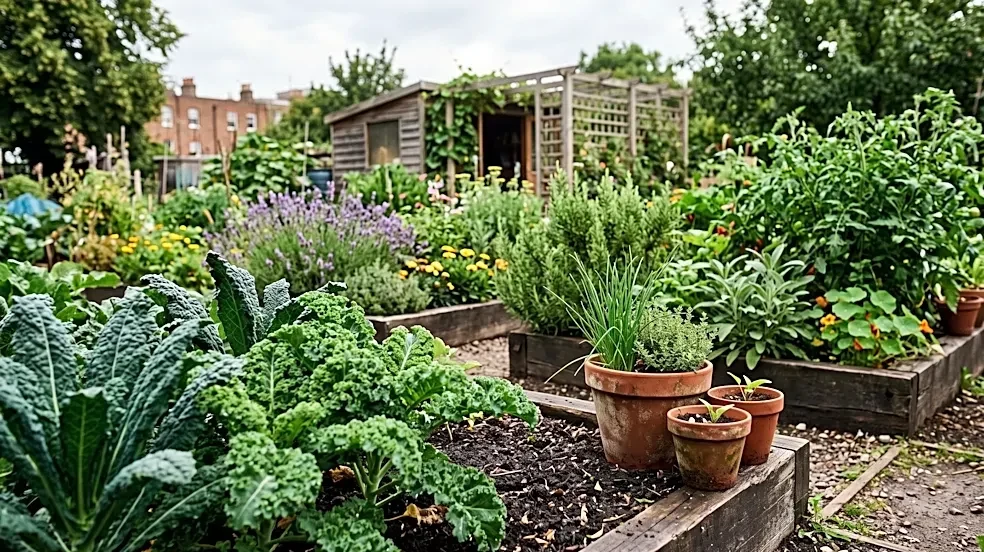
The potential loss of Plant & Soul California highlights the vulnerability of urban green spaces to real estate development and rising property costs in rapidly growing cities like San Jose. Urban gardens provide significant ecological, psychological, and nutritional benefits to communities. They help counteract the urban heat island effect by lowering ambient temperatures through evapotranspiration, create vital habitat corridors for beneficial insects, and reduce carbon emissions associated with industrial food systems by promoting local food growth. For individuals, gardening offers a calming escape, reduces stress, and builds patience and a sense of achievement. The eviction of a decades-old garden could mean the loss of a valuable community asset that offers youth education programs, art classes, and a space for community gatherings, as well as a demonstration of California native plants. This situation underscores the ongoing challenge for non-profit organizations to secure and maintain physical spaces amidst commercial pressures, impacting community well-being and environmental sustainability efforts.
What's Next?
Plant & Soul California is actively seeking community support, including donations from residents, foundations, or angel investors, to raise the necessary $2.5 million to either purchase the current property or fund a relocation. If the current sale proceeds and they cannot acquire the land, the organization plans to seek a new location to re-establish the garden. San Jose Opera's Chief Operating Officer, Paige Sweetin, has offered a potential relocation site at the historic home of the opera's founder, Irene Dalis, on the outskirts of downtown San Jose, envisioning it as a community garden. However, the opera company lacks the resources to run a community garden independently and would seek partnerships. If Plant & Soul California secures funding and the current sale falls through, board member Jessicka “Joosey” Chamberlin envisions creating a zero-waste store selling locally grown produce and products. The immediate future hinges on the success of their fundraising efforts and the outcome of the property's escrow.
Beyond the Headlines
The situation with Plant & Soul California reflects a broader tension between urban development and the preservation of community-oriented green spaces. As cities expand, the economic value of land often outweighs its social and environmental contributions, leading to the displacement of initiatives like urban gardens. This incident raises questions about the long-term sustainability of urban agriculture and community-led environmental projects in high-cost urban environments. It also highlights the need for innovative solutions, such as community land trusts or dedicated public funding, to protect these vital spaces. The potential loss of such a garden could diminish biodiversity, reduce access to fresh produce for local residents, and remove a crucial educational and social hub. The narrative underscores the importance of community activism and philanthropic support in safeguarding spaces that foster connection to nature, promote sustainable living, and enhance the quality of urban life.