




What's Happening?
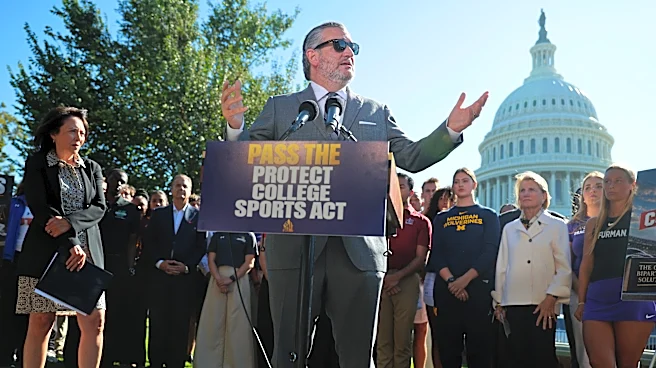
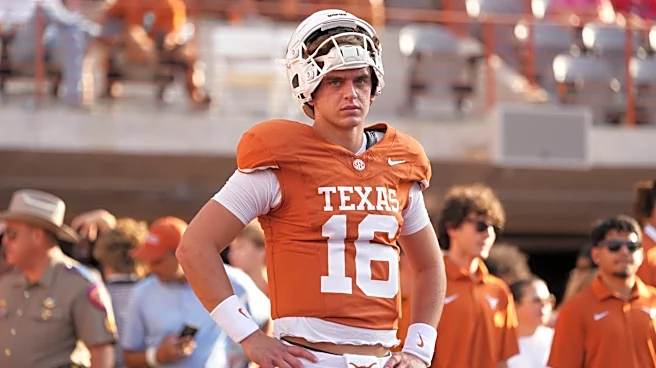
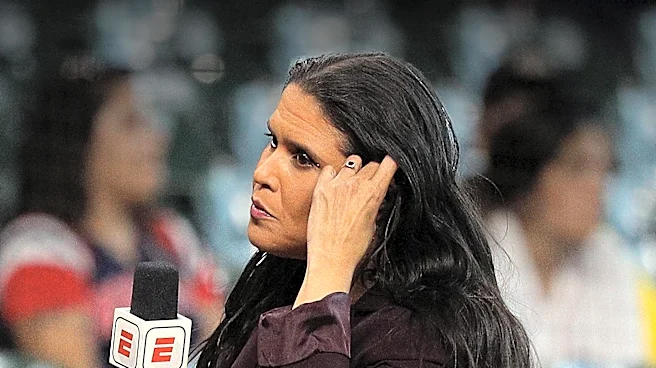
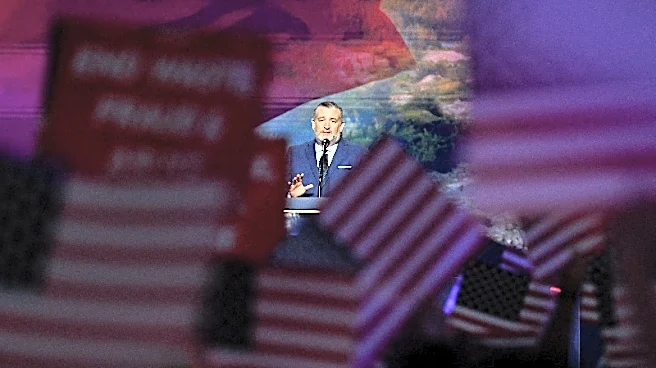
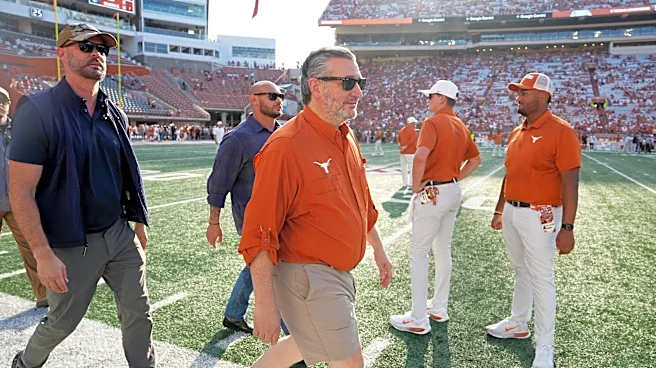
ESPN has faced significant criticism for providing Senator Ted Cruz (R-Texas) unopposed airtime to discuss the 'Protect College Sports Act' during its 'College GameDay' program. The segment, which was reportedly longer than an interview with Texas coach
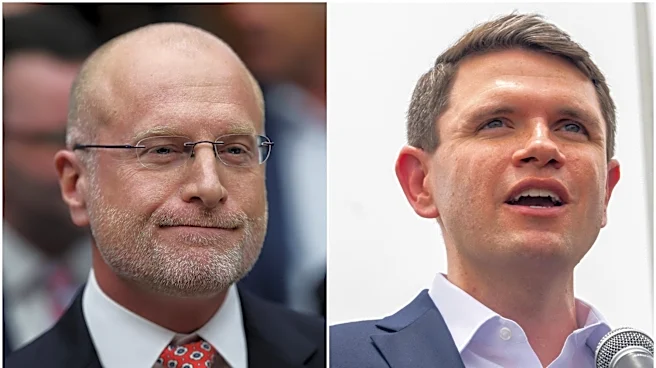
Steve Sarkisian, allowed Senator Cruz to advocate for the bill without a dissenting voice. According to an unnamed ESPN source cited by The Athletic, Senator Cruz expressed interest in joining the show, and ESPN considered it an 'easy decision' due to the timeliness and relevance of the issue. ESPN's explanation for the lack of opposition was that it received no requests from anyone representing the opposing viewpoint. This has led to accusations that ESPN failed to provide a balanced presentation, despite 'equal time' not being a legal requirement in this context, as noted by FCC chairman Brendan Carr. The NAACP has since requested that its president, Derrick Johnson, be given an opportunity to respond on a future 'College GameDay' broadcast.
Why It's Important?
This incident is important because it highlights the delicate balance media organizations, particularly sports broadcasters, must maintain when venturing into political discourse. ESPN's decision to grant unopposed airtime to a political figure discussing a legislative bill, especially one that its parent company is reportedly lobbying for, raises questions about journalistic impartiality and editorial judgment. The criticism suggests that ESPN may have compromised its perceived neutrality, potentially alienating segments of its audience who expect sports programming to remain apolitical or, at minimum, present balanced viewpoints on controversial topics. The 'Protect College Sports Act' itself is a significant piece of legislation that could impact the financial rights and opportunities of college athletes, making the debate surrounding it highly relevant to the sports community. The lack of an opposing perspective on such a critical issue can be seen as a disservice to viewers who rely on media for comprehensive information, potentially influencing public opinion without full context.
What's Next?
In the immediate future, ESPN is likely to face continued pressure and requests from various groups seeking to present opposing viewpoints on the 'Protect College Sports Act.' The NAACP's request for its president, Derrick Johnson, to appear on 'College GameDay' is a direct consequence of the unopposed segment, and ESPN will need to decide how to address such demands to mitigate further criticism. The network may choose to offer airtime to those with differing opinions to demonstrate a commitment to balanced reporting, or it might attempt to clarify its editorial policies regarding political discussions. This situation could also prompt internal discussions at ESPN and its parent company about the appropriate role of sports media in political advocacy and the standards for presenting controversial legislative topics. The broader debate around the 'Protect College Sports Act' will continue, with ESPN's coverage now under increased scrutiny from both the public and stakeholders in college sports.
Beyond the Headlines
This event delves into the complex intersection of sports, media, and politics, revealing deeper implications for how sports networks navigate their influence and responsibilities. The criticism leveled against ESPN underscores a growing expectation from the public for media outlets, regardless of their primary focus, to uphold principles of fairness and balance, especially when engaging with legislative matters that have significant societal impact. The 'Protect College Sports Act' itself touches upon fundamental issues of athlete compensation, economic rights, and the commercialization of college sports, which are highly contentious. By providing a platform for one side without immediate counter-argument, ESPN inadvertently became a participant in the political debate, rather than a neutral observer. This incident could contribute to a broader re-evaluation within the sports media industry regarding the boundaries of political commentary and advocacy, particularly as the financial stakes in college athletics continue to rise and legislative efforts to regulate them intensify. It also highlights the power of media platforms to shape public discourse and the ethical considerations that come with that power.