








What's Happening?
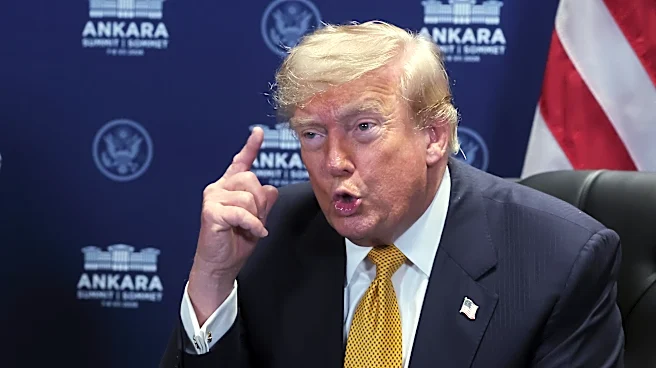
President Trump has been promoting a new initiative called the 'Freedom Fuel Network,' which consists of 25 gas stations in Pennsylvania and New Jersey offering gasoline at a reduced price of $3.47 per gallon. This initiative is part of an effort to provide
relief to consumers facing rising gas prices. However, the details surrounding the ownership and financial backing of the network remain unclear. The White House has clarified that it is not involved with the company and has not provided any subsidies for the gas prices. Despite the initial low prices, some stations have already increased their prices, raising questions about the sustainability of such pricing given the current oil market conditions.
Why It's Important?
The introduction of the 'Freedom Fuel Network' comes at a time when national gas prices are on the rise, posing a significant challenge for the White House, especially with midterm elections approaching. The initiative is seen as an attempt to alleviate public discontent over fuel costs, which have been influenced by global events such as Ukrainian attacks on Russian oil refineries and developments in the Middle East. While the network offers temporary relief, experts are skeptical about its long-term viability, as selling gas at the advertised price could result in financial losses. This situation highlights the broader economic pressures and political stakes involved in managing energy prices.
What's Next?
The future of the 'Freedom Fuel Network' remains uncertain, with potential implications for both the gas stations involved and the broader political landscape. If the network fails to maintain its low prices, it could undermine the administration's efforts to gain public support. Additionally, the lack of transparency regarding the network's operations may lead to increased scrutiny from both the media and political opponents. Stakeholders, including consumers and political leaders, will likely continue to monitor the situation closely, as any significant changes in gas prices could impact voter sentiment and economic stability.