



What's Happening?
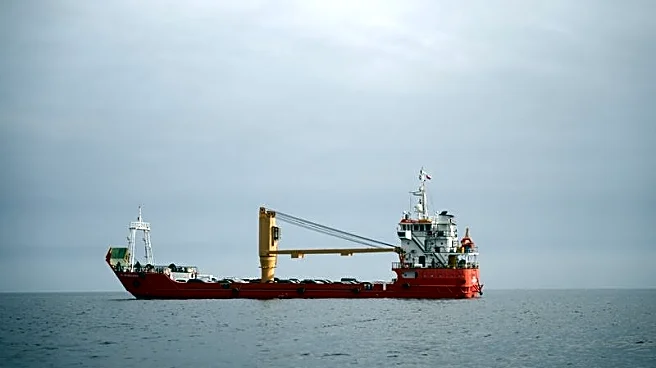
The U.S. Navy is set to initiate a blockade of Iranian ports following the breakdown of peace talks between the United States and Iran. This decision comes after failed negotiations aimed at ending the ongoing conflict, which had temporarily been under
a fragile two-week ceasefire. The blockade is scheduled to begin at 10 a.m. ET on Monday, as announced by the U.S. Central Command. The move has led to a strengthening of the U.S. dollar, which is often seen as a safe-haven currency during geopolitical tensions. The dollar's rise comes amid a backdrop of fluctuating global currencies, with the euro and British pound experiencing slight declines. Additionally, crude oil prices have surged, with Brent crude futures climbing above $101 per barrel.
Why It's Important?
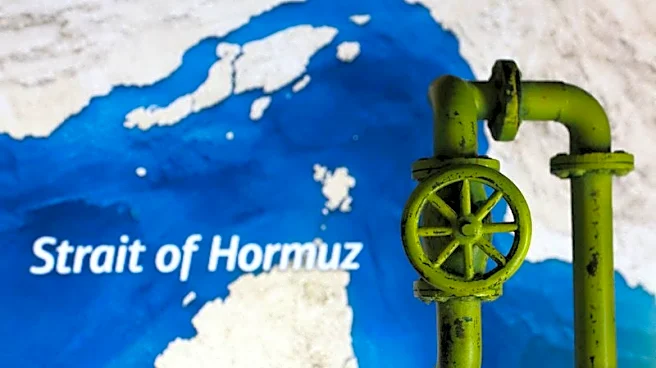
The blockade of Iranian ports by the U.S. Navy marks a significant escalation in the geopolitical tensions between the two nations. This action could have far-reaching implications for global oil markets, as Iran is a major oil producer, and any disruption in its oil exports could lead to increased volatility in oil prices. The strengthening of the U.S. dollar highlights its role as a safe-haven asset during times of international conflict, potentially impacting global trade and investment flows. Furthermore, the blockade may strain U.S. relations with other countries that rely on Iranian oil, potentially leading to broader diplomatic challenges.
What's Next?
The immediate consequence of the blockade will likely be increased tensions in the Gulf region, with potential retaliatory actions from Iran. The international community, including major oil-importing nations, may call for diplomatic interventions to de-escalate the situation. Additionally, the U.S. government may face domestic and international pressure to justify the blockade and its potential impact on global oil supply and prices. Monitoring the response from Iran and other stakeholders will be crucial in assessing the future trajectory of this conflict.