

What's Happening?
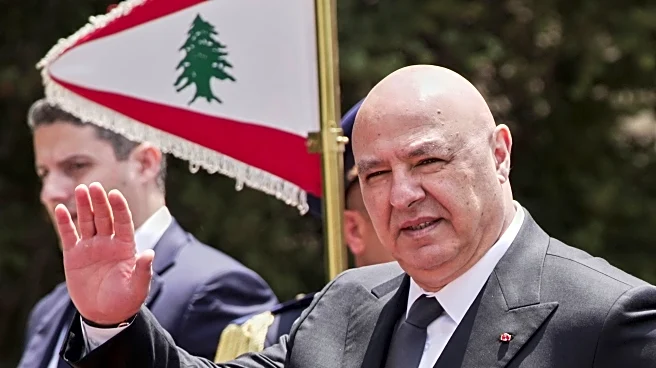
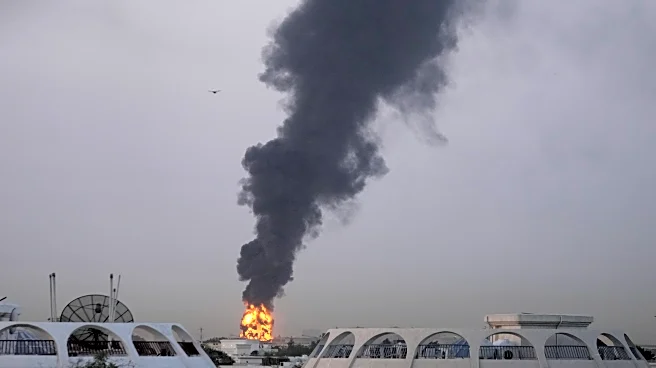
Lebanon has proposed direct negotiations with Israel for the first time in decades, amidst ongoing conflict involving airstrikes and military advances by Israel against Hezbollah. The Lebanese government, led by President Joseph Aoun, has expressed a desire
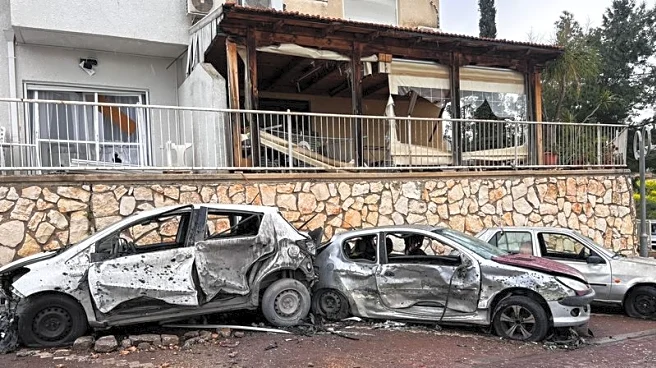
to end the fighting before engaging in talks. This proposal comes as Hezbollah, backed by Iran, has intensified its military actions against Israel, leading to significant casualties and displacement in Lebanon. The Lebanese government has also shown support for disarming Hezbollah, a demand long held by Israel and the United States. However, the situation remains tense as Israel threatens further military action, and the United States has not shown interest in mediating the conflict.
Why It's Important?
The proposal for direct talks marks a significant shift in Lebanon's diplomatic stance, potentially opening a new chapter in Middle Eastern diplomacy. The conflict has severe humanitarian implications, with over a million people displaced in Lebanon. The Lebanese government's willingness to disarm Hezbollah could alter the power dynamics in the region, affecting Iran's influence and Israel's security strategy. However, the lack of U.S. mediation and Israel's military posture suggest that achieving peace may be challenging. The outcome of these developments could impact regional stability and international relations, particularly involving key players like the U.S., Iran, and Israel.
What's Next?
If Lebanon and Israel proceed with talks, it could lead to a de-escalation of military actions and a potential peace agreement. However, Israel's current military operations and Hezbollah's resistance pose significant obstacles. The international community, including countries like France and Germany, may play a role in facilitating dialogue and providing humanitarian aid. The Lebanese government's ability to manage internal political dynamics and external pressures will be crucial in determining the success of any negotiations.