





What's Happening?
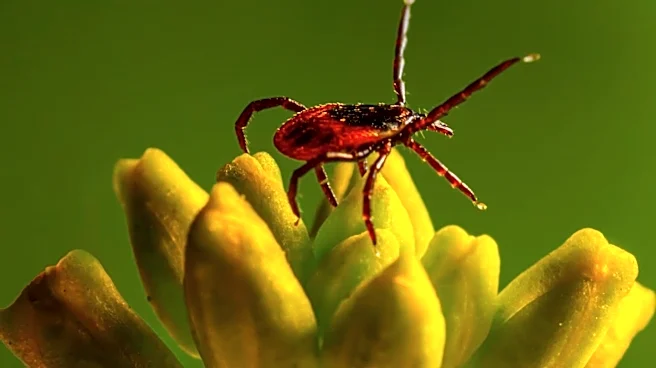
Tick-borne diseases are on the rise in the United States due to the expansion of tick species into new regions and the coexistence of multiple tick species in single areas. The blacklegged tick, lone star tick, and Gulf Coast tick have all expanded their
geographic ranges, with every state in the contiguous U.S. now hosting at least two medically significant tick species. This expansion increases the risk of exposure to tick-borne diseases such as Lyme disease, babesiosis, and anaplasmosis. The increase in tick populations is attributed to ecological advantages and insufficient public health responses. Ticks are found in various environments, including wooded areas, fields, and residential yards, and can be active at different times of the year.
Why It's Important?
The rise in tick-borne diseases poses significant public health challenges in the U.S. as these diseases can lead to severe health issues if not diagnosed and treated promptly. The expansion of tick habitats increases the risk of human exposure, making it crucial for public health systems to enhance prevention and control measures. The economic impact is also notable, as healthcare costs associated with treating tick-borne diseases can be substantial. Additionally, the presence of multiple pathogens in ticks raises the risk of co-infections, complicating diagnosis and treatment. This situation underscores the need for comprehensive public health strategies and community-level interventions to manage tick populations and reduce disease transmission.
What's Next?
Efforts to control tick populations and reduce the incidence of tick-borne diseases will likely involve a combination of personal protective measures, community-level interventions, and enhanced public health surveillance. Research into more effective prevention and control strategies, including potential vaccines, is essential. Public education campaigns to raise awareness about tick-borne diseases and prevention methods will be crucial in mitigating the impact of these diseases. Collaboration between public health authorities, researchers, and communities will be necessary to develop and implement effective strategies to address this growing public health concern.
Beyond the Headlines
The increasing prevalence of tick-borne diseases highlights broader ecological and public health challenges, including the impact of climate change on tick habitats and the need for integrated pest management strategies. The situation also raises ethical considerations regarding the balance between wildlife conservation and public health. As ticks continue to expand into new areas, there may be long-term shifts in public health priorities and resource allocation to address the growing burden of tick-borne diseases.