






What's Happening?
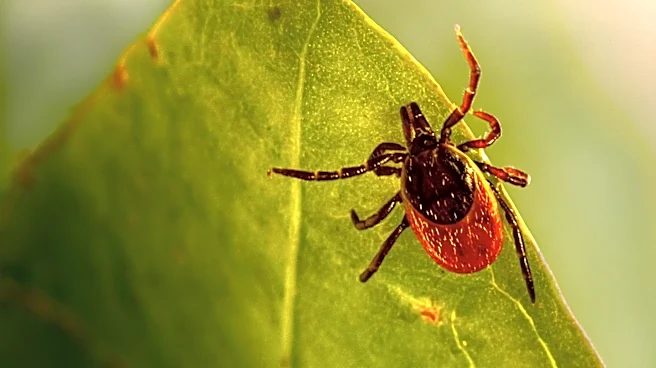
As autumn nears, Pennsylvania is experiencing a rise in tick activity, leading to heightened concerns about tick-borne illnesses such as Lyme disease and anaplasmosis. Adult ticks become more active in the fall, and there's a risk of co-infection, where
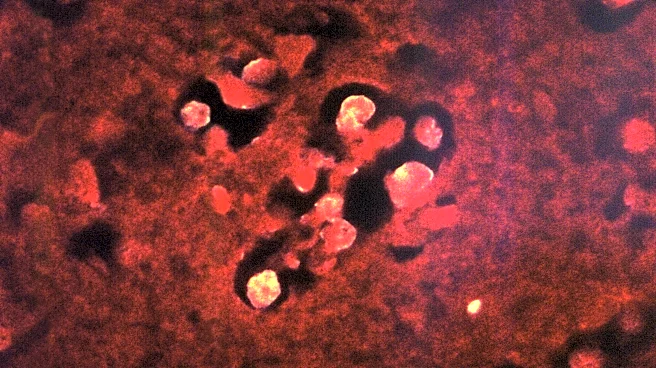
individuals contract both Lyme disease and anaplasmosis from a single tick bite. While both infections respond to the same antibiotic, doxycycline, co-infections can lead to more intense symptoms. The Centers for Disease Control and Prevention (CDC) reports an increase in black-legged deer tick migration across the country. Early symptoms of anaplasmosis include fever, chills, severe headache, muscle aches, nausea, vomiting, diarrhea, and loss of appetite, potentially progressing to respiratory failure, bleeding problems, organ failure, or death if untreated. Lyme disease typically presents with fever, chills, headaches, muscle and joint pain, swollen lymph nodes, and a characteristic bull's-eye rash. Although reported Lyme disease cases in Pennsylvania are lower this year compared to previous years, ticks remain a significant risk, according to Leah Lind, Lyme and tick-borne diseases coordinator at the Pennsylvania Department of Health.
Why It's Important?
The increased tick activity and the potential for co-infections in Pennsylvania highlight a significant public health challenge. The difficulty in identifying anaplasmosis when it co-occurs with Lyme disease, due to similar treatment protocols, means that the true prevalence of anaplasmosis may be underestimated. This lack of accurate data can hinder research efforts and public health strategies aimed at controlling these diseases. The migration of black-legged deer ticks to new areas, as noted by the CDC, suggests a broader geographical spread of tick-borne risks, impacting more communities. The severe health consequences of untreated anaplasmosis, ranging from respiratory failure to organ failure and death, underscore the critical need for public awareness, preventive measures, and prompt medical attention. Furthermore, the ongoing development of a Lyme disease vaccine by Pfizer and Valneva, with potential availability in 2027, signifies a long-term effort to mitigate this growing health threat, but immediate protective actions remain crucial.
What's Next?
Public health officials and medical professionals will continue to monitor tick activity and reported cases of tick-borne illnesses in Pennsylvania. Efforts will likely focus on educating the public about preventive measures, such as treating clothing with permethrin, wearing protective clothing, and performing thorough tick checks after outdoor activities. The development of a Lyme disease vaccine by Pfizer and Valneva is in phase three testing, with a potential public release in 2027, offering a future preventative tool. In the interim, research into oral vaccines for mice, aimed at preventing the spread of Borrelia, the bacteria causing Lyme disease, at its source, is ongoing. Individuals are advised to take immediate steps if a tick is found, including proper removal and monitoring for symptoms, as misdiagnosing co-infections can have implications for understanding disease epidemiology. The focus will remain on early detection and treatment to prevent severe health outcomes.
Beyond the Headlines
The persistent threat of tick-borne diseases like Lyme and anaplasmosis extends beyond immediate health concerns, touching upon ecological and societal dimensions. The increasing activity and geographical spread of ticks can be linked to environmental factors, including climate change and changes in wildlife populations, which influence tick habitats and host availability. This ecological shift necessitates a broader approach to public health, integrating environmental management with disease prevention. The challenge of accurately diagnosing co-infections also raises questions about the limitations of current diagnostic methods and the need for more comprehensive testing protocols. Ethically, the availability of a Lyme disease vaccine in the future will bring discussions about equitable access and public health mandates. Culturally, there's a need to normalize tick prevention as a routine part of outdoor life, similar to sun protection, to foster a proactive public health mindset. The long-term impact on outdoor recreation and tourism in affected regions could also be significant, prompting a reevaluation of how public spaces are managed and enjoyed.