
What's Happening?
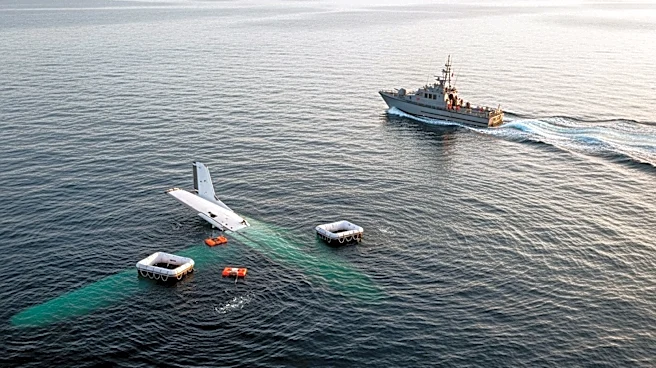
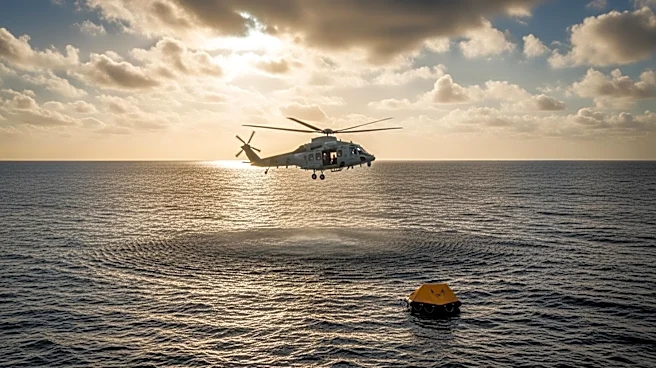
Ian Nixon, a Bahamian pilot, successfully crash-landed a small plane in the Atlantic Ocean after losing both engines and communication systems. The incident occurred about 50 nautical miles off the east
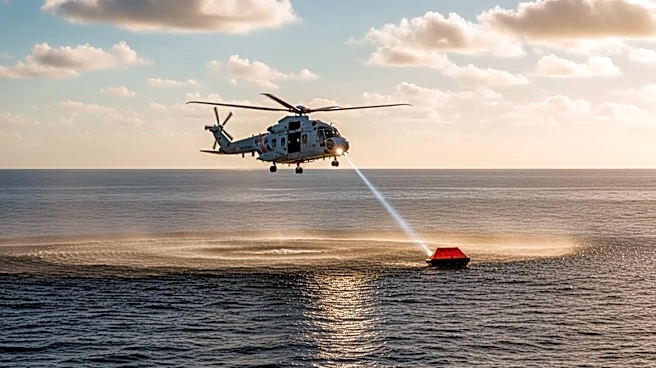
coast of Florida. Nixon and 10 passengers were rescued by the U.S. Air Force's 920th Rescue Wing after floating on a life raft for hours. Despite the harrowing experience, all passengers survived with only minor injuries. The Bahamian authorities are investigating the cause of the crash, which occurred during a routine flight between islands in the Bahamas.
Why It's Important?
This incident highlights the critical role of pilot skill and emergency preparedness in ensuring passenger safety during aviation emergencies. Nixon's actions prevented a potential tragedy, demonstrating the importance of training and quick decision-making in crisis situations. The successful rescue operation by the U.S. Air Force underscores the effectiveness of coordinated search and rescue efforts. The event may prompt discussions on enhancing safety measures and emergency protocols for small aircraft operations, particularly in remote or over-water flights.
What's Next?
The investigation by Bahamian authorities will seek to determine the cause of the engine failures and communication loss. Findings could lead to recommendations for improving aircraft maintenance and safety checks. The aviation community may also review current emergency training programs for pilots operating in similar conditions. Additionally, the incident could influence regulatory bodies to consider new guidelines for over-water flights to enhance passenger safety.