
What's Happening?
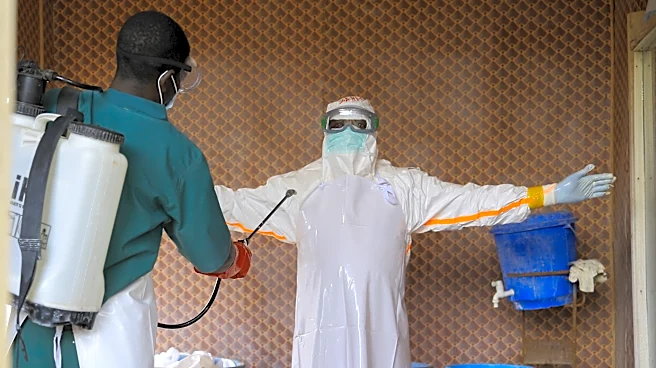
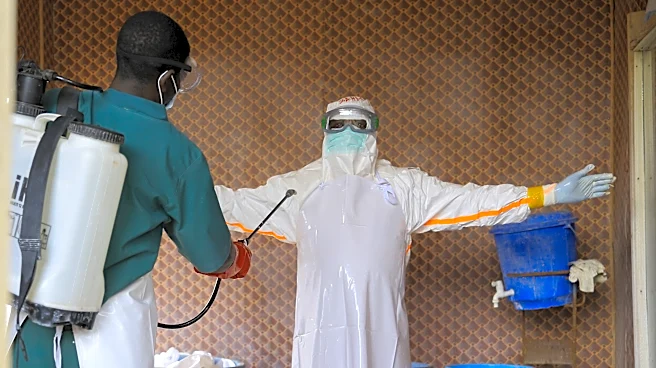
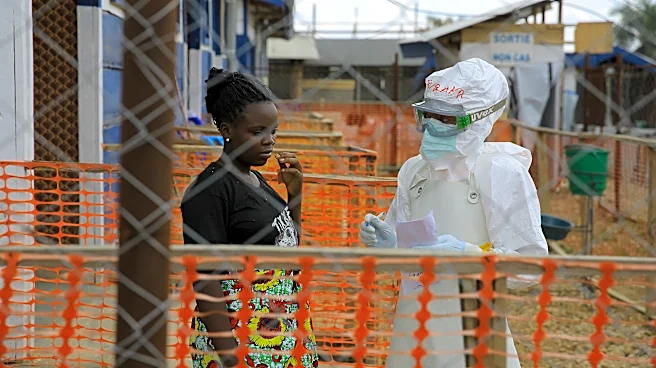
Zambia is significantly strengthening its capacity to respond to health emergencies through a new training initiative supported by the World Health Organization (WHO). Over 60 Zambian health professionals
are undergoing intensive training to rapidly address health crises and provide timely assistance to affected communities. This program marks Zambia as the 32nd country in the African Region to implement such training, contributing to a broader regional effort to establish a skilled emergency workforce capable of swift deployment. The training is part of the AVoHC-SURGE initiative, which integrates the Africa Centres for Disease Control and Prevention’s African Volunteer Health Corps with WHO’s Strengthening and Utilizing Response Groups for Emergencies program. This collaboration aims to develop multidisciplinary teams that can be mobilized within 24 to 48 hours, thereby reinforcing national capabilities and facilitating cross-border support. The initiative is funded by the Foreign, Commonwealth & Development Office (FCDO) and connects workforce development with essential coordination systems for threat assessment, priority setting, and response operations.
Why It's Important?
This initiative is crucial for Zambia and the wider African region as it directly addresses the critical need for rapid and effective responses to health emergencies. Delays in responding to outbreaks can lead to rapid disease spread, disruption of essential health services, and a lack of timely care for affected populations. By building a robust, skilled emergency workforce, Zambia can mitigate these risks, protecting its citizens and contributing to regional health security. The ability to deploy multidisciplinary teams within 24 to 48 hours significantly reduces the window for outbreaks to escalate, thereby saving lives and preserving public health infrastructure. Furthermore, the program's emphasis on coordination systems ensures that trained personnel can operate effectively, making informed decisions and efficiently allocating resources during crises. This proactive approach not only enhances Zambia's national resilience but also fosters a collaborative framework for health security across borders, benefiting neighboring countries through mutual support and shared expertise.
What's Next?
Following the current training, the immediate priority for Zambia is to maintain an active roster of trained responders and conduct regular simulation exercises. These exercises will test the mobilization and support mechanisms for emergency teams, ensuring operational readiness for future deployments within the critical 24 to 48-hour window. The training also advances Zambia’s national SURGE roadmap, which was developed earlier this year with input from government agencies, emergency response organizations, academia, and partners. This roadmap prioritizes the establishment of stronger public health emergency operations centers (PHEOCs) at both national and provincial levels, the development of reliable supply chains, and improved deployment processes. WHO, in collaboration with Africa CDC and other partners, will continue to support the implementation of this roadmap through ongoing training, system testing, and readiness verification, focusing on both the skills of responders and the operational arrangements necessary for their effective utilization.
Beyond the Headlines
The AVoHC-SURGE initiative represents a deeper strategic shift towards proactive and integrated health emergency management in Africa. Beyond the immediate benefits of rapid response, this program fosters a culture of preparedness and inter-agency cooperation that is vital for long-term public health security. By developing multidisciplinary teams and robust coordination systems, Zambia is not just reacting to crises but building a sustainable framework for health resilience. This approach also highlights the ethical imperative of ensuring equitable access to timely care during emergencies, particularly in vulnerable communities. The emphasis on cross-border support underscores the interconnectedness of global health, recognizing that an outbreak in one country can quickly become a regional or international threat. This initiative serves as a model for other nations, demonstrating how strategic investment in human capital and operational infrastructure can significantly enhance a country's ability to protect its population from diverse health threats, ranging from infectious diseases to other public health crises.