



What's Happening?
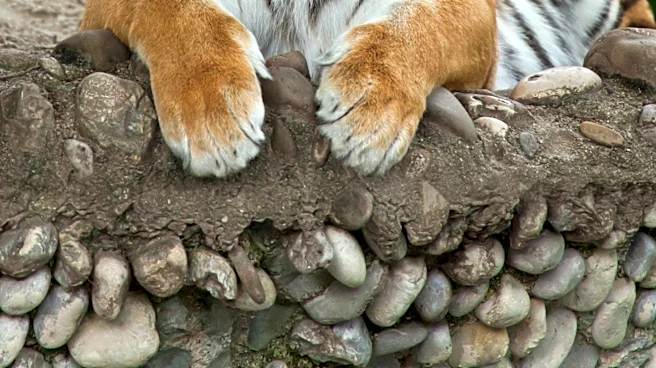
Kazakhstan has reintroduced Amur tigers into the wild, marking the return of the species after a 70-year absence. This initiative follows extensive habitat restoration and prey population recovery efforts. The reintroduction aims to restore the ecological
balance in the region, which lost its native Caspian tigers due to hunting and habitat destruction. The project involves a comprehensive conflict-prevention system to ensure coexistence between tigers and local communities.
Why It's Important?
The reintroduction of tigers in Kazakhstan is a significant conservation milestone, aiming to restore an apex predator to its historic range. This effort highlights the importance of biodiversity and ecosystem restoration in combating the effects of human expansion and environmental degradation. Successful reintroduction can serve as a model for other regions seeking to restore native species and balance ecosystems. It also underscores the need for international collaboration in wildlife conservation.
What's Next?
The success of the reintroduction will depend on ongoing monitoring and management efforts. Authorities will continue to assess the tigers' adaptation to the wild and their interactions with local communities. The project includes plans for further releases and habitat management to support a sustainable tiger population. Long-term success will require continued international support and local engagement to prevent human-wildlife conflicts and ensure the protection of the restored ecosystem.