








What's Happening?
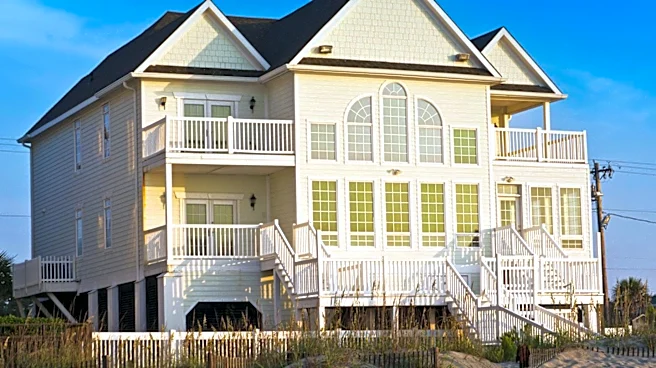
A Cape Cod home, purchased for $5.5 million and financed with a $3.85 million mortgage, is at the center of a legal dispute after being demolished due to severe erosion. The homeowner, John G. Bonomi Jr., is challenging the mortgage, claiming he lacked
the mental capacity to enter the agreement and that the loan was unconscionable. The property, located on a rapidly eroding bluff, was deemed 'endangered' prior to purchase. JPMorganChase, the lender, denies any wrongdoing, asserting compliance with commercial standards.
Why It's Important?
This case highlights the complexities and potential pitfalls in mortgage lending for properties in environmentally vulnerable areas. It underscores the need for thorough risk assessments and appraisals that account for environmental hazards. The outcome could influence future lending practices and regulatory standards, particularly for coastal properties facing similar risks. The case also raises broader questions about the sustainability of real estate investments in areas prone to natural erosion and climate change impacts.
What's Next?
The legal proceedings will determine the validity of Bonomi's claims and could set a precedent for how lenders assess and manage environmental risks in mortgage agreements. The case may prompt lenders to reevaluate their appraisal processes and risk management strategies for properties in high-risk areas. Additionally, regulatory bodies might consider implementing stricter guidelines to ensure that environmental hazards are adequately addressed in mortgage lending practices.
Beyond the Headlines
The situation reflects broader challenges in balancing real estate development with environmental conservation. As coastal erosion continues to threaten properties, there is a growing need for policies that protect both homeowners and natural ecosystems. This case could catalyze discussions on sustainable development and the role of insurance and financial institutions in mitigating environmental risks.