






What's Happening?
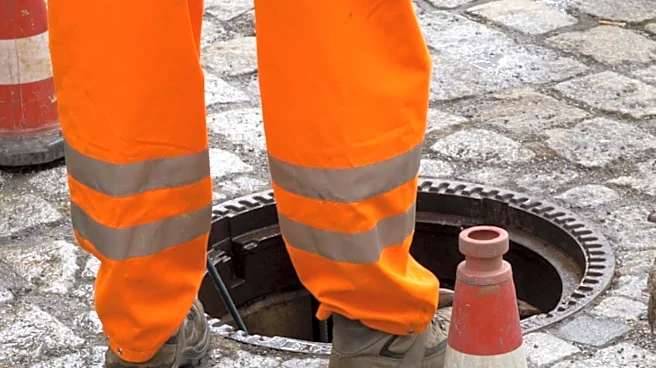
The City of Paris, Texas, has commenced the second phase of a multi-year initiative to inventory water service lines, mandated by the Environmental Protection Agency (EPA). This phase involves crews inspecting service lines to identify materials used
in connections. The primary goal of this EPA program is to locate and eventually remove all drinking water lines that are made of, or contain parts of, galvanized metal or lead. Service lines are defined as the pipes connecting a water main to the water meter and from the meter to a property. The city is responsible for the section from the water main to the meter, while property owners are responsible for the line from the meter to their structure. The city will be mailing letters to customers whose service lines have been identified as containing galvanized metal or whose materials are currently unknown. To date, any galvanized materials found have been on the property owner's side of the connection, and no lead-based parts have been discovered during the inventory. However, galvanized metal can absorb lead if it was previously connected to lead-based pipes, which were used in systems before the EPA banned new lead-based materials in 1986.
Why It's Important?
This initiative is crucial for public health and safety in Paris, Texas, as it directly addresses the potential presence of lead in drinking water infrastructure. Lead contamination, even at low levels, can have serious health consequences, particularly for children and pregnant women. By identifying and removing lead and galvanized pipes that may have absorbed lead, the city is taking proactive steps to ensure safer drinking water for its residents. The EPA mandate underscores a national effort to upgrade aging water infrastructure and mitigate health risks associated with legacy plumbing materials. For property owners, receiving a letter about galvanized lines means they may need to consult a licensed plumber for potential replacement, incurring costs. This highlights the shared responsibility between municipalities and property owners in maintaining safe water systems. The transparency of the city's communication, including a dedicated webpage, is vital for informing residents and facilitating compliance with health standards.
What's Next?
The City of Paris will continue its inventory process, with further inspections planned for lines with unknown materials. Customers who receive letters indicating galvanized material in their service lines are strongly encouraged to contact a licensed plumber to discuss the situation and potential replacement options. For those receiving notices about unknown materials, it signifies that their service line is slated for future inspection. The city has established a dedicated webpage, www.ParisTexas.gov/ServiceLine, to provide additional information and resources regarding the service line inventory process. This ongoing effort will likely involve continued communication with residents, potential financial implications for property owners needing to replace their lines, and a long-term commitment to upgrading the city's water infrastructure to meet federal safety standards.