



What's Happening?
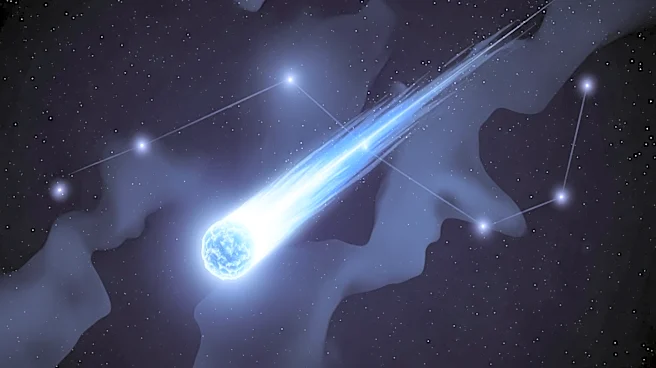
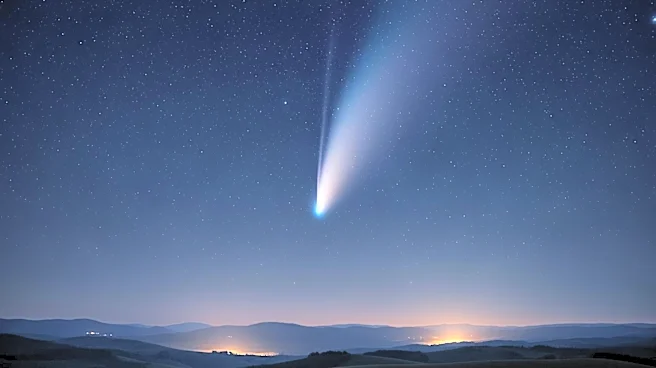
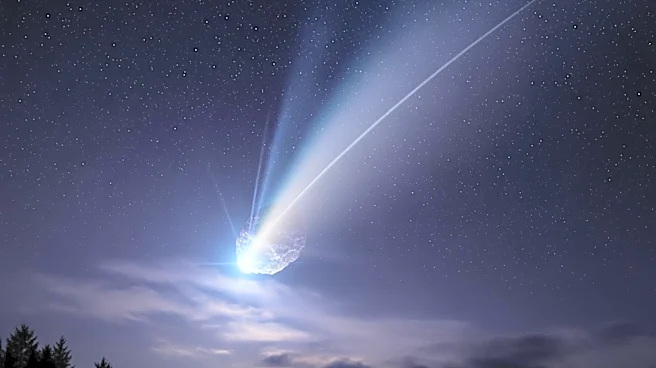
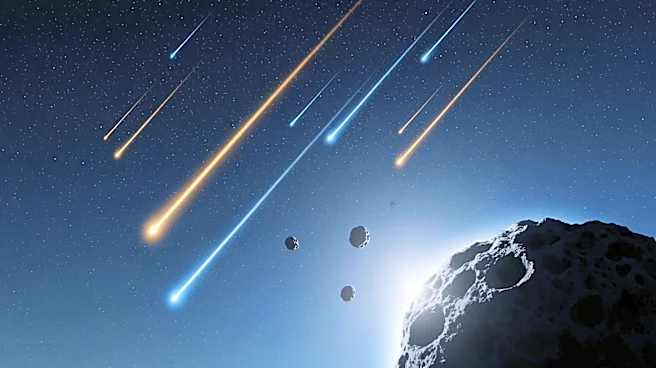
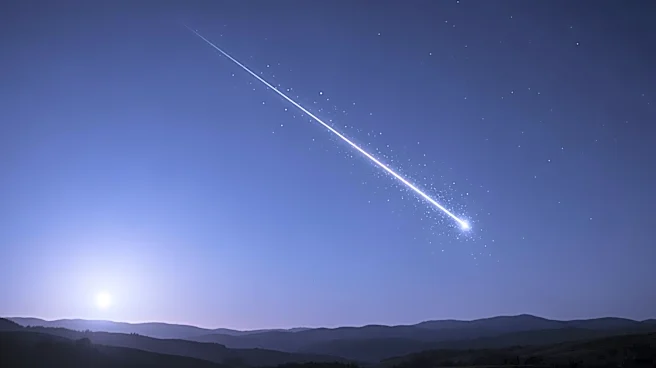
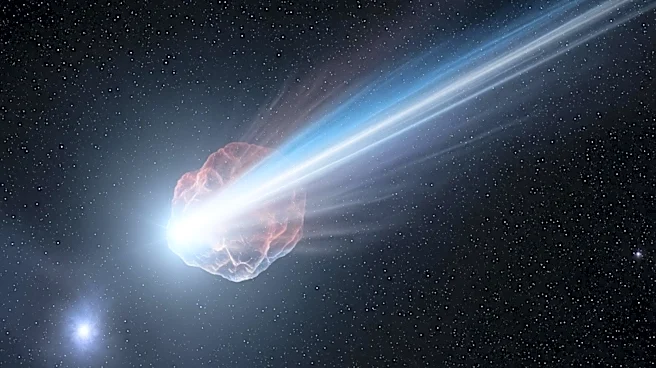
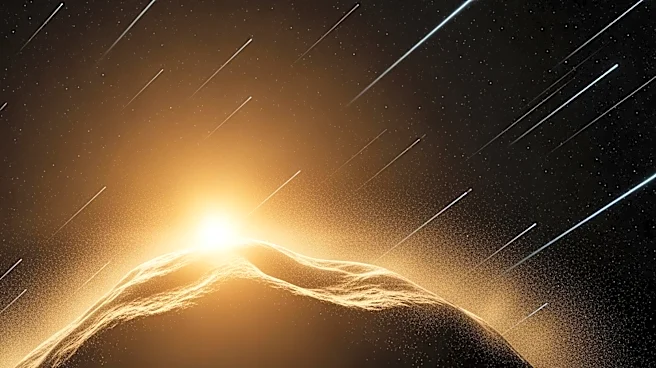
The Lyrid meteor shower, one of the most reliable meteor displays of the year, is set to light up the night skies from April 15 to April 29. The shower is caused by debris from Comet Thatcher, which enters Earth's atmosphere at high speeds, creating bright
streaks of light. The peak viewing period is expected from April 21 to April 23, during which observers can expect to see 10 to 20 meteors per hour under ideal conditions. The best viewing time is around 2 a.m., when the moon has set and the skies are darkest. This year, a waxing crescent moon will not significantly impact visibility.
Why It's Important?
The Lyrid meteor shower provides an accessible and awe-inspiring opportunity for people to connect with the natural world and the broader universe. It is a chance for amateur astronomers and the general public to engage with astronomy without the need for specialized equipment. The event also serves as an educational moment, highlighting the ongoing interactions between Earth and celestial bodies. For many, witnessing a meteor shower can be a profound experience that fosters a greater appreciation for science and the cosmos.
What's Next?
Skywatchers are advised to find a dark, open area away from city lights to view the meteor shower. Allowing time for eyes to adjust to the darkness will enhance the viewing experience. The Lyrids can be seen from anywhere in the sky, although their radiant point is near the constellation Lyra. Observers should be prepared for the possibility of seeing fireballs, which are particularly bright meteors. The shower offers several nights of viewing opportunities, even outside the peak period, making it accessible to a wide audience.