






What's Happening?
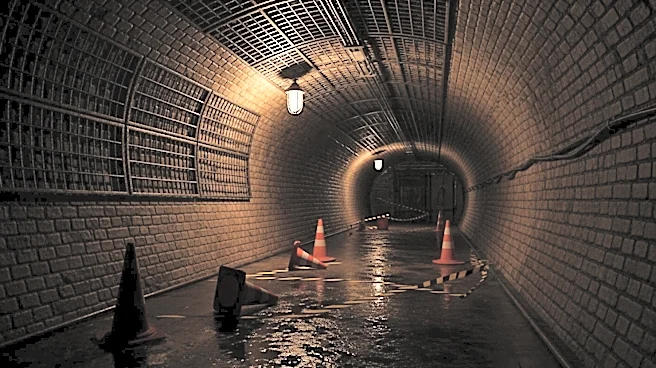
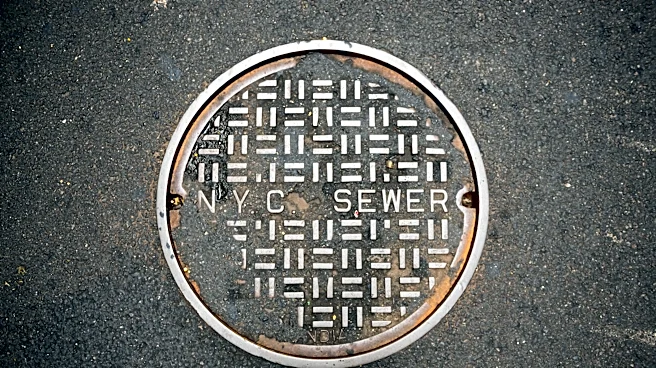
Recent surveillance footage has captured groups of individuals entering and exiting New York City's sewer system, sparking concerns about their intentions. These urban explorers, equipped with waterproof gear and tools, have been seen in Brooklyn and Queens.
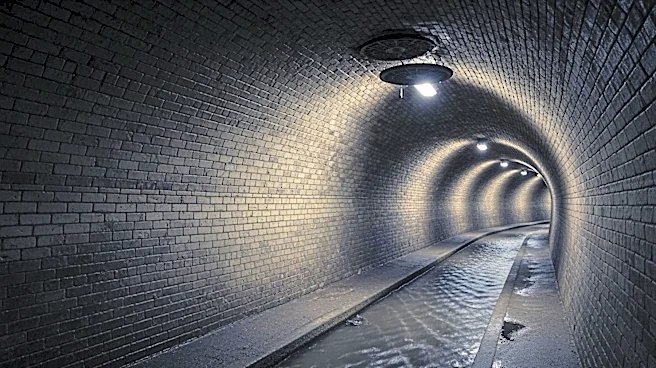
While police continue to investigate, they do not currently perceive a public threat. The explorers are believed to be traversing the city's historic sewer mains, which are remnants of old waterways. Despite the allure of these underground passages, they pose significant dangers, including exposure to pathogens and hazardous gases. The incidents have highlighted vulnerabilities in the city's infrastructure.
Why It's Important?
The activities of these urban explorers underscore potential security risks associated with critical infrastructure. Sewers, often depicted in media as escape routes or entry points for illicit activities, could be exploited for harmful purposes. The incidents raise questions about the adequacy of security measures and the need for increased monitoring of such access points. Additionally, the fascination with urban exploration reflects a cultural interest in rediscovering hidden aspects of urban environments, despite the inherent risks. This trend may prompt city officials to reassess safety protocols and public awareness campaigns regarding the dangers of unauthorized sewer exploration.
Beyond the Headlines
The phenomenon of urban exploration taps into a broader cultural curiosity about the unseen parts of cities. It challenges perceptions of urban spaces and encourages a re-examination of how cities evolve over time. The practice also raises ethical questions about the balance between adventure and safety, as well as the responsibilities of explorers to respect and preserve these historical sites. As urban exploration gains popularity, it may influence urban planning and heritage conservation efforts, prompting cities to consider how to safely integrate these interests into public policy.