




What's Happening?
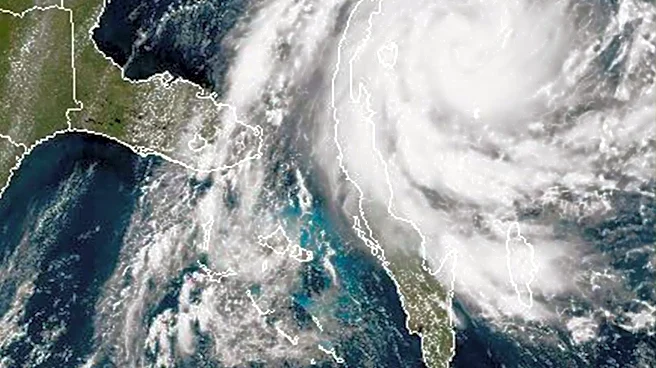
The U.S. Department of Agriculture (USDA) is providing a wide array of recovery programs to Florida farmers, ranchers, and livestock producers affected by Hurricane Isaias. This assistance is designed to help agricultural operations recover from various
damages, including crop losses, livestock deaths, damaged land, and destroyed infrastructure. Farm Production and Conservation Under Secretary Richard Fordyce urged impacted producers to contact their local USDA Service Center promptly to report damages and learn about available assistance. Key programs include the Livestock Indemnity Program (LIP) for livestock deaths, the Emergency Assistance for Livestock, Honeybees, and Farm-Raised Fish Program (ELAP) for feeding and grazing losses, and the Tree Assistance Program (TAP) for fruit growers and orchard operators. Additionally, financial support is available through USDA loan programs, and conservation programs like the Emergency Conservation Program (ECP) and Emergency Forest Restoration Program (EFRP) are offered to help restore land and repair infrastructure.
Why It's Important?
This comprehensive aid package from the USDA is vital for the recovery and long-term resilience of Florida's agricultural sector, which is frequently impacted by severe weather events. Hurricanes can devastate farms, leading to significant financial losses, disruption of food supply chains, and long-term environmental damage. By providing financial assistance, insurance protection, and conservation support, the USDA helps producers mitigate these impacts, rebuild their operations, and prepare for future challenges. The programs address a wide range of needs, from immediate livestock losses to long-term land rehabilitation, ensuring that farmers can maintain their livelihoods and continue contributing to the nation's food supply. This support is crucial for the economic stability of rural communities in Florida and for safeguarding the agricultural output of a key producing state.
What's Next?
Impacted producers are strongly encouraged to contact their local USDA Service Center as soon as possible to report losses and gather necessary documentation, such as farm records, herd inventories, receipts, and photographs of damages. Timely reporting is essential to meet program deadlines and access support efficiently. The Florida Natural Resources Conservation Service (NRCS) has extended application periods for programs like the Environmental Quality Incentives Program (EQIP) and the Conservation Stewardship Program (CSP) in eligible emergency areas, providing additional time for producers to seek conservation assistance. The USDA will continue to work with producers and communities to explore available recovery resources, aiming to help Florida agriculture rebuild and enhance its preparedness for future natural disasters. The effectiveness of these programs will be continuously monitored to ensure they meet the evolving needs of the agricultural community.
Beyond the Headlines
The USDA's proactive response to Hurricane Isaias highlights the increasing importance of disaster preparedness and recovery in the face of more frequent and intense weather events linked to climate change. This aid package not only helps individual farmers but also contributes to the broader goal of national food security by ensuring the continuity of agricultural production. The emphasis on conservation programs, alongside financial aid, reflects a growing understanding of the need for sustainable land management practices that can enhance resilience to natural disasters. This integrated approach underscores a shift towards long-term solutions that combine immediate relief with strategies for environmental protection and climate adaptation. The USDA's efforts serve as a critical safety net for the agricultural community, demonstrating the government's commitment to supporting a vital sector of the U.S. economy.