



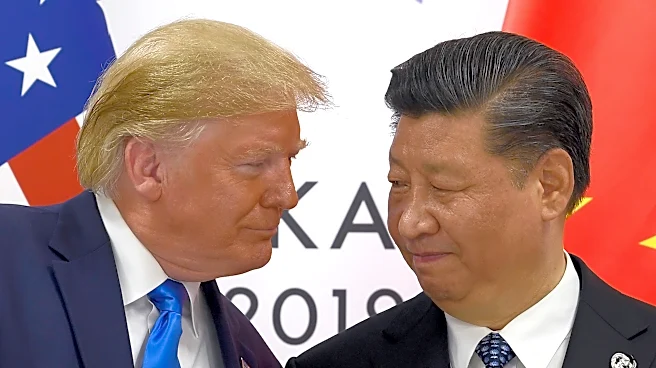
What's Happening?
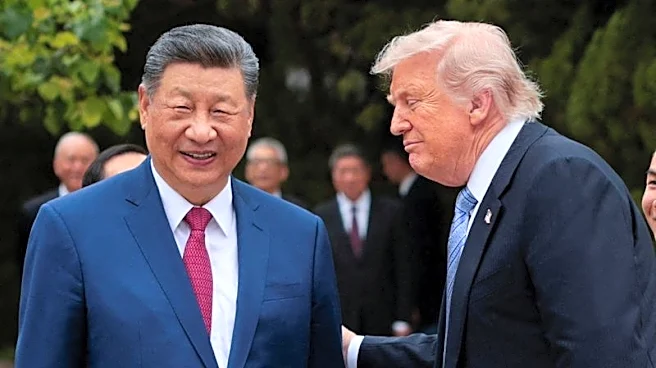
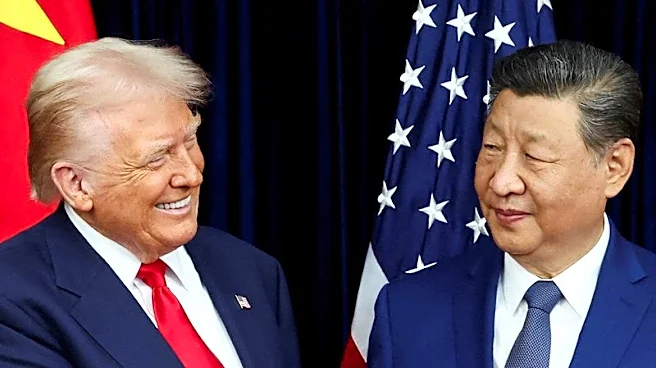
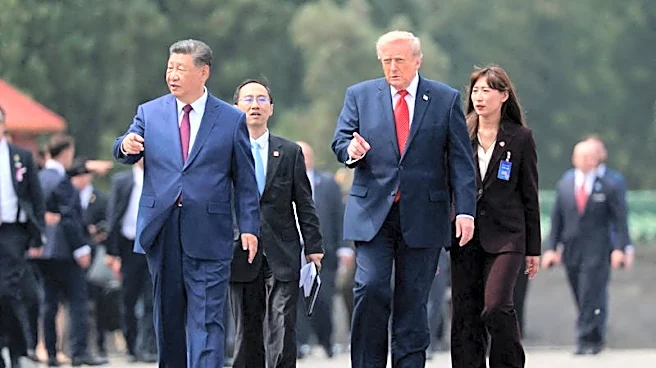
U.S. Republican Senator Roger Wicker of Mississippi, Chairman of the Senate Armed Services Committee, has publicly criticized President Trump's planned ceremonial reception for Chinese President Xi Jinping in Washington. Senator Wicker stated that he would
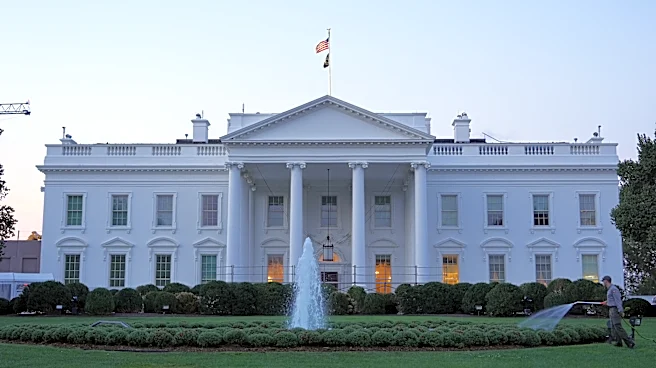
not advise the White House to extend such a lavish welcome, citing numerous troubling issues associated with Xi Jinping and the Chinese Communist Party. The planned visit includes a meeting at Joint Base Andrews, followed by a state dinner at the White House. This summit marks the first in-person meeting between President Trump and Xi since May and occurs less than two months before a trade truce between the two nations is set to expire on November 10. Senator Wicker urged President Trump to address China's support for Iran, the persecution of Uyghur Muslims, Tibetan Buddhists, Christians, and Falun Gong practitioners, specifically highlighting the internment of over one million Uyghurs in camps in China's Xinjiang region. Despite his concerns, Wicker acknowledged the importance of discussing trade and artificial intelligence during the talks, suggesting that these discussions could yield some results. U.S. Treasury Secretary Scott Bessent indicated that Washington and Beijing are considering reducing tariffs on non-critical goods.
Why It's Important?
Senator Wicker's criticism underscores a significant divergence in approach within the U.S. government regarding diplomatic engagement with China, particularly concerning human rights and geopolitical strategy. His remarks highlight the tension between pursuing economic and technological cooperation, such as in trade and artificial intelligence, and upholding American values related to human rights. The lavish welcome for President Xi, despite documented human rights abuses and China's military buildup, could be perceived as undermining U.S. efforts to advocate for these issues on the global stage. This situation is important because it reflects the complex balancing act the U.S. faces in its relationship with China, a major economic competitor and geopolitical rival. The outcome of these discussions, and the emphasis placed on human rights versus economic interests, could set precedents for future U.S. foreign policy and influence international perceptions of American leadership. Furthermore, the impending expiration of the trade truce adds another layer of urgency, as the summit's tone and substance could impact future trade relations and global economic stability.
What's Next?
The immediate next steps involve the continuation of Chinese President Xi Jinping's state visit to Washington, which includes the planned state dinner and further discussions with President Trump. It remains to be seen whether President Trump will publicly or privately address the human rights concerns raised by Senator Wicker during his meetings with President Xi. The discussions are expected to cover critical areas such as trade and artificial intelligence, with potential implications for tariff reductions. The outcome of these talks will likely influence the future trajectory of U.S.-China relations, especially as the November 10 trade truce deadline approaches. Reactions from other U.S. lawmakers, human rights organizations, and international allies will be closely monitored, as they may pressure the administration to take a firmer stance on human rights issues. The visit's success will likely be measured by any concrete agreements reached on trade and technology, as well as the extent to which human rights concerns are acknowledged and addressed.
Beyond the Headlines
Beyond the immediate diplomatic exchanges, Senator Wicker's strong condemnation of the 'lavish welcome' for President Xi brings to light deeper ethical and strategic considerations in U.S. foreign policy. The debate over how to engage with authoritarian regimes, balancing economic interests with moral principles, is a recurring challenge. The decision to host President Xi with significant pomp, despite his country's human rights record, could be interpreted as prioritizing short-term economic gains or strategic stability over long-term advocacy for democratic values and human rights. This approach could have long-term implications for U.S. credibility as a global human rights defender and may embolden other authoritarian states. Furthermore, the focus on artificial intelligence as a key discussion point highlights the growing technological competition between the U.S. and China, raising questions about ethical guidelines for AI development and its potential military applications. The underlying tension between economic interdependence and ideological differences will continue to shape the U.S.-China relationship for years to come.