



What's Happening?
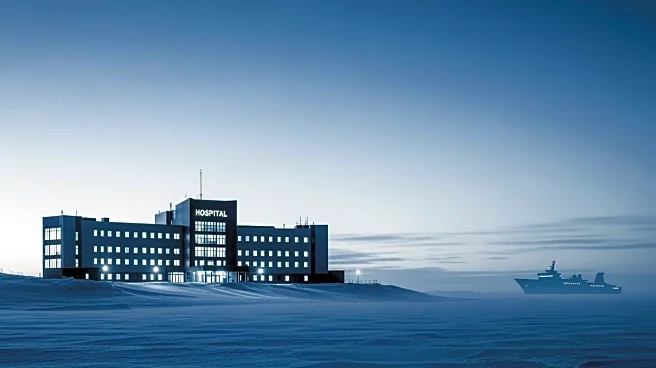
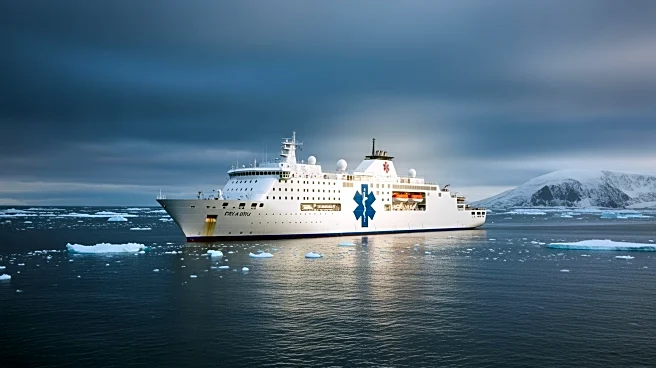
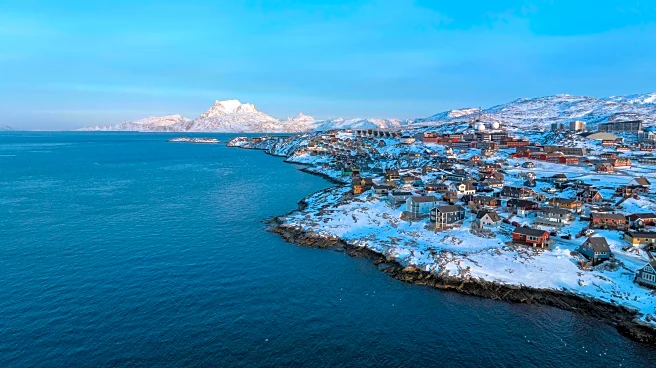
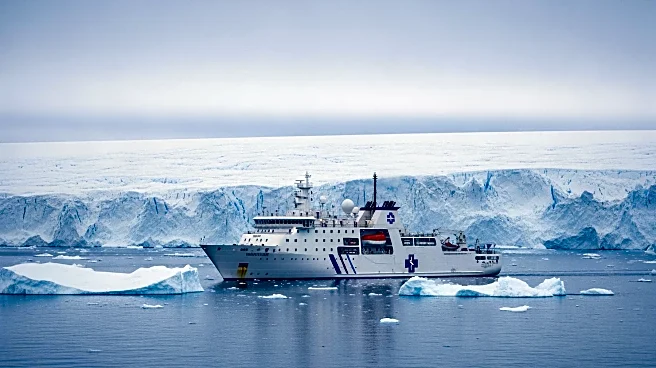
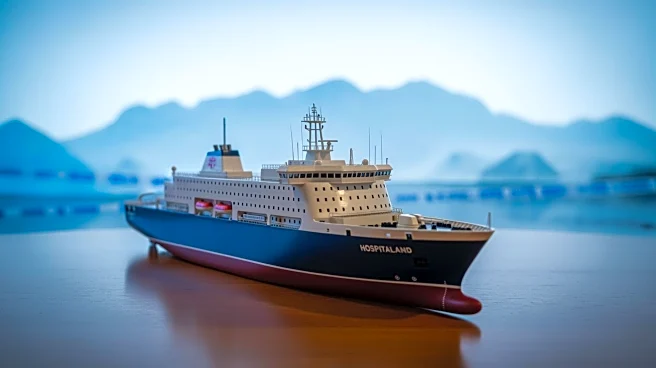
Greenland's Prime Minister Jens-Frederik Nielsen has publicly declined U.S. President Donald Trump's proposal to send a hospital ship to the territory. President Trump, who has previously expressed interest in acquiring Greenland, announced on social
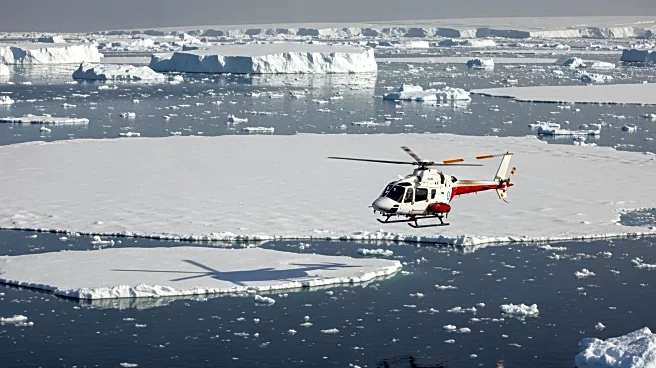
media his collaboration with Louisiana Governor Jeff Landry to dispatch a hospital ship to Greenland. Prime Minister Nielsen responded by emphasizing Greenland's commitment to its public healthcare system, which provides free treatment to its citizens. He expressed openness to dialogue and cooperation with the U.S. but criticized the approach of making announcements on social media without prior consultation. This development follows recent diplomatic talks between Greenland, Denmark, and the U.S. aimed at resolving tensions within the NATO alliance, exacerbated by President Trump's previous threats concerning the Arctic territory. The announcement coincided with an unrelated medical evacuation of a U.S. submarine crew member in Greenlandic waters, which was handled by the Danish Defence.
Why It's Important?
The rejection of President Trump's proposal highlights ongoing diplomatic tensions between the U.S. and Greenland, as well as Denmark, which oversees Greenland's foreign affairs. This situation underscores the complexities of international relations within the Arctic region, where geopolitical interests are increasingly at play. Greenland's firm stance on maintaining its healthcare independence reflects broader concerns about sovereignty and external influence. The incident also illustrates the challenges faced by the U.S. in navigating its diplomatic relationships with allied territories, particularly in strategic regions like the Arctic. The outcome of these tensions could impact U.S. influence in the region and its ability to collaborate on Arctic issues, which are becoming more critical due to climate change and resource exploration.
What's Next?
Future diplomatic engagements between Greenland, Denmark, and the U.S. are likely as they seek to address and resolve ongoing tensions. The U.S. may need to reassess its approach to Greenland, focusing on building trust and cooperation rather than unilateral actions. The situation could prompt discussions within NATO about the alliance's strategy in the Arctic, especially concerning member states' territorial interests and security concerns. Additionally, Greenland's response may influence other territories' interactions with larger powers, emphasizing the importance of respecting local governance and autonomy.