





What's Happening?
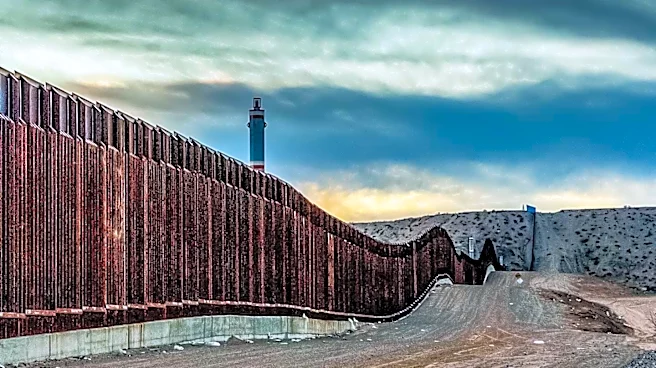
A small town in Texas is legally challenging the Trump administration's plan to build a border wall through a levee system that protects the community from flooding. The town argues that the wall could exacerbate flooding risks and that the administration is bypassing
legal requirements by not consulting the Army Corps of Engineers. The Department of Homeland Security is pushing forward with the $46 billion border wall project, despite opposition from local communities, environmental groups, and Native American tribes. The administration claims it has the authority to waive regulations to expedite construction.
Why It's Important?
The legal battle highlights the tension between local communities and federal government over border security measures. The outcome of this case could set a precedent for how similar disputes are handled, particularly regarding the balance between national security and local environmental concerns. The border wall has been a contentious issue, with implications for immigration policy, environmental protection, and federal authority. The case underscores the challenges of implementing large-scale infrastructure projects that impact diverse stakeholders and ecosystems.
What's Next?
The court's decision will be pivotal in determining the future of the border wall project in this region. If the town succeeds, it could delay or alter the construction plans, potentially influencing other legal challenges along the border. The administration may face increased scrutiny over its use of regulatory waivers and its approach to community engagement. The case could also prompt broader discussions on the effectiveness and consequences of the border wall as a security measure. Stakeholders, including environmental groups and local governments, will likely continue to advocate for their interests as the legal process unfolds.