







What's Happening?
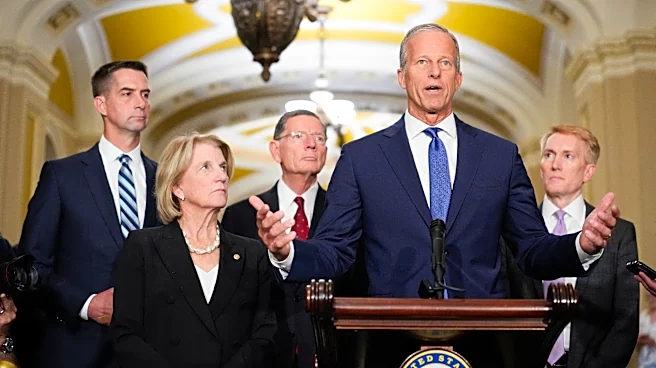
Senator Ron Wyden (D-OR), the ranking member of the Senate Finance Committee, has introduced the Stability and Opportunity for Workers Act. This proposed legislation aims to strengthen the U.S. Unemployment Insurance (UI) system to better support workers
and the economy, particularly in anticipation of potential job displacements caused by advancements in artificial intelligence (AI). The act seeks to establish new national standards for UI benefits across states, expanding access to include workers currently excluded, such as self-employed and gig workers. Additionally, it proposes a transition wage program to support workers undergoing training for new career paths and a job seekers allowance for those seeking work but not qualifying for traditional UI benefits due to limited prior experience. The legislation also intends to expand existing Short-Time Compensation benefits, a work-sharing program designed to help businesses retain employees by providing UI benefits for reduced hours during economic downturns.
Why It's Important?
The proposed Stability and Opportunity for Workers Act is a significant step towards modernizing the U.S. social insurance system in response to the evolving labor market, especially with the increasing adoption of AI. A well-functioning UI system is crucial for shared economic growth and serves as an automatic economic stabilizer during downturns. The current UI system's effectiveness has eroded over time, with varying benefit levels and durations across states, and a declining percentage of unemployed workers receiving benefits. This legislation aims to address these shortfalls by ensuring a minimum standard of benefits regardless of geography, which could prevent economic hardship for workers and sustain demand across the U.S. economy. By including self-employed and gig workers, the act acknowledges the changing nature of work and seeks to provide a safety net for a broader segment of the workforce, thereby enhancing economic resilience.
What's Next?
The Stability and Opportunity for Workers Act will now proceed through the legislative process in the U.S. Senate. It will likely undergo committee review, potential amendments, and debates before a vote. If passed by the Senate, it would then move to the House of Representatives for consideration. Policymakers will need to engage in further discussions regarding UI financing to ensure the program's long-term sustainability. The introduction of this legislation is expected to spark broader conversations about UI reform and how the system can be adapted to support worker organization and power in an era of technological disruption. The bill's progress will be closely watched by labor organizations, businesses, and economists, as its provisions could significantly alter the landscape of unemployment support in the U.S.
Beyond the Headlines
Beyond its immediate impact on unemployment benefits, this legislation highlights a growing recognition among U.S. policymakers of the need to proactively address the societal implications of AI. The act implicitly acknowledges that AI-driven automation could lead to significant shifts in the labor market, potentially displacing workers or requiring them to acquire new skills. By proposing a transition wage program for retraining, the legislation underscores a commitment to workforce development and adaptability. This initiative could set a precedent for future policies aimed at mitigating the negative consequences of technological advancement on employment. It also raises ethical considerations about the responsibility of society to support workers through periods of economic transformation and the role of government in ensuring a robust social safety net in the face of rapid technological change.