



What's Happening?
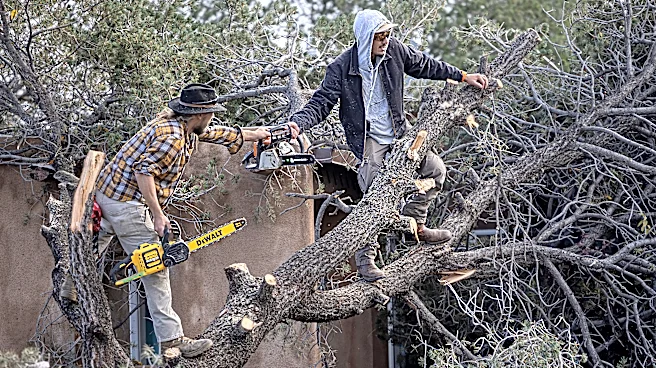
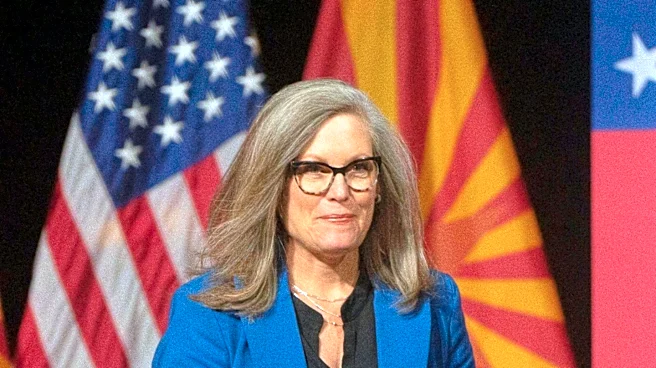
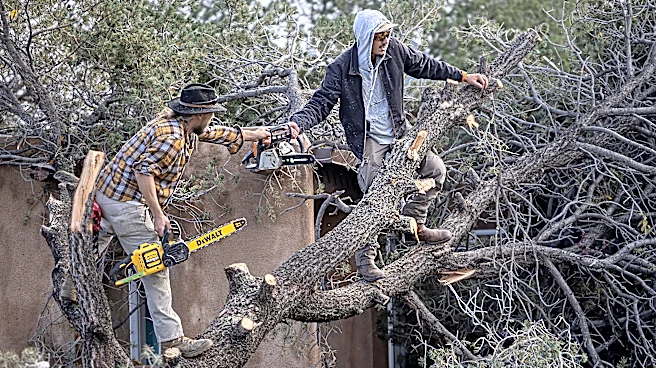
Arizona Governor Katie Hobbs has denied a request to declare a state of emergency following an EF-1 tornado that struck Heber-Overgaard on October 21, causing significant damage. The tornado, with 110 MPH winds, damaged homes and uprooted trees, leading
State Rep. Walt Blackman (R-District 7) to formally request a state declaration. Navajo County Board of Supervisors Chairman Daryl Seymore also declared a local emergency, estimating county damage at $20,000. However, Governor Hobbs' office indicated that the community possesses sufficient resources to respond without state support. Roni Fraser, an assistant professor of emergency management at Arizona State University, clarified that a state declaration primarily provides public assistance for infrastructure like roads, not direct aid to homeowners. For individual assistance, a federal disaster declaration through FEMA would be required, which the county does not plan to pursue, as its public infrastructure remains intact.
Why It's Important?
Governor Hobbs' decision highlights the nuanced criteria for declaring a state of emergency and its implications for disaster recovery. While local officials and residents in Heber-Overgaard are grappling with property damage and a lengthy cleanup, the denial means that state-level funding and resources will not be immediately accessible for broader recovery efforts. This situation underscores the distinction between local, state, and federal emergency declarations, and the specific types of aid each can unlock. The lack of a state declaration places a greater burden on local government and individual residents for recovery, potentially prolonging the rebuilding process for those without insurance or adequate personal resources. It also brings into focus the differing perspectives on what constitutes an 'unmet need' that warrants state intervention, with some local leaders advocating for more comprehensive support.
What's Next?
State Rep. Walt Blackman continues to urge Governor Hobbs to reconsider her decision, emphasizing the need for long-term recovery assistance beyond initial responses. While Governor Hobbs' Press Secretary Liliana Soto stated that the governor is still considering additional state help and receiving regular updates, no immediate change in the decision has been announced. Navajo County officials, having declared their own emergency, will continue to manage the cleanup and recovery efforts with their existing resources. Residents of Heber-Overgaard, particularly those whose homes were damaged, will largely rely on personal means and insurance for repairs, as neither state nor federal individual assistance is currently anticipated. The ongoing assessment by state emergency managers and the Department of Emergency and Military Affairs (DEMA) will determine if any further state support is deemed necessary.
Beyond the Headlines
This incident brings to light the complex interplay between political leadership, emergency management protocols, and community resilience in the face of natural disasters. The debate over the emergency declaration reflects a broader tension between fiscal responsibility and the perceived moral obligation to assist affected citizens. It also exposes potential gaps in public understanding regarding the scope and benefits of various disaster declarations, as many residents mistakenly believe a state declaration would provide direct financial aid. The situation could prompt a re-evaluation of criteria for state emergency declarations in Arizona, especially concerning smaller communities that may struggle with recovery despite having intact public infrastructure. Furthermore, it highlights the critical role of local leadership in advocating for their communities and navigating the bureaucratic processes of disaster relief.