

What's Happening?
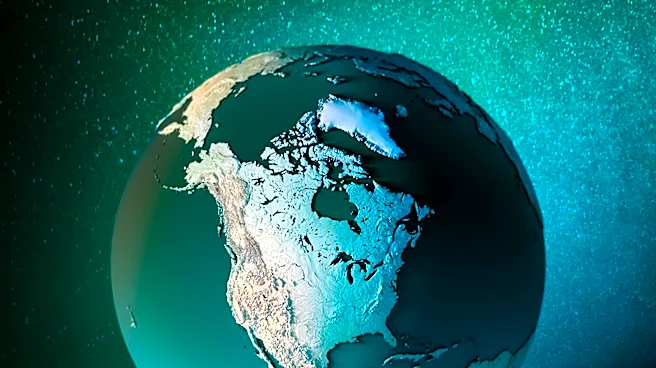
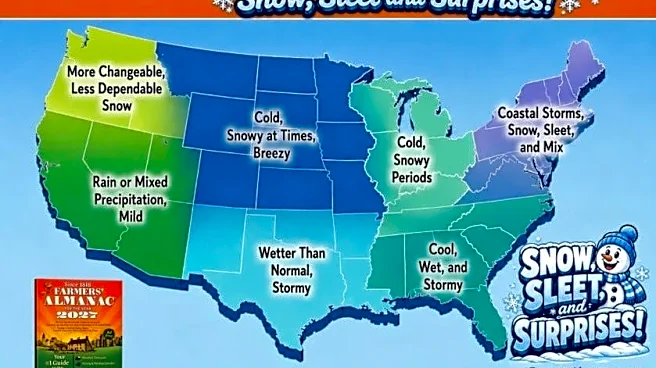
The Farmers' Almanac has released its winter forecast for 2026-2027, predicting a season of sharp contrasts and surprises across the United States. The forecast, which has been published annually since 1818, suggests that a potential 'super' El Niño could
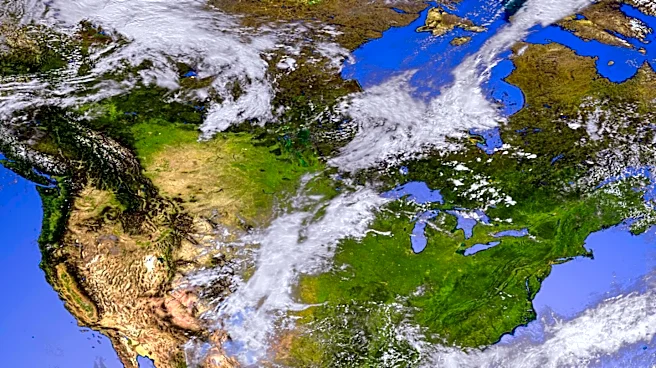
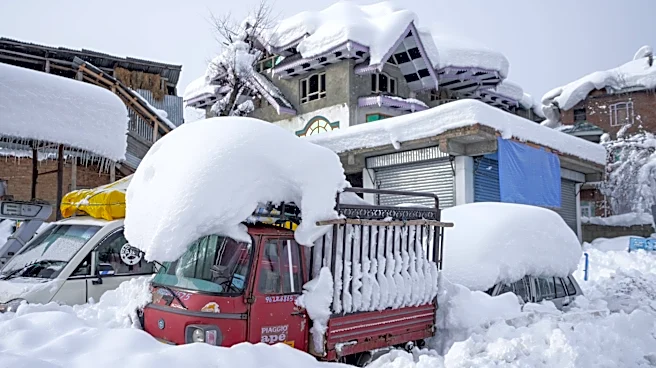
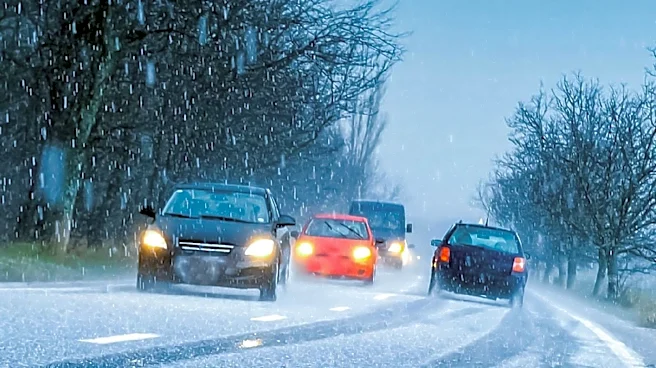
significantly alter weather patterns, affecting temperature and precipitation across North America. The Southern Tier of the U.S. is expected to experience wetter-than-normal conditions, with frequent storms and cold air surges potentially leading to wintry precipitation such as sleet, freezing rain, and snow. Meanwhile, the Northern Tier, including the West, northern Plains, Upper Midwest, and Great Lakes, may see near-normal temperatures but still face wintry weather with fast-moving clippers and sudden cold snaps. In the Northeast, coastal areas might encounter more rain and mixed precipitation, while inland regions could see heavy, wet snow, particularly in January and February. The Pacific Northwest is predicted to have a more variable snow season, with less reliability in snowfall patterns.
Why It's Important?
The forecasted winter conditions could have significant implications for various sectors in the U.S., including agriculture, transportation, and energy. Wetter conditions in the Southern Tier could impact crop yields and agricultural operations, while increased storm activity may disrupt transportation networks and supply chains. In the Northern Tier, the potential for sudden cold snaps and snow could strain energy resources and increase heating demands. The variability in the Pacific Northwest's snow season could affect water resources and hydroelectric power generation. Additionally, the forecast highlights the need for preparedness among residents and businesses, as small shifts in storm tracks and temperatures could lead to rapid changes in weather conditions.
What's Next?
As the winter season approaches, stakeholders across the U.S. will need to monitor weather developments closely and prepare for potential impacts. Emergency management agencies may need to coordinate with local governments and communities to ensure readiness for severe weather events. The agricultural sector might adjust planting and harvesting schedules based on expected precipitation patterns. Energy providers could implement strategies to manage increased demand and potential disruptions. Residents are advised to stay informed about weather forecasts and prepare for possible changes in conditions, including stocking up on essential supplies and winterizing homes and vehicles.