






What's Happening?
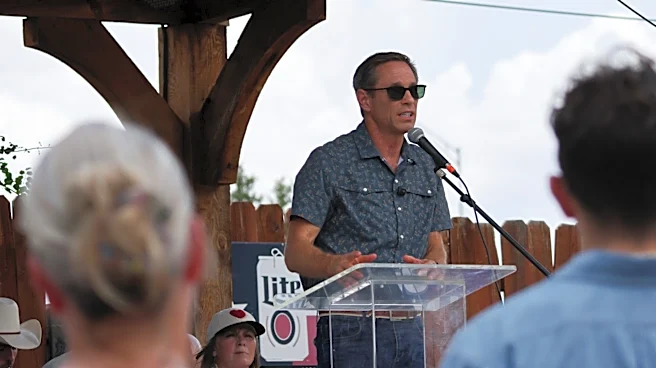
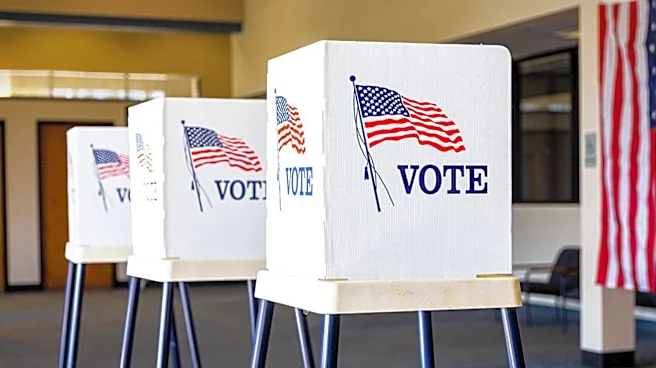
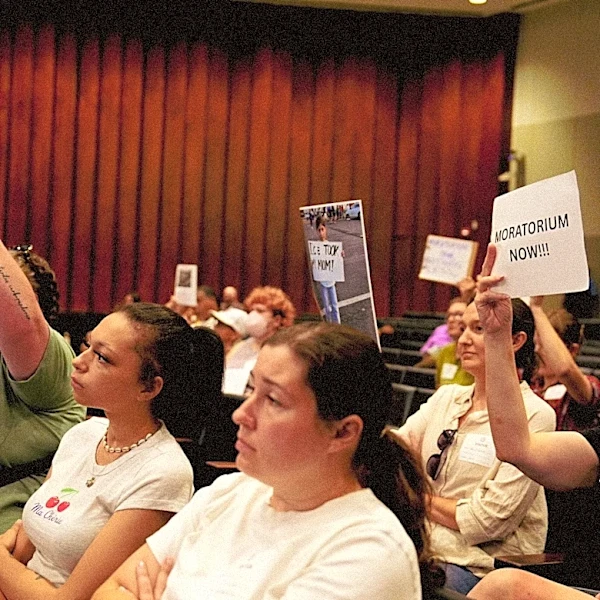
Texas Democratic Senate nominee James Talarico is actively protesting a plan by Tarrant County to close 92 polling places ahead of the November midterms. The Commissioners Court for Tarrant County, which includes Fort Worth, is scheduled to vote on this
proposal. Talarico argues that these closures are a deliberate attempt to suppress voter turnout, particularly impacting the county's poorer and minority populations. He stated at a press event that the closures would result in longer travel times for voters and lower participation, especially in heavily Black and Latino communities. Proponents of the closures, such as state Rep. Matt Shaheen, chairman of the Texas House Elections Committee, claim the move is intended to save money and is not a political tactic. However, past actions by Republican officials in Tarrant County, including attempts to remove early voting sites on college campuses and reduce polling locations in 2025, suggest a partisan motivation.
Why It's Important?
This situation is critically important for the integrity of the democratic process in Texas and could have significant implications for the upcoming Senate election. Tarrant County is a key swing county, and a Democrat has not won a statewide election in Texas since 1994. Talarico is currently leading Republican Attorney General Ken Paxton in most polls, making this race highly competitive. The proposed closures could disproportionately affect minority and low-income voters, who often face greater challenges in accessing polling places due to transportation or work constraints. If the closures proceed, they could suppress turnout among demographics that typically lean Democratic, potentially altering the outcome of a closely contested election. Civil rights groups, including the ACLU and the Legal Defense Fund, have voiced concerns that these actions will disenfranchise many voters and harm their right to participate in the democratic process.
What's Next?
The Tarrant County Commissioners Court is scheduled to vote on the proposal to close 92 polling places. The outcome of this vote will determine the immediate future of voter access in the county. If the closures are approved, it is highly probable that civil rights organizations and Democratic campaigns will pursue legal challenges, arguing voter suppression. Regardless of the vote's outcome, the issue is likely to remain a central point of contention in the Texas Senate race, with Talarico continuing to highlight it as an example of Republican efforts to restrict voting rights. The debate will also likely fuel broader discussions about election integrity and access across the state and potentially influence voter mobilization efforts by both parties in the lead-up to the November midterms.
Beyond the Headlines
This controversy extends beyond a simple administrative decision about polling places; it reflects a deeper, ongoing national debate about voting rights and partisan efforts to influence election outcomes. The argument of cost-saving versus voter suppression is a recurring theme in such disputes, often masking strategic political maneuvers. The disproportionate impact on minority and low-income communities raises ethical questions about equitable access to democracy and the potential for systemic disenfranchisement. This situation in Tarrant County could serve as a microcosm for similar battles across the U.S., where demographic shifts and close electoral contests intensify efforts to control the mechanisms of voting. It underscores the fragility of voting access and the constant vigilance required to protect it, particularly in states with a history of restrictive voting laws.