





What's Happening?
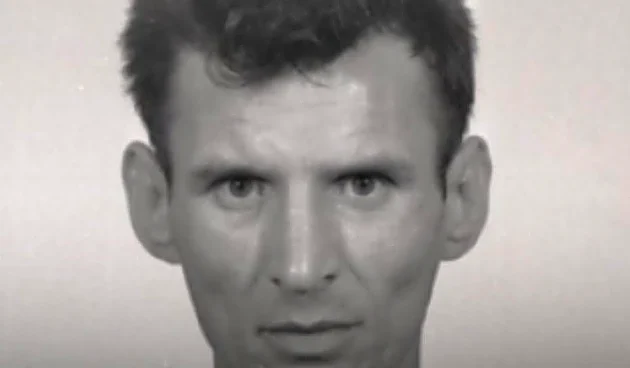
The case of serial killer Phillip Jablonski, whose crimes spanned California and beyond in the early 1990s, has been revisited, detailing his brutal methods and the chilling discovery of his audio diary. Jablonski's crime spree began with the discovery of Fathyma
Vann's mutilated body in the Indio, California desert in April 1991. Investigators found an eerie carving on her back and severe mutilations, including missing eyeballs, cut ears, and removed nipples. Shortly after, the bodies of Eva Peterson and Carol Spadoni were found in Burlingame, exhibiting similar mutilations and gunshot wounds. Spadoni, Jablonski's prison penpal and later wife, had married him while he was incarcerated for a previous murder. Authorities linked Jablonski to both crime scenes through a moving citation and his enrollment in the same auto repair course as Vann, who had previously rejected his advances. Jablonski was apprehended in Kansas after a national alert, but not before claiming another victim, Margie Rogers, in Utah during his flight. Inside his car, investigators found a .22 caliber handgun, a handmade leather belt with victims' names, and a disturbing audio diary where Jablonski recounted his murders and predatory thoughts.
Why It's Important?
This case highlights the profound and lasting impact of serial violence on victims, their families, and the communities affected. The detailed account of Jablonski's methods, including the mutilations and the chilling audio diary, underscores the extreme psychological and emotional trauma inflicted by such crimes. The fact that Jablonski was a parolee at the time of these murders raises critical questions about the effectiveness of correctional oversight and the mechanisms in place to monitor individuals with violent histories upon their release. The case also illustrates the complex and often harrowing nature of criminal investigations, requiring cross-jurisdictional cooperation and meticulous evidence collection to connect seemingly disparate crimes. The use of an audio diary by the perpetrator provides a rare and disturbing insight into the mind of a serial killer, offering valuable, albeit grim, material for forensic psychology and criminology studies. The victims' stories, particularly Carol Spadoni's tragic journey from penpal to victim, serve as a stark reminder of the vulnerabilities that can be exploited by manipulative individuals.
What's Next?
While Phillip Jablonski was captured and his reign of terror ended, the ongoing re-examination of such cases, as seen with the 'Unknown Serial Killers of America' series, often leads to renewed public discussion about cold cases, victim identification, and the psychological profiles of serial offenders. For law enforcement, these detailed accounts can serve as educational tools, aiding in the understanding of serial crime patterns and investigative techniques. For the families of victims, revisiting these stories can be a painful but sometimes necessary step in processing their loss and ensuring their loved ones are remembered. The insights gained from Jablonski's audio diary could potentially contribute to broader research on criminal psychology, helping to refine profiling methods and early intervention strategies for individuals exhibiting similar predatory behaviors. Furthermore, such cases often prompt reviews of parole systems and public safety protocols to prevent future occurrences of violence by repeat offenders.
Beyond the Headlines
The Phillip Jablonski case delves into the darker aspects of human psychology and societal vulnerabilities. The discovery of his audio diary, where he meticulously documented his crimes and fantasies, raises ethical questions about the use of such evidence in legal proceedings and its potential impact on victims' families. It also highlights the disturbing reality that some individuals derive gratification from reliving their violent acts. The case touches upon the complex dynamics of human connection, as seen in Carol Spadoni's relationship with Jablonski, which began as a prison penpal correspondence and tragically escalated. This aspect underscores the need for caution and awareness in interactions, particularly with individuals with known violent pasts. The mutilations and symbolic carvings on the victims' bodies suggest a deeper psychological component to Jablonski's crimes, possibly indicating a need for control, dehumanization, or a twisted form of communication. These elements contribute to the broader understanding of extreme violence and the psychological motivations behind it, prompting ongoing discussions in forensic science, victim advocacy, and public safety.