
What's Happening?
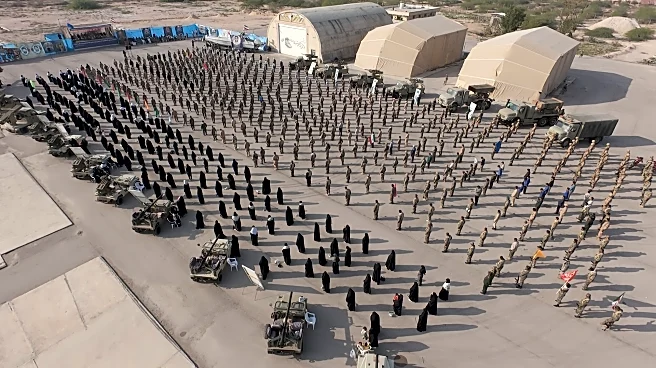
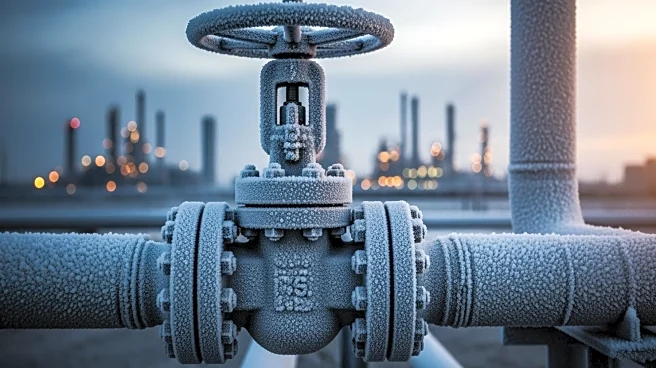
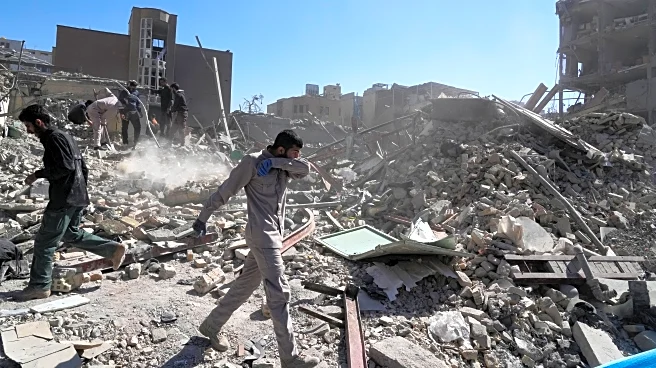
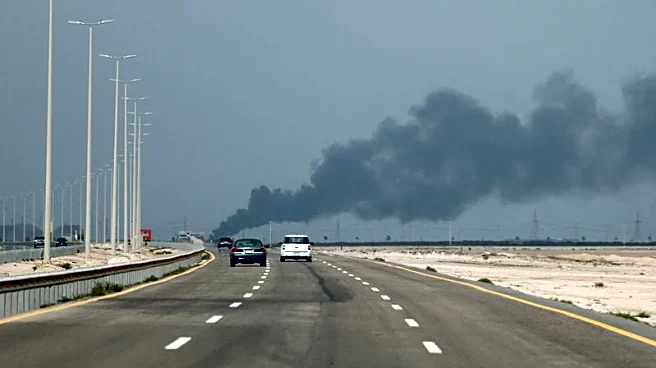
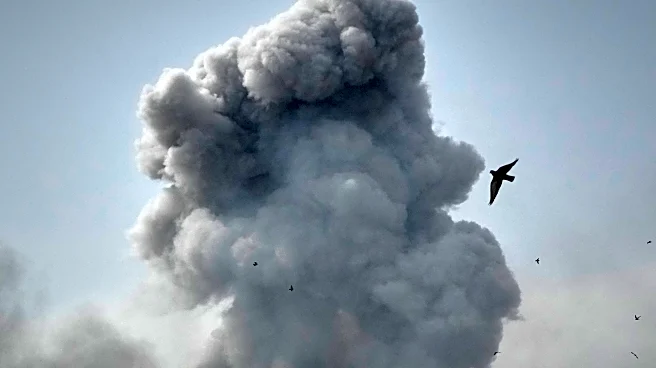
The ongoing conflict in the Middle East has severely disrupted global energy supplies, leading to a significant increase in oil and gas prices. The Strait of Hormuz, a critical passage for about 20% of the world's oil and LNG supply, has been closed for four
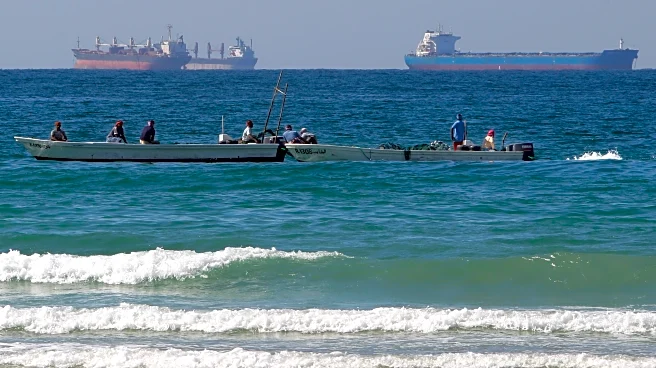
days following attacks by Iran on five ships. This has resulted in hundreds of tankers being stranded near major ports like the UAE's Fujairah, unable to deliver to customers in Asia and Europe. Iraq has already reduced its oil production by over a million barrels per day, with further cuts anticipated. The situation has caused Brent crude oil prices to rise by nearly 8%, reaching their highest level since July 2024.
Why It's Important?
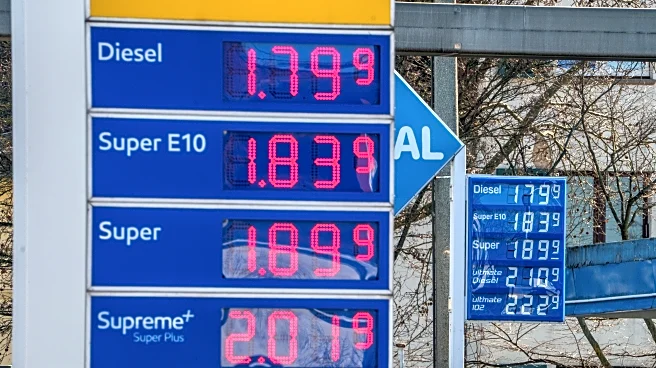
The disruption in the Middle East poses a significant risk to global economic stability, particularly for regions heavily reliant on Middle Eastern energy imports, such as Europe and Asia. The spike in energy prices could lead to increased inflation, potentially stalling economic recovery efforts. In the U.S., rising gasoline prices present a political challenge, especially with upcoming midterm elections. The conflict also highlights vulnerabilities in global energy infrastructure and the potential for further escalation, which could exacerbate supply shortages and economic impacts.
What's Next?
Countries and companies are exploring alternative routes and solutions to mitigate the impact of the supply disruption. Saudi Arabia is attempting to reroute oil through its Red Sea port, although capacity is limited. The U.S. government is expected to announce measures to alleviate domestic price pressures, possibly including releases from the Strategic Petroleum Reserve. The situation remains volatile, with the potential for further attacks and disruptions.