






What's Happening?
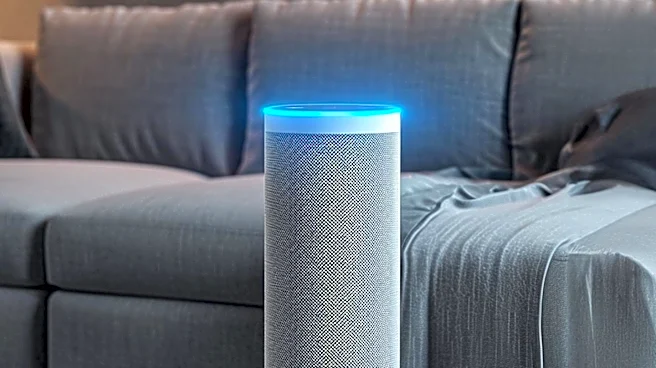
Smart home automation is characterized as a residential technology system designed to monitor, control, and coordinate household devices either automatically or remotely. This system relies on connected devices, sensors, and predefined rules, often utilizing
a central hub, to enable a home to respond to schedules, environmental conditions, or user commands. The core functionality involves a chain of events: a trigger (e.g., motion, a scheduled time) initiates a process, a controller or hub checks specific conditions (e.g., darkness, occupancy), and then an actuator (a device like a light bulb or thermostat) performs a physical action. This allows for routines such as turning on lights after sunset when someone enters a room or adjusting climate control based on window status. Key components include controllers, gateways, smart devices (thermostats, locks, cameras), and various sensors for motion, temperature, and leaks.
Why It's Important?
The widespread adoption and continuous evolution of smart home automation hold significant importance for U.S. consumers, industries, and public policy. For consumers, these systems offer enhanced convenience, comfort, and accessibility, making daily routines more efficient and homes more responsive to individual needs. The potential for energy management, such as reducing heating or cooling when windows are open, can lead to lower utility costs and contribute to broader energy conservation efforts. For industries, the growth of smart home technology drives innovation in hardware, software, and connectivity solutions, creating new markets and job opportunities. However, the increasing reliance on interconnected devices also raises critical concerns regarding privacy and security. The collection of data from cameras, microphones, and occupancy sensors necessitates robust security measures and clear privacy policies to protect user information from potential breaches or misuse. This also impacts public policy, as regulators may need to establish standards for data protection and interoperability within the smart home ecosystem.
What's Next?
The future of smart home automation is expected to see continued advancements in interoperability and the integration of more sophisticated AI. Efforts like the Matter application standard aim to improve cross-platform setup and control, reducing compatibility issues and making smart homes more accessible. We can anticipate a greater emphasis on local control options to enhance privacy and ensure functionality during internet outages, alongside cloud-based services for remote access. The industry will likely focus on developing more intuitive user interfaces and predictive automation, where systems learn user habits and anticipate needs without explicit commands. Furthermore, as smart homes become more integral to daily life, there will be an increased demand for professional installation and maintenance services, particularly for complex systems involving electrical work, plumbing, and security. The ongoing challenge will be to balance technological innovation with user privacy, data security, and ease of use, ensuring that smart home benefits are widely accessible and trustworthy.
Beyond the Headlines
Beyond the immediate benefits of convenience and efficiency, smart home automation is subtly reshaping our relationship with technology and our living spaces. The increasing automation of household tasks can lead to a redefinition of 'home management,' shifting from manual intervention to oversight of automated systems. This raises questions about digital literacy and the potential for a 'digital divide,' where those without access to or understanding of these technologies might be left behind. Ethically, the pervasive nature of sensors and data collection in smart homes could normalize constant surveillance, impacting societal norms around privacy within private residences. The long-term implications include potential shifts in home design, with architects and builders incorporating smart technology as a foundational element rather than an add-on. Moreover, the environmental impact of manufacturing and disposing of numerous interconnected devices will become a more pressing concern, requiring sustainable practices throughout the product lifecycle. The evolution of smart homes is not just about gadgets; it's about fundamentally altering how we live, interact, and perceive our personal environments.