
What's Happening?
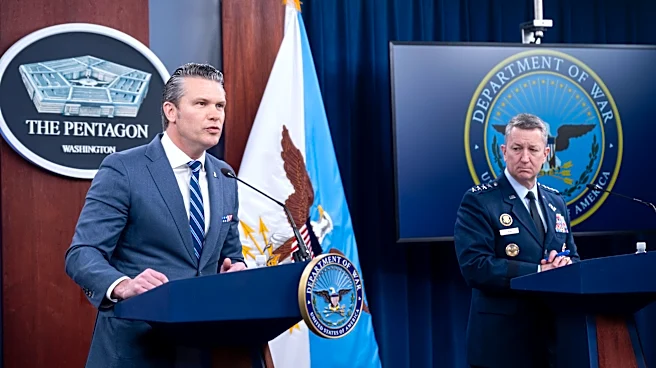
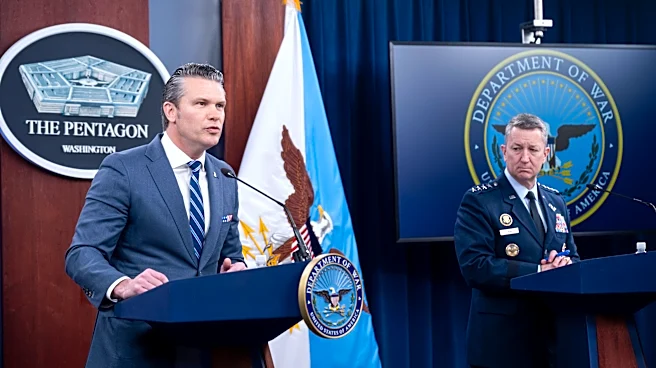
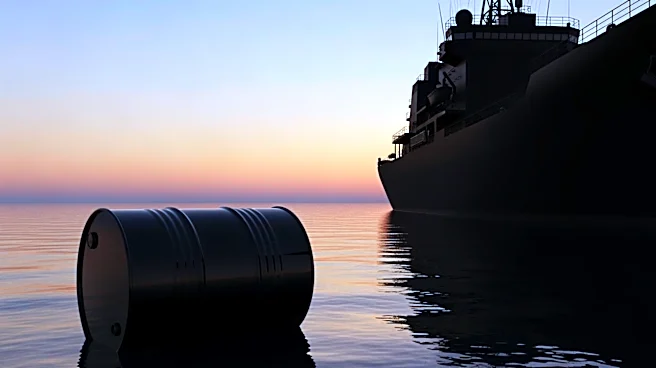
The U.S. naval blockade has reportedly resulted in a $4.8 billion loss in oil revenue for Iran since its implementation on April 13, according to a Pentagon estimate. This development comes as nuclear
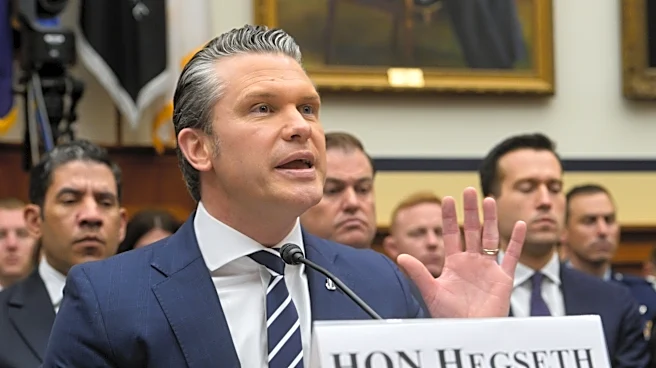
negotiations between the U.S. and Iran remain at a standstill. Acting Pentagon press secretary Joel Valdez stated that the blockade is significantly impacting Iran's financial capacity to support terrorism. President Trump, addressing the situation, mentioned that Iran's recent peace proposal included demands he could not accept. Additionally, he informed Congress that hostilities with Iran have been terminated. The financial implications of the blockade are under scrutiny, with differing cost estimates being debated. While the Pentagon's acting CFO, Jules Hurst III, presented a $25 billion cost to the House Armed Services Committee, Senator Angus King suggested the figure might be closer to $50 billion. Iranian Foreign Minister Abbas Araghchi claimed the cost could exceed $100 billion.
Why It's Important?
The blockade's impact on Iran's oil revenue is significant, as it directly affects the country's economy and its ability to fund activities deemed as supporting terrorism by the U.S. This financial strain could influence Iran's position in nuclear negotiations, potentially pushing them towards concessions. The differing cost estimates of the blockade highlight the financial burden on the U.S. military and taxpayers, raising questions about the long-term sustainability of such measures. The situation also underscores the complexities of U.S.-Iran relations and the broader geopolitical implications, including potential shifts in alliances and regional stability.
What's Next?
The continuation of the blockade and its financial impact on Iran may pressure the country to return to the negotiating table with more favorable terms for the U.S. However, the high costs associated with the blockade could lead to increased scrutiny and debate within the U.S. government regarding its efficacy and sustainability. Key stakeholders, including Congress and international allies, may push for alternative strategies to address the nuclear issue and regional security concerns. The evolving situation will likely influence future U.S. foreign policy decisions and military engagements in the region.