







What's Happening?
Pike County, Ohio, has been awarded a $2 million state grant to develop new workforce housing infrastructure. This funding is part of the second round of the Residential Economic Development District (REDD) program, which distributed a total of $14 million across
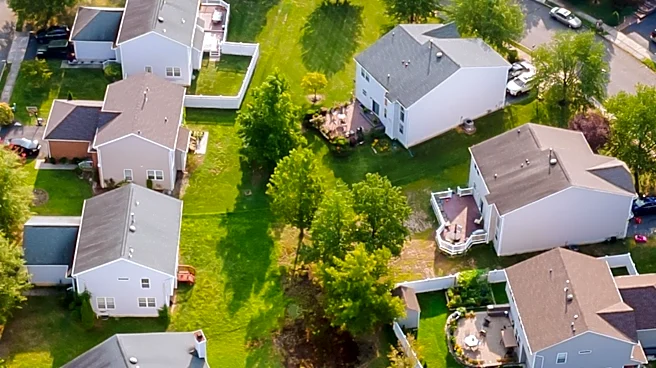
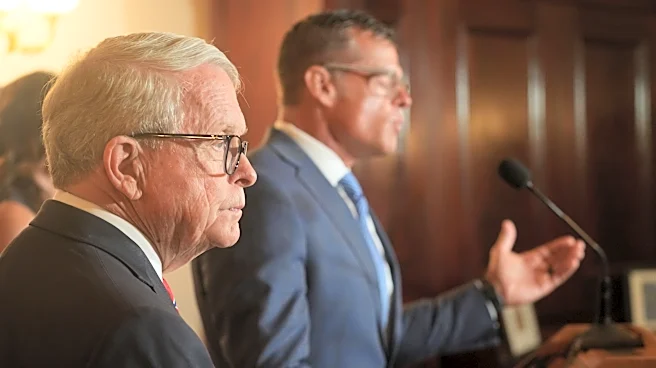
10 counties to support workforce housing initiatives. The Village of Piketon, specifically, will receive the $2 million to build essential infrastructure for a significant housing development situated within four miles of Centrus Energy's American Centrifuge Project. Ohio state officials have indicated that this investment aims to address the increased housing demand resulting from economic growth in the area. Governor Mike DeWine emphasized the importance of ensuring that individuals filling new job opportunities can find suitable housing nearby. The REDD program provides grants to communities located within 20 miles of major economic development projects, allowing eligible local governments to use the funds for expanding housing-related infrastructure, enhancing public safety and community services, or providing capital support for new housing developments. Ohio received 32 applications for this funding round, with requests totaling nearly $69 million, out of an overall allocation of $25 million for the REDD program.
Why It's Important?
This grant is crucial for addressing the housing challenges that often accompany large-scale economic development projects in rural or less populated areas. The Centrus Energy's American Centrifuge Project, a significant industrial undertaking, is expected to bring numerous jobs, which in turn creates an urgent need for housing for the incoming workforce. Without adequate housing, the economic benefits of such projects can be undermined, as potential employees may be deterred by a lack of affordable or available residences. This investment directly supports the growth of the local economy by ensuring that the workforce has access to stable living conditions, which is vital for employee retention and community stability. It also highlights a proactive approach by the state government to mitigate potential social and economic disruptions caused by rapid industrial expansion, ensuring that economic growth is sustainable and inclusive for the affected communities.
What's Next?
The Village of Piketon will proceed with developing the critical infrastructure necessary for the new housing development. This will likely involve planning, zoning, and construction phases to prepare the site for residential building. The success of this project could serve as a model for other communities in Ohio and across the U.S. facing similar workforce housing shortages due to economic development. Future rounds of the REDD program or similar state initiatives may see increased demand and funding, especially if this project demonstrates tangible positive outcomes. Local businesses and service providers in Pike County can anticipate an influx of new residents, potentially leading to increased demand for goods and services, and further economic stimulation. The long-term impact will depend on the timely completion of the housing and its ability to meet the needs of the growing workforce.
Beyond the Headlines
The issue of workforce housing extends beyond mere economics; it touches upon social equity and regional development strategies. In many areas, significant industrial projects can inadvertently exacerbate housing crises, leading to displacement or unaffordability for existing residents. By proactively funding workforce housing, the state is attempting to prevent such negative externalities and ensure that economic growth benefits a broader segment of the population. This initiative also underscores the evolving role of government in supporting economic development, moving beyond direct business incentives to address the broader ecosystem required for sustainable growth. The project could also influence urban planning and development policies, encouraging a more integrated approach that considers housing, infrastructure, and community services alongside industrial expansion. It highlights the complex interplay between economic policy, social welfare, and regional planning in fostering resilient communities.