






What's Happening?
A recent study conducted by researchers at Zhejiang University and Xiamen University has uncovered a mechanism by which tau protein aggregates contribute to neuronal death in Alzheimer's disease. The study, published in Nature Neuroscience, reveals that
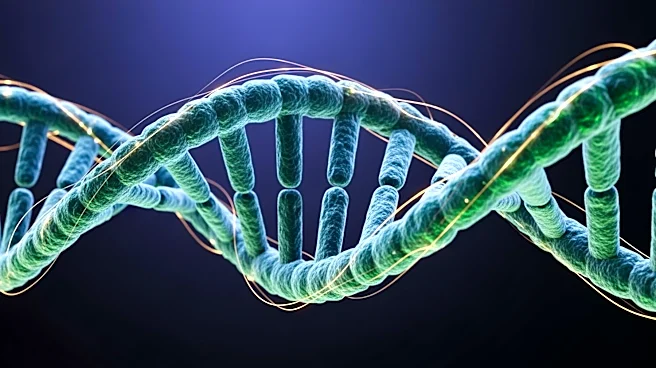
these tau clumps can reactivate transposable DNA elements within neurons, leading to cell death. The research utilized genetically engineered mice, known as PS19 mice, which exhibit abnormal tau aggregation similar to that seen in Alzheimer's patients. The study found that tau aggregates disrupt heterochromatin, a tightly packed form of DNA, leading to the activation of genes that produce Z-RNAs. These Z-RNAs then activate Z-DNA-binding protein 1 (ZBP1), which is involved in inflammation and cell death. The findings suggest that inhibiting ZBP1 could be a potential therapeutic strategy to combat neurodegeneration in tauopathies.
Why It's Important?
The study's findings are significant as they provide a deeper understanding of the molecular processes leading to neuronal death in Alzheimer's disease, a major cause of cognitive decline in the aging population. By identifying the role of tau aggregates in reactivating harmful genetic elements, the research opens new avenues for therapeutic interventions. The potential to inhibit ZBP1 activity offers hope for developing treatments that could slow or prevent the progression of Alzheimer's and other tau-related neurodegenerative diseases. This could have a profound impact on public health, given the increasing prevalence of Alzheimer's disease and the current lack of effective treatments.
What's Next?
Future research is likely to focus on validating these findings in human subjects and exploring the development of drugs that can effectively inhibit ZBP1 activity. If successful, such treatments could significantly alter the landscape of Alzheimer's disease management, providing new hope for patients and their families. Additionally, further studies may investigate other potential therapeutic targets within the tau aggregation pathway, aiming to develop a comprehensive approach to treating tauopathies.
Beyond the Headlines
The study highlights the complex interplay between genetic elements and protein aggregates in neurodegenerative diseases, emphasizing the need for a multidisciplinary approach to research and treatment. The ethical implications of genetic manipulation in research, as well as the potential for personalized medicine approaches, are important considerations as the field advances. Long-term, this research could contribute to a paradigm shift in how neurodegenerative diseases are understood and treated, moving towards more targeted and effective interventions.