




What's Happening?
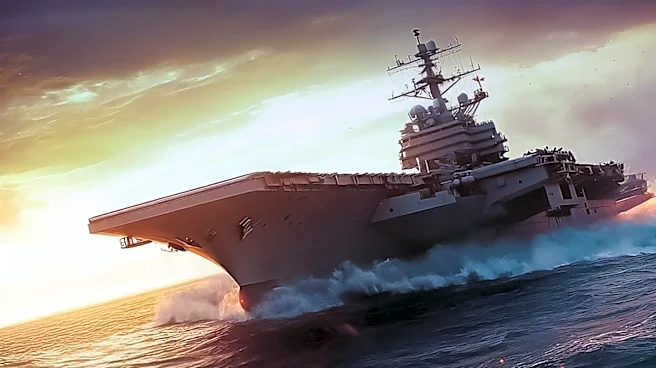
Black community leaders, including the NAACP, have strongly criticized reported internal discussions within the U.S. Navy to name an upcoming aircraft carrier, CVN-81, after President Trump instead of World War II hero Doris Miller. The Navy had previously
announced in 2020, during the first Trump administration, its intention to name the fourth vessel in the new Gerald R. Ford-class carriers after Miller. Doris Miller, a Black enlisted sailor, displayed extraordinary heroism during the attack on Pearl Harbor in 1941, saving wounded sailors and manning an anti-aircraft gun despite lacking formal training. Derrick Johnson, president of the NAACP, called the reported potential name change a 'slap in the face to every war hero and to every service member who has worn the uniform.' Prominent civil rights attorney Ben Crump also condemned the move, stating it is not how heroes should be treated. The White House referred questions to the Pentagon, and U.S. Navy and Pentagon officials declined to comment on the reports from CNN and NBC News.
Why It's Important?
This controversy highlights a significant cultural and political debate regarding national recognition and historical representation within the U.S. military. Naming a naval vessel, particularly an aircraft carrier, is a profound honor that symbolizes national values and historical memory. The initial decision to name the carrier after Doris Miller was seen as a crucial step towards acknowledging the contributions and sacrifices of African Americans in U.S. military history, especially given the historical context of racial discrimination within the armed forces. Miller's actions at Pearl Harbor, for which he received the Navy Cross but was denied the Medal of Honor, have long been a symbol of unacknowledged heroism. A potential reversal of this decision could be perceived as undermining efforts to promote diversity and inclusion, and could reignite discussions about systemic racism and historical injustices within national institutions. It also underscores the political influence on military honors and the symbolic power of such designations.
What's Next?
The Navy is expected to finalize the name of CVN-81 ahead of its keel-laying ceremony at the end of 2026, with the carrier itself projected to be finished by 2034. The reported discussions suggest that while the Navy may name another warship after Miller and recommend him for the Medal of Honor, the primary carrier might still be considered for President Trump. This situation will likely continue to draw strong reactions from civil rights organizations, political figures, and the public. Advocates for Miller will likely intensify their efforts to ensure the original naming plan is upheld, potentially leading to further public campaigns and political pressure. The decision will be closely watched as a barometer of how the U.S. chooses to honor its heroes and represent its diverse history.
Beyond the Headlines
The debate over the aircraft carrier's name extends beyond a simple naming convention; it touches upon the broader narrative of American heroism and who gets to define it. The push to honor Doris Miller reflects a long-standing effort to rectify historical omissions and biases in national recognition. His story embodies the struggle for racial equality and the often-overlooked contributions of Black service members. If the name is indeed changed, it could set a precedent for how future military honors are decided, potentially prioritizing political figures over historical figures who represent broader societal values and sacrifices. This situation also raises questions about the autonomy of military institutions in making such decisions versus political influence, and the ongoing challenge of reconciling historical injustices with contemporary national identity. The symbolic weight of a naval vessel's name can profoundly impact public perception and national unity.