




What's Happening?
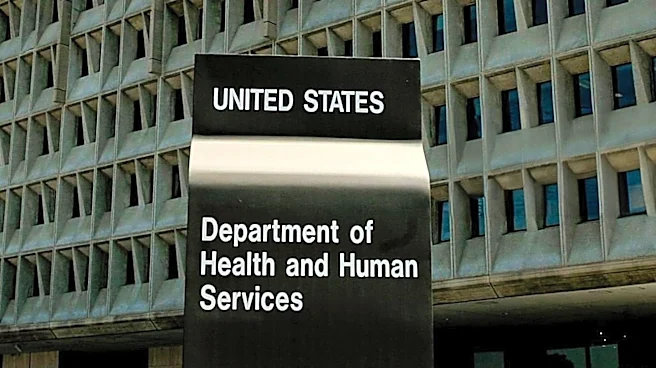
Hector “Alessandro” Negrete, an undocumented immigrant who voluntarily moved to Guadalajara, Mexico, in September 2025, has been issued a $1.8 million civil penalty by the Department of Homeland Security (DHS). The fine, citing a 2009 deportation order,
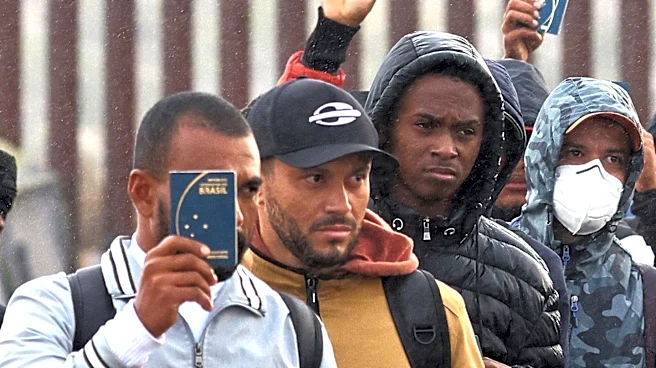
amounts to $998 per day for his failure to depart the U.S. for over five years. Negrete, who had lived in the U.S. since he was three months old, decided to leave due to increasing immigration enforcement fears and declining work opportunities during the second Trump administration. He is one of over 100,000 undocumented immigrants who have received such fines, totaling more than $84 billion, since the beginning of the second Trump administration. DHS states that these fines can be forgiven if individuals use the CBP One app to leave the country, offering a free flight home and a $2,600 'exit bonus.' Negrete's lawyers have appealed the fine twice, providing evidence of his departure, but DHS has deemed it insufficient, partly because he drove across the border rather than flying directly.
Why It's Important?
This development highlights the Trump administration's aggressive approach to immigration enforcement, utilizing financial penalties as a tool to compel undocumented immigrants to leave the U.S. Critics, including legal non-profit Public Justice, argue that these fines are being weaponized to financially and psychologically pressure immigrants, many of whom are pursuing lawful status or have long-standing ties to the U.S. The imposition of such substantial fines, often reaching $1.8 million, disproportionately affects working-class individuals who cannot afford to pay. This policy raises questions about the constitutionality of excessive fines and the government's interpretation of 'willfully' failing to depart. The fines also create significant anxiety and uncertainty for individuals like Negrete, who, despite having left the country, face potential wage garnishment or asset seizure if the government pursues collection efforts. This strategy could deter future voluntary departures and further strain the relationship between immigrant communities and federal agencies.
What's Next?
Negrete's legal team is preparing another submission to DHS, including a passport stamp from another country, to further prove his departure. A lawsuit challenging the DHS fines, filed last November in Massachusetts on behalf of two women, is currently awaiting a judge's ruling on a request for a stay, which would prevent the government from imposing or enforcing the fines during litigation. This ruling is expected in the coming weeks or months and could significantly impact the broader application of these penalties. Meanwhile, DHS continues to issue these fines, and the government has filed over 50 lawsuits against fine recipients to date. Undocumented individuals considering leaving the U.S. are strongly advised to consult an immigration attorney to understand potential legal ramifications and ensure proper documentation of their departure to avoid similar penalties.
Beyond the Headlines
The use of massive financial penalties against individuals who have already left the country, or are attempting to regularize their status, reveals a deeper strategy of deterrence and punishment within U.S. immigration policy. This approach, characterized by some as 'terrorizing families,' extends beyond physical detention and deportation to economic coercion. The regulatory changes implemented in June 2025, which reduced appeal periods and transferred appeal processes to DHS, suggest a deliberate effort to streamline and intensify enforcement. This policy also raises ethical concerns about the government's responsibility to provide clear and accessible pathways for individuals to comply with immigration laws, especially when many have lived in the U.S. for decades and contributed to its economy. The long-term implications could include a chilling effect on immigrant communities, increased distrust of government agencies, and a potential re-evaluation of what constitutes 'humane' immigration enforcement.