



What's Happening?
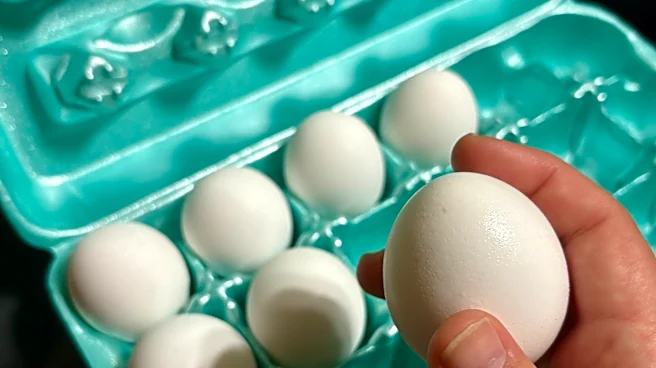
A Ramona egg rancher, Happy Hens owner Chloe Nevarez, is disputing the findings of the San Diego County Public Health department, which linked her farm's unpasteurized eggs to a salmonella outbreak. County health officials announced that 22 people became
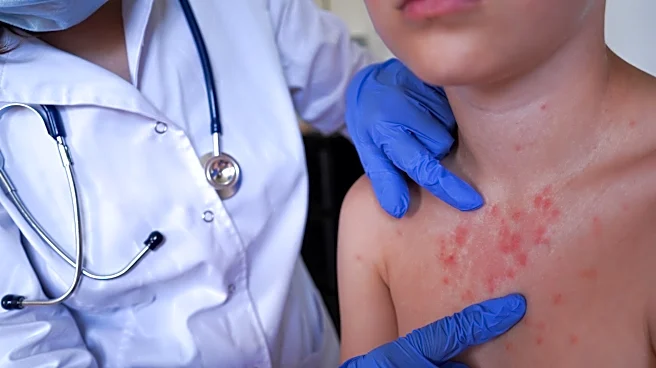
sick and seven were hospitalized, with investigators connecting the illnesses to unpasteurized Happy Hens eggs used to make mayonnaise at the Ramona Family Naturals Market. Nevarez questions the methodology of the investigation, stating that while nine individuals who fell ill had the same genotyping for salmonella, the health department did not obtain a test sample directly from her farm. She argues there is no direct connection between her farm and the illnesses, and she is confident in the safety of her farm's eggs, even consuming them raw herself. The county's response to inquiries did not specify the evidence used to link Happy Hens to the outbreak, and Nevarez also noted that the mayonnaise in question was not tested.
Why It's Important?
This dispute highlights potential challenges in public health investigations, particularly when a business's reputation and livelihood are at stake. For consumers, it raises questions about food safety and the transparency of outbreak investigations. The incident could impact consumer trust in local food producers and unpasteurized products, even those marketed as healthy or organic. For Happy Hens, a company that prides itself on providing organic, outdoor-raised eggs to health-conscious consumers across Southern California, the financial implications are significant, with Nevarez reporting thousands of dollars in losses. The lack of a clear, publicly stated evidentiary link by the county, as alleged by Nevarez, could lead to public skepticism regarding the thoroughness of the investigation and its conclusions, potentially affecting how similar outbreaks are perceived and handled in the future.
What's Next?
The investigation into the salmonella outbreak is ongoing, with San Diego County working with state, food, and agriculture officials, as well as the California Department of Public Health. While all known cases are currently confined to San Diego County, the county's Health and Human Services Agency spokesperson, Tim McClain, stated that cases have been connected to both the market and the egg farm. Happy Hens owner Chloe Nevarez is seeking more clarity and evidence from the health department to understand the basis of their findings. There has been no recall of Happy Hens eggs to date. The Ramona Family Naturals Market, where the mayonnaise was made, has stated that the results are not conclusive and they are cooperating with the health department. Further developments may include the release of more specific evidence by health officials or continued efforts by Happy Hens to clear its name.
Beyond the Headlines
This incident touches upon broader themes of food safety regulations, the challenges faced by small-scale and organic food producers, and the public's perception of risk associated with certain food practices. The use of unpasteurized eggs, while favored by some for perceived health benefits, carries inherent risks of bacterial contamination, as evidenced by this salmonella outbreak. The dispute also underscores the importance of clear communication and robust evidence in public health investigations to maintain public trust and ensure fair treatment of businesses. The case could prompt discussions about stricter regulations or clearer guidelines for the use of raw ingredients in food preparation, especially in commercial settings, and how health departments communicate their findings to both affected businesses and the public.