





What's Happening?
The FIFA World Cup 2026 is showcasing a significant cultural impact on global music, with a diverse lineup of artists contributing to the event's soundtrack. The tournament, which has historically featured iconic anthems, continues to blend various musical
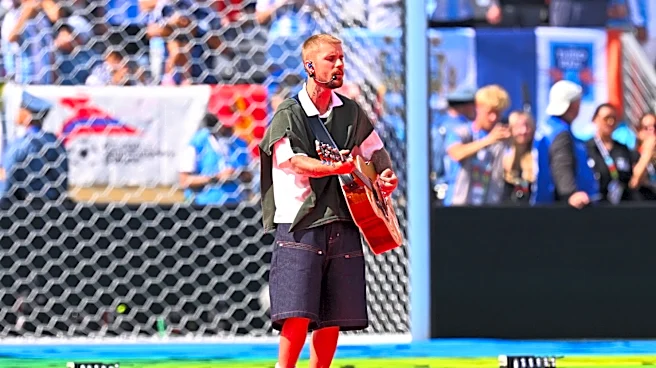
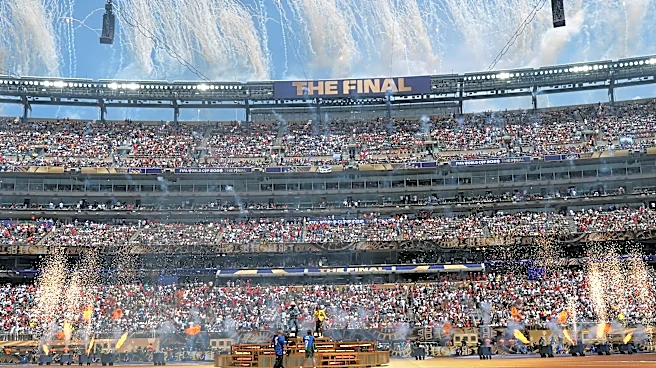
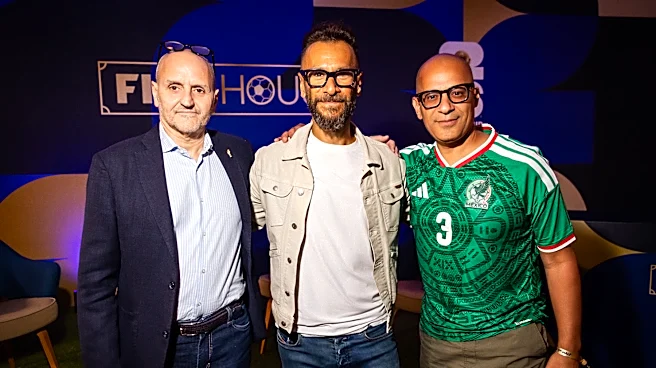
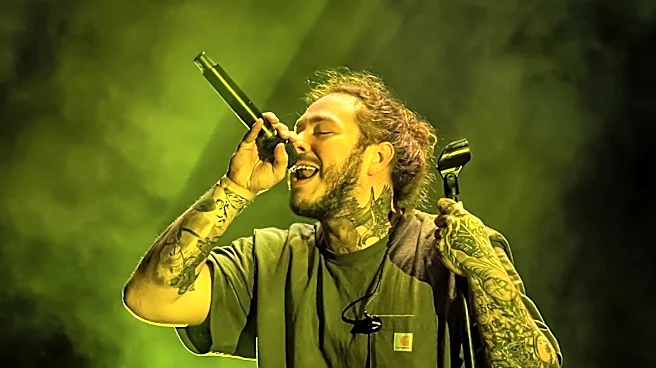
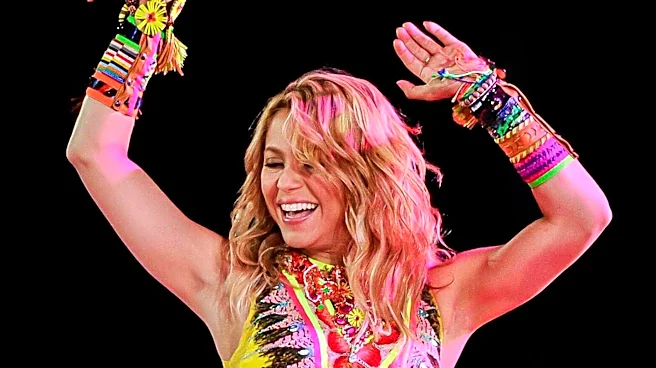
genres, reflecting the global nature of the event. This year, the World Cup has released an official album featuring artists from K-pop, American country music, Nigerian rap, and more. The final match will include performances by Shakira, Madonna, BTS, and Justin Bieber, with Post Malone headlining the closing ceremony. The integration of music into the World Cup aims to create a universal experience that transcends language barriers, as highlighted by industry leaders during a panel discussion at the FIFA House in New York.
Why It's Important?
The integration of diverse music genres into the FIFA World Cup underscores the event's role as a global cultural phenomenon. By featuring artists from various backgrounds, the World Cup not only enhances the fan experience but also promotes cultural exchange and understanding. This approach can potentially increase viewership and engagement, attracting audiences who may not traditionally follow soccer. The collaboration between FIFA and the music industry also highlights the economic opportunities for artists and record labels, as the event provides a platform for global exposure and potential revenue from music sales and streaming.
What's Next?
As the World Cup continues to evolve, the collaboration between sports and music is likely to deepen, with future tournaments potentially exploring new ways to integrate music into the fan experience. This could include more interactive and immersive musical experiences, leveraging technology to engage audiences both in-stadium and online. Additionally, the success of the World Cup's musical integration may inspire other major sporting events to adopt similar strategies, further blurring the lines between sports and entertainment.