



What's Happening?
The World Meteorological Organization (WMO) is actively seeking a Weather Radar Site Technical Assessment Consultant for Jamaica. This consultancy is part of the 'Strengthening Hydro-Meteorological and Multi-Hazard Early Warning Services in the Caribbean
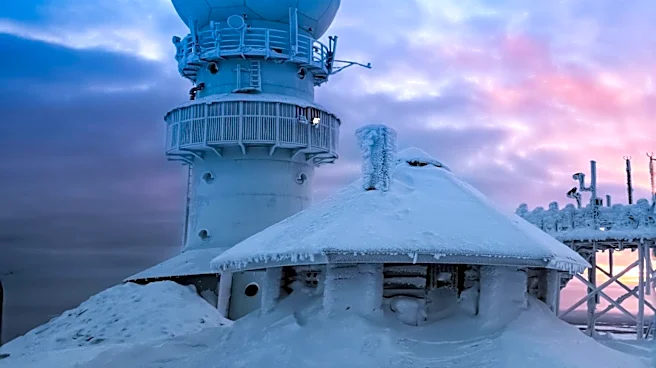
– Phase 2 (CREWS Caribbean 2.0)' project. The selected consultant will conduct a comprehensive technical assessment of Jamaica’s existing weather radar capabilities. This includes evaluating current radar hardware, software, infrastructure, operational performance, site suitability, coverage, maintenance arrangements, and human-resource capacity. The assessment will also compare options for repairing, rehabilitating, relocating, or replacing the existing radar, as well as considering the addition of an extra radar or a phased approach. The goal is to provide evidence-based recommendations to the Jamaican government for future investment and resource mobilization to enhance the nation's weather radar and early warning systems. The consultancy is for 20 days over two months, with a field mission to Jamaica, and the application deadline is September 6, 2026.
Why It's Important?
This initiative is crucial for strengthening Jamaica's meteorological, hydrological, and multi-hazard early warning systems, particularly in monitoring hurricanes, intense rainfall, severe convective weather, and other high-impact hydro-meteorological hazards. For the U.S., improved weather forecasting and early warning systems in the Caribbean, especially for hurricanes, have direct implications. The Caribbean region is a primary pathway for many hurricanes that eventually impact the U.S. East Coast and Gulf Coast. Enhanced radar capabilities in Jamaica mean better tracking and prediction of these powerful storms, providing more accurate and timely warnings for U.S. coastal communities. This can lead to more effective preparedness, evacuation efforts, and ultimately, a reduction in loss of life and property damage in the U.S. Furthermore, the project aligns with broader international efforts to combat climate change impacts, which disproportionately affect small island developing states and have ripple effects on global weather patterns and disaster response strategies.
What's Next?
The immediate next step is the selection and engagement of the Weather Radar Site Technical Assessment Consultant by the WMO. Following this, the consultant will undertake a comprehensive desk review and a field-based technical assessment in Jamaica, including visits to the existing radar location and potential alternative sites. Key deliverables will include an Inception Report, a Draft Technical Assessment Report, and a Final Technical Assessment Report with prioritized recommendations. The consultant will also present the final findings to relevant stakeholders. These recommendations will then serve as a technical foundation for the Jamaican government's decision-making process regarding future investments in its weather radar infrastructure. This will likely involve securing funding, potentially from international partners or development banks, to implement the recommended upgrades or replacements, thereby enhancing Jamaica's resilience to extreme weather events and contributing to regional weather security.
Beyond the Headlines
Beyond the immediate goal of upgrading Jamaica's weather radar, this WMO initiative highlights the critical role of international cooperation in addressing global climate challenges. The interconnectedness of weather systems means that improvements in one region, such as the Caribbean, can have far-reaching benefits, including for the U.S. It also underscores the growing importance of robust early warning systems as climate change intensifies the frequency and severity of extreme weather events. The project's focus on technical assessment and evidence-based decision-making sets a precedent for other vulnerable nations. Furthermore, the emphasis on human resource capacity building within the consultancy's scope suggests a long-term vision for sustainable meteorological services, ensuring that the technology is not only implemented but also effectively operated and maintained by local experts. This holistic approach is vital for building true climate resilience in affected regions.