

What's Happening?
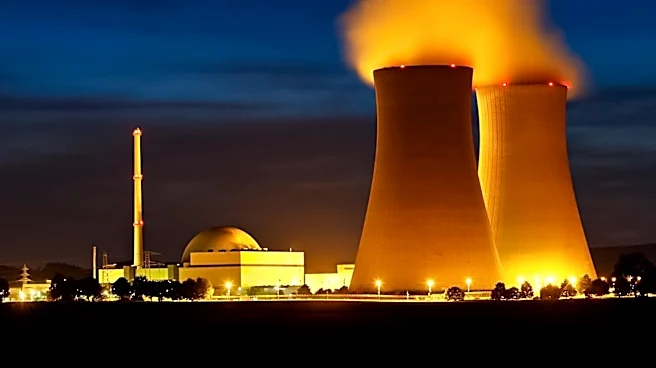
Nuclear energy, often viewed with mixed perceptions due to past disasters like Chernobyl and Fukushima, is being re-evaluated as a potential solution to climate change and growing electricity demands. The fundamental process of nuclear power involves
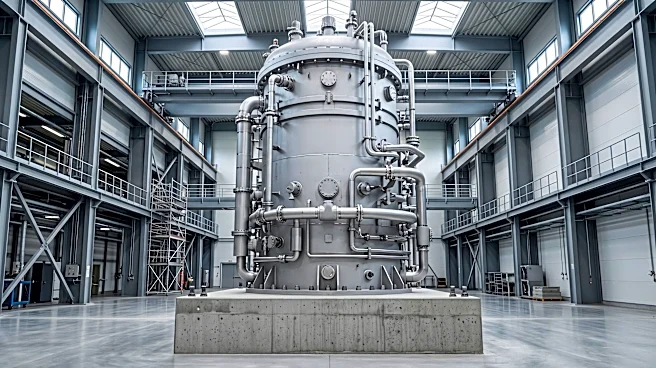
controlled fission reactions to generate electricity, where nuclear energy produces heat, which then creates steam to drive a turbine connected to a generator. Different countries have developed various reactor designs, such as Canada's CANDU reactor and France's pressurized water reactors, demonstrating the evolution of nuclear technology. Modern nuclear power plants utilize complex engineering systems, including control rods, coolants, pressurizers, and containment structures, to ensure safety and control the fission chain reaction. Despite its high energy density and reliability—U.S. nuclear fleets had an average annual capacity factor of approximately 91% in 2025—concerns persist regarding safety, cost, and radioactive waste management. Newer reactor designs, including small modular reactors (SMRs) and those with passive safety systems, aim to address some of these challenges by reducing risks and improving efficiency.
Why It's Important?
Reconsidering nuclear energy is crucial for the U.S. and global efforts to combat climate change and ensure energy security. Nuclear power produces electricity with low life-cycle greenhouse gas emissions, making it a viable option for reducing carbon footprints when it displaces fossil fuel generation. Its high capacity factor provides consistent, reliable baseload power, which can complement intermittent renewable sources like solar and wind, contributing to a stable and diversified electricity grid. The development of advanced reactor technologies, such as SMRs and designs with enhanced passive safety features, could make nuclear power more economically viable, safer, and easier to deploy, potentially overcoming some of the historical barriers to its expansion. For U.S. industries and consumers, a robust nuclear sector could mean more stable energy prices, reduced reliance on volatile fossil fuel markets, and significant progress towards national decarbonization goals. Addressing the challenges of waste management and public perception through transparent communication and technological advancements is key to unlocking nuclear energy's full potential.
What's Next?
The future of nuclear energy in the U.S. will depend on several factors, including construction costs, project delays, regulatory requirements, fuel supply, waste management solutions, and public confidence. Engineers are actively exploring and developing newer reactor technologies like SMRs, which are designed for smaller generating capacities and factory manufacturing, potentially reducing construction times and costs. The evaluation of these proposed advantages through testing, licensing, construction, and real-world operation will be critical. Additionally, the lifespan of existing nuclear power plants is being extended through license renewals, subject to regulatory approval and safety evaluations, which can help spread initial construction costs over longer periods. Public education and transparent communication about nuclear technology, newer reactor designs, and robust waste management plans will be essential to build public trust and support for future nuclear projects. The ongoing debate will focus on how society can responsibly develop and utilize nuclear energy alongside other sources to build a cleaner and more reliable electricity future.
Beyond the Headlines
Beyond its role in electricity generation, nuclear energy's potential extends to broader societal and economic impacts. The development of advanced reactors could spur innovation in materials science, engineering, and manufacturing, creating high-skilled jobs and fostering technological leadership. The ability of some advanced reactors to produce high-temperature process heat could revolutionize industrial sectors, enabling decarbonization in hard-to-abate industries like chemical production, steelmaking, and hydrogen generation, which currently rely heavily on fossil fuels. Addressing the long-term challenge of radioactive waste disposal is not just a technical problem but also an ethical and societal one, requiring intergenerational responsibility and robust, secure solutions. The public perception of nuclear energy, often shaped by historical events, needs to evolve through accurate information and demonstrated safety performance. A renewed focus on nuclear energy could also influence geopolitical dynamics, as nations seek energy independence and climate leadership, potentially leading to new international collaborations and standards for nuclear safety and security.