



What's Happening?
President Trump is attempting to redirect public attention to the economy amidst growing criticism over his administration's policies. Despite his claims of economic success, several indicators suggest a complex economic landscape. Stocks are at record
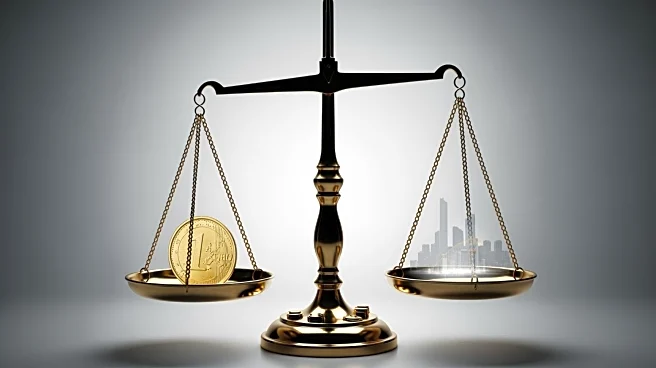
highs, yet consumer confidence is at its lowest since 2014. The labor market remains stagnant, and inflation rates have not significantly changed since Trump took office. The U.S. dollar is weakening, while gold and silver prices are surging, reflecting investor anxiety. Trump's tariff policies, often unpredictable, have contributed to market volatility, with the S&P 500 maintaining high levels despite these uncertainties.
Why It's Important?
The economic situation under President Trump is marked by contradictions that could have significant implications for U.S. industries and global markets. The high stock market contrasts with low consumer confidence, indicating potential instability. The weakening dollar could affect international trade, making U.S. exports more competitive but also signaling reduced investor confidence in U.S. economic policies. The labor market's stagnation could impact consumer spending and economic growth. Trump's tariff policies, which have been inconsistent, add to the uncertainty, affecting business planning and investment decisions.
What's Next?
Future economic developments will likely depend on the administration's policy decisions, particularly regarding tariffs and trade. Businesses and investors will be closely monitoring any changes in these areas. The upcoming election cycle may also influence economic strategies and public perception. Stakeholders, including political leaders and business executives, will need to navigate these uncertainties to maintain economic stability and growth.