




What's Happening?
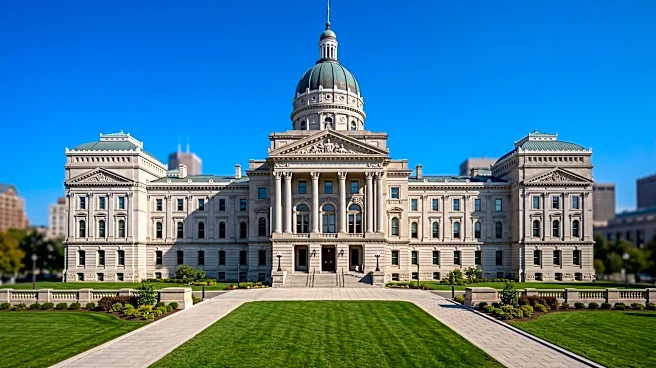
Lawmakers in northwest Indiana are planning to introduce legislation in the upcoming session of the Indiana General Assembly to ensure that workers locked out by their employers are automatically eligible for unemployment benefits. This initiative is a direct
response to the ongoing lockout of over 800 union workers at the BP Whiting Refinery, which has been in effect since mid-March amidst contract negotiations between BP and the United Steelworkers Local 7-1. Democratic State Sen. Rodney Pol of Chesterton stated that the bill aims to clarify a 'gray area' in current state law, which requires a union and employer to be at an impasse and have exhausted all bargaining options before locked-out workers can receive unemployment benefits. Although an administrative law judge for the Indiana Department of Workforce Development initially approved benefits for the union workers, BP has filed an appeal to deny these benefits and potentially reclaim those already disbursed. USW 7-1 President Eric Schultz criticized BP's appeal as a 'manipulative tactic.' Additionally, Congressman Frank Mrvan, D-Ind., has introduced the PRO-WORK Act at the federal level, which would prohibit companies that lock out their workers from receiving federal funds or tax credits.
Why It's Important?
This proposed legislation in Indiana is crucial for protecting the financial stability of workers during labor disputes where they are locked out by their employers. Currently, the ambiguity in state law can leave workers without income for extended periods, as evidenced by the BP Whiting Refinery situation where workers have been without paychecks and benefits for seven months. Ensuring automatic eligibility for unemployment benefits would provide a vital safety net, preventing severe financial hardship for families affected by lockouts. The federal PRO-WORK Act, introduced by Congressman Mrvan, further amplifies this protection by disincentivizing companies from locking out employees through the threat of losing federal contracts and tax credits. This dual approach at both state and federal levels highlights a growing recognition of the need to safeguard workers' rights and economic well-being during industrial actions, shifting the balance of power in labor negotiations. The outcome of this legislation could set a precedent for how other states and the federal government address similar labor disputes, potentially strengthening worker protections nationwide.
What's Next?
The proposed bill will be introduced in the next session of the Indiana General Assembly, authored by State Sen. Rodney Pol and State Rep. Chuck Moseley, with support from State Senate candidate Scott Houldieson and State House candidate Ryan Kominakis. The legislators and candidates have expressed their commitment to fighting for the 800+ USW families to receive their benefits. A hearing with the DWD’s administrative law judge regarding BP’s appeal is scheduled for October 16, which will be a critical juncture for the locked-out workers. The outcome of this appeal could significantly influence the urgency and shape of the state legislation. At the federal level, the PRO-WORK Act introduced by Congressman Frank Mrvan will proceed through the legislative process, aiming to prevent companies that lock out workers from doing business with the federal government. The ongoing contract talks between BP and the United Steelworkers Local 7-1 will also continue, with both sides having expressed optimism in mid-September, though a deal has yet to be reached. These developments will collectively determine the future support and protections for locked-out workers.
Beyond the Headlines
The situation at the BP Whiting Refinery and the legislative responses highlight a deeper tension between corporate power and labor rights in the U.S. The act of locking out workers, as opposed to a strike, places employees in a precarious position, often without the immediate eligibility for unemployment benefits that striking workers might eventually access. BP's appeal to deny benefits, despite an administrative law judge's approval, underscores the aggressive tactics sometimes employed by corporations during labor disputes. This scenario brings to light the ethical responsibilities of large corporations towards their workforce and the communities they operate in. The proposed legislation, both state and federal, seeks to rebalance this power dynamic, ensuring that companies cannot use lockouts as a cost-cutting or negotiation strategy without facing significant consequences. It also raises questions about the adequacy of existing labor laws in protecting workers in an evolving economic landscape, where automation and outsourcing are increasingly prevalent. The broader implication is a potential shift towards stronger governmental intervention to safeguard worker welfare and promote fairer labor practices.