






What's Happening?
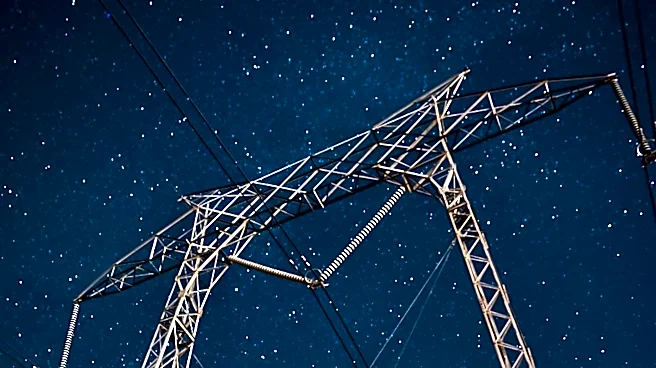
Michigan's two largest utilities, DTE Energy and Consumers Energy, are seeking significant electric rate increases, drawing attention as the 2026 election approaches. DTE Energy has requested a $474 million electric rate hike, following a $242 million approval
just months prior, and a separate $75 million natural gas rate increase that took effect on October 1. Consumers Energy is also pursuing a $456 million electric rate increase. If approved in full, Consumers Energy estimates that the average residential customer, currently paying about $155 per month, would see an increase of approximately $13 per month starting in May 2027. The Michigan Public Service Commission has until April 2027 to decide on Consumers' request and until February 2027 for DTE's. Energy policy analyst Sarah Montalbano of Always On Energy Research notes that rising energy costs are a top priority for many voters this year.
Why It's Important?
These proposed rate hikes by DTE Energy and Consumers Energy are significant for Michigan residents and businesses, potentially increasing the financial burden on millions of customers. Consumers Energy serves approximately 1.9 million electricity customers, and DTE Energy serves about 2.3 million. The increases could impact household budgets, making electricity less affordable, and could also affect the operational costs for businesses across the state. The timing of these requests, coinciding with the 2026 election cycle, elevates energy costs as a critical political issue, influencing voter sentiment and potentially shaping policy debates. The analyst's observation that a substantial portion of these rate requests is intended to fund intermittent sources like wind and solar, along with a large battery center, highlights the ongoing discussion about the cost-effectiveness and reliability of renewable energy investments and how these are financed through consumer rates.
What's Next?
The Michigan Public Service Commission is tasked with reviewing and making final decisions on these rate hike requests. They have until February 2027 for DTE Energy's request and April 2027 for Consumers Energy's. There will be no immediate impact on customer bills until these requests are approved. The scrutiny from energy policy analysts, like Sarah Montalbano, suggests that the commission's decisions will be closely watched, particularly regarding how the requested funds are allocated and whether they genuinely contribute to affordable and reliable energy. The political spotlight on rising energy costs during the 2026 election means that public and political pressure on the commission and the utilities will likely intensify. The outcome of these decisions will set precedents for future energy infrastructure investments and the distribution of costs between utilities and consumers in Michigan.
Beyond the Headlines
The debate surrounding Michigan's proposed utility rate hikes extends beyond immediate cost concerns to fundamental questions about energy policy, infrastructure investment, and the transition to renewable energy. The utilities argue these hikes are necessary for reliable service, while critics question the allocation of funds, particularly towards intermittent sources like wind and solar. This situation underscores a broader national challenge: how to finance the modernization and decarbonization of the energy grid without disproportionately burdening consumers. It highlights the tension between long-term environmental goals and short-term economic pressures. The outcome in Michigan could influence how other states approach similar energy transitions, particularly regarding the transparency and justification of utility rate increases and the public's role in scrutinizing these decisions. It also brings to light the complex interplay between regulatory bodies, utility companies, and public interest groups in shaping the future of energy.