
What's Happening?
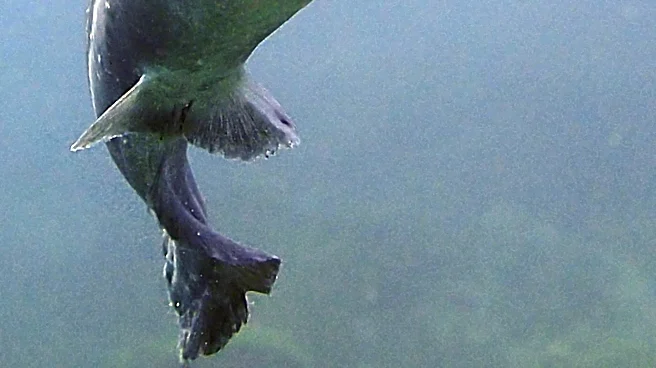
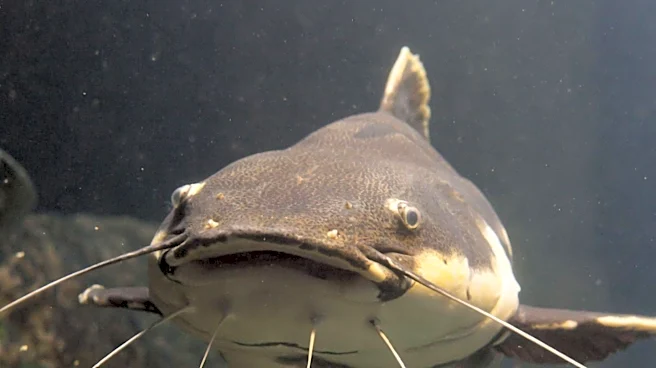
Researchers have identified a transmissible melanoma in the brown catfish (Ameiurus nebulosus), marking the first documented case of contagious cancer in fish and in a freshwater ecosystem. The discovery
was made after an unusually high number of catfish with black lesions were found in Lake Memphremagog, which straddles Vermont and Quebec. Genetic analyses revealed that the tumors shared a genetic identity distinct from their hosts, indicating a transmissible clonal cancer. This finding challenges previous assumptions about the origins of the cancer, initially thought to be linked to environmental pollutants.
Why It's Important?
The discovery of contagious cancer in catfish has significant implications for environmental health and aquatic ecosystems. It raises concerns about the potential spread of the disease and its impact on fish populations and biodiversity. The findings may prompt further research into the environmental factors contributing to the spread of such diseases and the role of climate change in altering aquatic ecosystems. This case highlights the need for increased monitoring and conservation efforts to protect freshwater habitats and the species that inhabit them.
What's Next?
Researchers will likely continue to study the genetic and environmental factors contributing to the spread of this cancer in catfish. Conservationists and environmental agencies may implement measures to monitor and manage the health of aquatic ecosystems, particularly in areas affected by pollution or climate change. The findings could lead to new guidelines for managing fish populations and preventing the spread of transmissible diseases in aquatic environments.