





What's Happening?
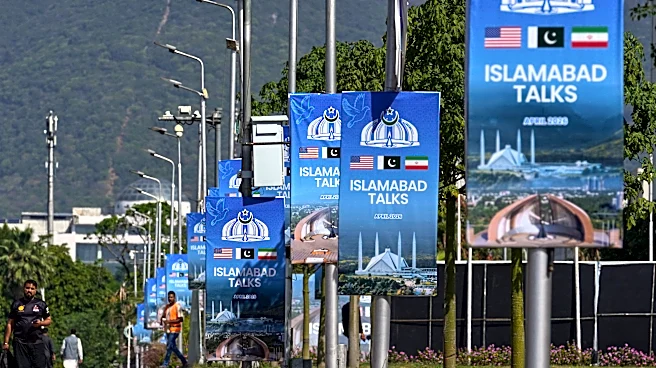
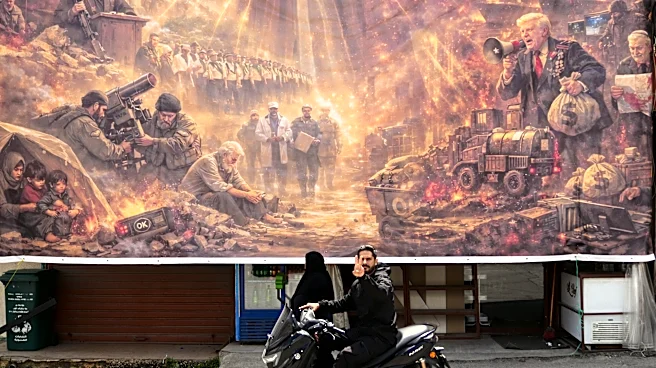
A U.S. delegation, led by Vice President JD Vance, was scheduled to depart for Islamabad for peace talks with Iran as a two-week ceasefire nears expiration. However, the departure has been delayed due to uncertainty about Iran's participation in the talks.
President Trump announced an indefinite extension of the ceasefire, reversing his earlier stance of resuming military action if no deal was reached. The extension aims to allow more time for diplomatic efforts, with Pakistan mediating the talks. Iran has expressed readiness to negotiate but demands the lifting of a U.S. naval blockade as a condition for further discussions.
Why It's Important?
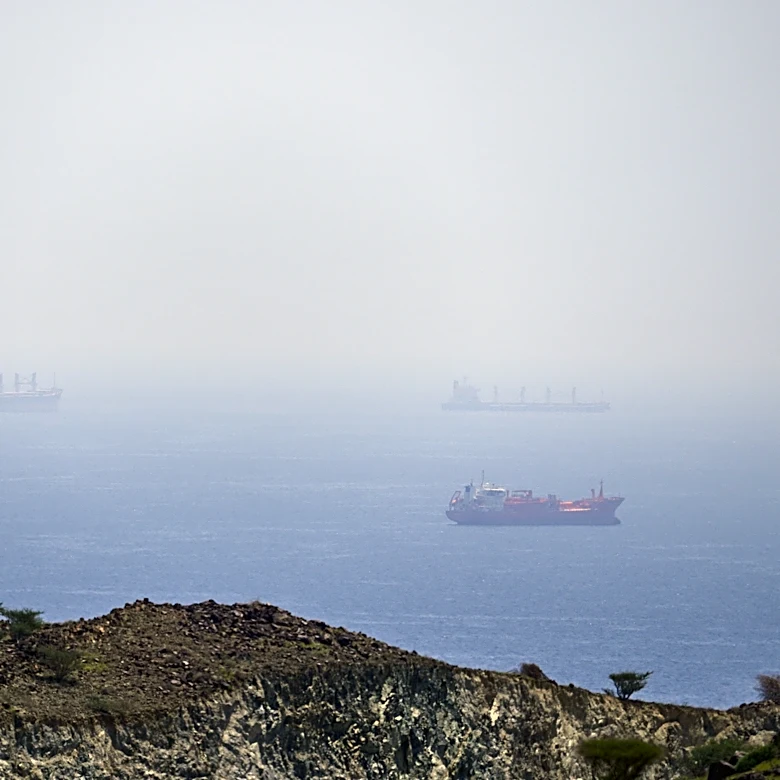
The extension of the ceasefire and the delay in talks highlight the complexities of U.S.-Iran relations and the challenges in reaching a diplomatic resolution. The situation has significant implications for global energy markets, as tensions in the Strait of Hormuz affect oil prices and supply. The U.S. administration's approach to the negotiations reflects a balancing act between maintaining pressure on Iran and avoiding further escalation. The outcome of these talks could impact regional stability and U.S. foreign policy in the Middle East.
What's Next?
The next steps involve continued diplomatic efforts to bring Iran to the negotiating table and address the conditions for lifting the naval blockade. The U.S. and its allies will need to navigate the geopolitical dynamics and potential reactions from other regional players. The situation remains fluid, with both sides expressing willingness to negotiate but also preparing for potential military action if talks fail.