


What's Happening?
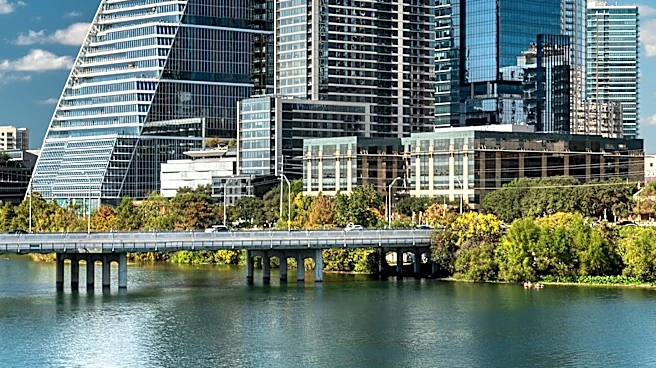
The city of Austin has announced a temporary ban on all activities on Lady Bird Lake, Lake Austin, and the Colorado River beneath the Longhorn Dam until 5 p.m. on Tuesday. This decision follows the opening of floodgates by the Lower Colorado River Authority
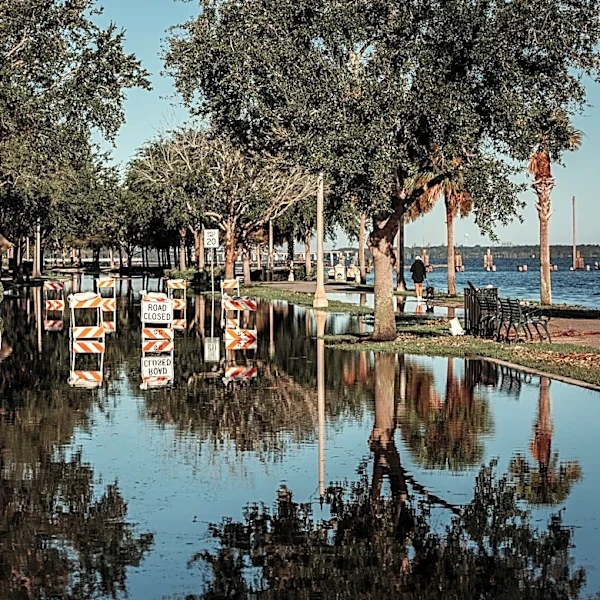
(LCRA) on dams within the Highland Lake reservoir system, which is located upriver of Austin. The floodgates are being opened to manage the surge of water resulting from recent storms, which have significantly increased water levels. The city has warned that the current water conditions, characterized by faster flows and increased debris, pose a hazard to recreational, commercial, and navigational activities. The ban applies to all personal and commercial watercraft, including wet bikes, motorized surfboards, canoes, kayaks, and paddleboards. Additionally, residents are advised to avoid riverfront trails that may be prone to flooding due to the elevated water levels.
Why It's Important?
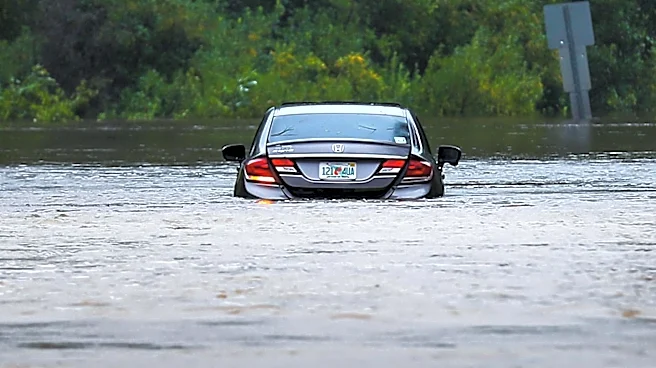
The temporary ban on waterway activities in Austin is a critical safety measure in response to the severe flooding risk posed by recent heavy rains. By opening the floodgates, the LCRA aims to prevent potential flooding in downtown Austin and other vulnerable areas. This action underscores the importance of proactive flood management strategies in urban areas, particularly in regions prone to extreme weather events. The ban affects a wide range of stakeholders, including local businesses that rely on water-based tourism and recreation, as well as residents who use these waterways for leisure. The decision highlights the ongoing challenges cities face in balancing public safety with economic activities, especially in the context of increasingly unpredictable weather patterns linked to climate change.
What's Next?
As the waterway ban remains in effect until Tuesday, city officials and the LCRA will continue to monitor water levels and weather conditions closely. The situation may require further adjustments to flood management strategies, depending on the volume of water passing through the system. Residents and businesses are advised to stay informed through official channels for updates on the ban and any potential extensions. The city may also need to assess the impact of the flooding on infrastructure and local ecosystems, which could lead to additional measures to mitigate future risks. The response to this event may prompt discussions on long-term flood prevention and climate resilience strategies in Austin and similar urban areas.