






What's Happening?
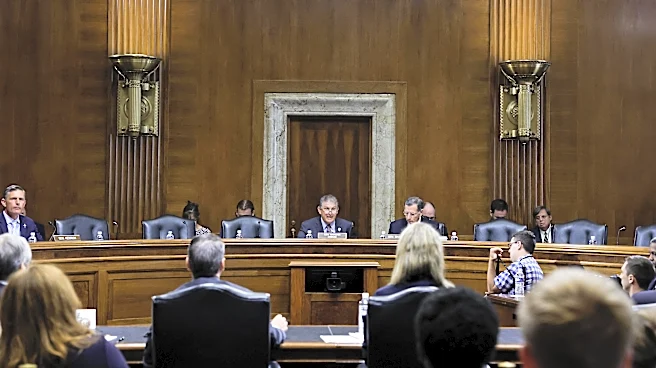
Senators Martin Heinrich (D-NM) and Bill Cassidy (R-LA) have introduced the Literacy Improvement for Transformation (LIFT) Act, a bipartisan bill aimed at improving literacy outcomes across the United States. The proposed legislation focuses on several
key areas to strengthen reading education. Specifically, the LIFT Act mandates that reading specialists dedicate at least 80% of their time to direct engagement with students and teachers. It also emphasizes ongoing professional development for these specialists to ensure they are equipped with the latest and most effective teaching methodologies. Furthermore, the bill prioritizes the hiring of reading specialists to support the lowest-performing students and those with disabilities, addressing critical needs within the education system. This initiative aligns with broader efforts to improve the science of reading in educational practices.
Why It's Important?
The introduction of the LIFT Act is significant for U.S. education, particularly for students struggling with literacy and those with disabilities. By ensuring reading specialists spend a majority of their time directly with students and teachers, the bill aims to provide more targeted and effective support where it is most needed. The focus on professional development for reading specialists is crucial for maintaining high standards of instruction and incorporating evidence-based reading strategies. Prioritizing support for the lowest-performing students and students with disabilities addresses a critical equity gap in education, potentially leading to improved academic outcomes and greater opportunities for these vulnerable populations. This bipartisan effort underscores a shared commitment to enhancing foundational literacy skills, which are essential for academic success and future workforce participation.
What's Next?
The LIFT Act will now proceed through the legislative process, requiring consideration and potential amendments in Congress. Its bipartisan nature suggests a higher likelihood of gaining traction and support. If passed, the bill would necessitate changes in how school districts allocate resources for reading specialists and how professional development programs are structured. Educational institutions and state education departments would need to adapt their hiring practices and training initiatives to comply with the act's provisions. Advocacy groups for students with disabilities and literacy organizations will likely monitor its progress closely and advocate for its passage, highlighting its potential to create a more inclusive and effective learning environment for all students.
Beyond the Headlines
Beyond its immediate impact on literacy programs, the LIFT Act reflects a growing national recognition of the importance of early literacy intervention and specialized support. This legislation could set a precedent for future educational policies that emphasize direct student engagement and continuous professional growth for educators. It also highlights the ongoing debate and evolving understanding of the 'science of reading' and how best to implement effective reading instruction. The bill's focus on students with disabilities underscores a broader societal commitment to inclusive education and ensuring that all students have access to the resources they need to succeed. The success of this act could lead to a re-evaluation of funding models and resource allocation in other specialized educational fields.