




What's Happening?
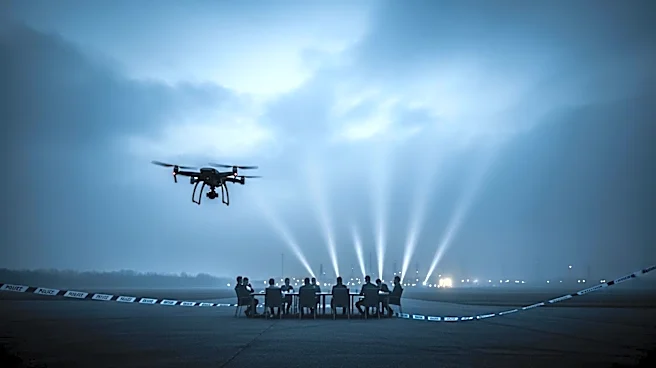
Ukraine's military has reported that Russia violated a recently announced Easter ceasefire more than 400 times. The ceasefire, which was supposed to last from April 11 to April 12, was breached through various military actions, including shelling and
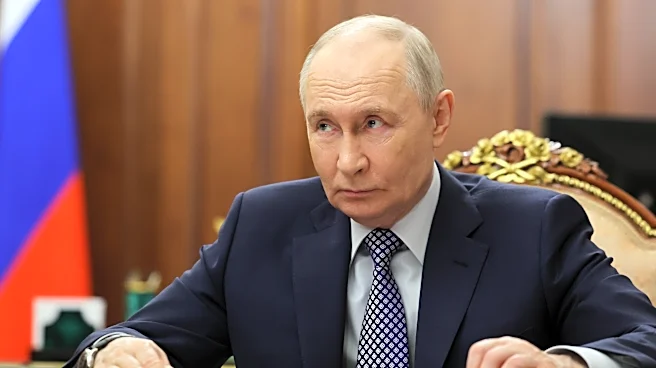
drone strikes. Ukraine's General Staff detailed numerous assaults and clashes along the front lines, with significant activity in the North and South Slobozhansk directions. Russian authorities, however, accused Ukraine of similar violations, claiming drone strikes in Russian regions. The ceasefire was initially proposed by Russian President Vladimir Putin, with Ukraine expressing willingness for a reciprocal truce.
Why It's Important?
The violations of the ceasefire highlight the ongoing volatility and complexity of the conflict between Russia and Ukraine. This situation underscores the challenges in achieving and maintaining peace agreements in conflict zones. The repeated breaches could exacerbate tensions and hinder diplomatic efforts aimed at conflict resolution. The international community may view these developments as a setback to peace initiatives, potentially influencing foreign policy and aid decisions. The situation also raises concerns about the humanitarian impact on civilians caught in the crossfire.
What's Next?
In response to the ceasefire violations, Ukraine may seek to bolster its defensive measures and engage in diplomatic efforts to address the breaches. The international community, including organizations like the United Nations, may call for renewed peace talks and increased monitoring of the situation. The ongoing conflict could lead to further sanctions or diplomatic actions against Russia, depending on the international response. Both sides may also face pressure to adhere to future ceasefire agreements to prevent further escalation.