









What's Happening?
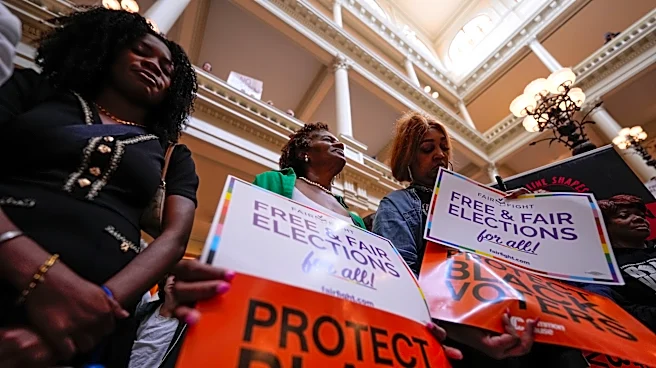
Georgia lawmakers have reconvened at the State Capitol for a special session called by Governor Brian Kemp, focusing on congressional redistricting. This session follows a recent U.S. Supreme Court ruling in April that may allow for significant changes
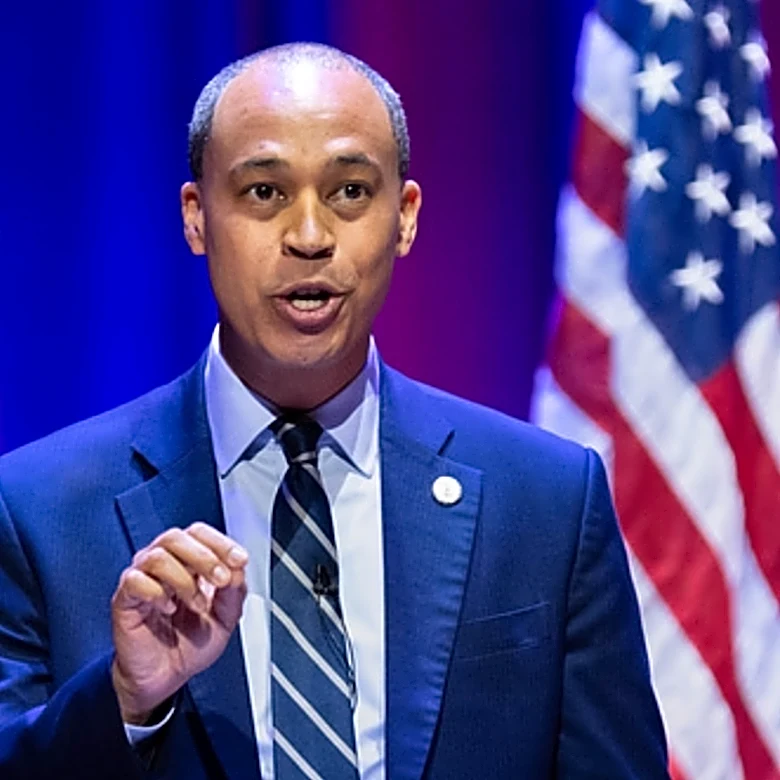
to the state's congressional, state House, and state Senate maps. The redistricting process is a critical political maneuver that can influence electoral outcomes by determining how district lines are drawn. State Representative Michelle Au has highlighted the impact of the previous redistricting process on her district, as lawmakers prepare to debate potential changes that could affect future elections. The session is expected to be a focal point for discussions on how to implement the Supreme Court's decision and its implications for Georgia's political landscape.
Why It's Important?
The redistricting process in Georgia is crucial as it can significantly alter the political balance within the state. Redistricting can affect the representation of communities and the overall political power dynamics by potentially favoring one party over another. The Supreme Court's ruling provides an opportunity for Georgia to reassess and possibly redraw its district maps, which could impact the upcoming elections. This session is particularly important for both major political parties as they seek to secure advantageous positions in future elections. The outcome of this redistricting process could influence not only state politics but also the composition of Georgia's representation in the U.S. Congress, thereby affecting national legislative decisions.
What's Next?
As Georgia lawmakers debate the redistricting changes, the next steps will involve detailed discussions and negotiations to finalize the new district maps. The process will likely involve public hearings and input from various stakeholders, including political parties, community groups, and civil rights organizations. The finalized maps will need to be approved by the state legislature and signed by the governor. Given the contentious nature of redistricting, legal challenges may arise, potentially leading to further court interventions. The decisions made in this session will set the stage for Georgia's political landscape in the coming years, influencing electoral strategies and voter engagement efforts.