





What's Happening?
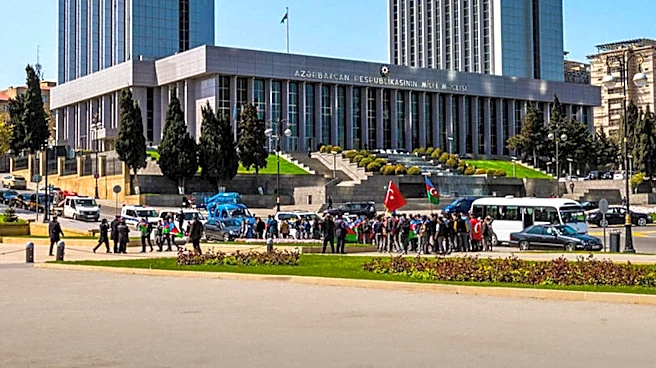
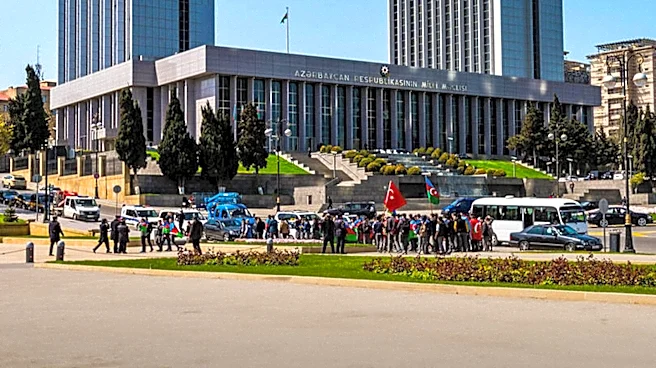
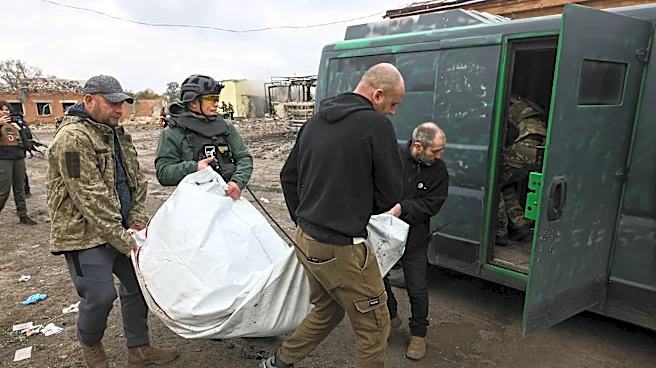
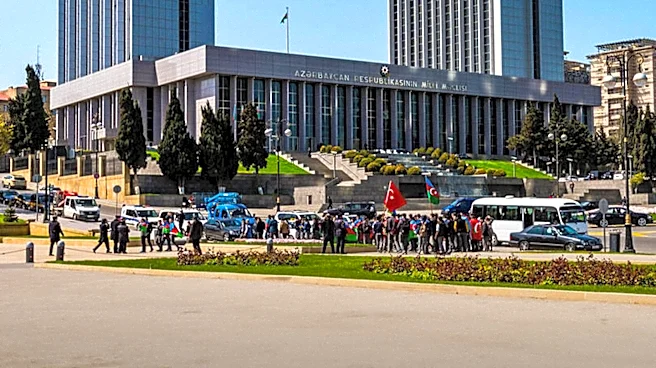
The breakaway republic of Artsakh has been officially dissolved, leading to the de facto reintegration of Nagorno-Karabakh into Azerbaijan. This follows military operations in 2020 and September 2023, which resulted in significant territorial gains for
Azerbaijan and the exodus of over 100,000 Armenians from the region. A peace agreement between Armenia and Azerbaijan has been initialed but is not yet in force. Article XV of this agreement stipulates the mutual withdrawal of interstate claims and proceedings concerning matters that existed before its signing. This raises questions about the legal avenues available to individuals displaced from Nagorno-Karabakh and residents of Armenian border villages where Azerbaijani troops remain. While individuals cannot be parties before the International Court of Justice, individual applications to the European Court of Human Rights (ECtHR) remain a realistic avenue, with over a thousand such applications related to the conflict already pending. Some national courts in third countries, such as a German administrative court, have recognized refugees from Nagorno-Karabakh as stateless and granted them refugee status.
Why It's Important?
The reintegration of Nagorno-Karabakh into Azerbaijan marks a significant shift in the geopolitical landscape of the South Caucasus, effectively ending a long-standing 'frozen' conflict. For the U.S. and international community, this development underscores the fragility of peace agreements and the complex challenges of protecting human rights and ensuring the safe return of displaced populations. The legal implications of the peace agreement, particularly the withdrawal of interstate claims, could set precedents for how similar conflicts are resolved globally. The reliance on individual legal avenues, such as the ECtHR, highlights the limitations of state-level diplomacy in addressing personal grievances and property rights in post-conflict scenarios. The recognition of Nagorno-Karabakh refugees as stateless by some national courts also brings to light the critical need for international legal frameworks to address the status of populations displaced by territorial disputes, ensuring they receive protection and status.
What's Next?
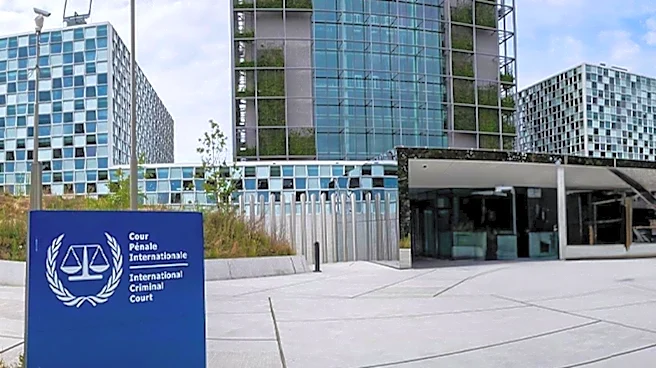
The peace agreement between Armenia and Azerbaijan is not yet in force, and its implementation, particularly regarding the withdrawal of interstate claims, will be a critical next step. If the agreement enters into force, it will close major judicial channels for state-level claims concerning Artsakh and occupied areas of Armenia. However, individual applications to the ECtHR will remain available to affected persons, and communications can still be sent to the International Criminal Court (ICC), though the Prosecutor decides whether to open an investigation. The ongoing delimitation commissions between Armenia and Azerbaijan will continue to address border issues, with the timetable and sequencing largely undisclosed. The debate over whether the current course serves Armenia's interests will persist, with some viewing it as a path to lasting peace and others as a concession while occupation continues. The international community will likely monitor the human rights situation and the return of displaced persons closely.
Beyond the Headlines
The situation in Nagorno-Karabakh extends beyond immediate legal and political considerations, touching upon profound ethical and cultural dimensions. The displacement of over 100,000 Armenians and the dissolution of Artsakh represent a significant cultural and historical loss for the Armenian people, raising questions about the preservation of heritage and identity in the region. The differing interpretations of the conflict—Azerbaijan viewing it as a restoration of sovereign control and others highlighting issues of deportation and persecution—underscore the deep-seated narratives that fuel such disputes. The effectiveness of international legal bodies in providing justice for individuals when state-level claims are withdrawn will be a crucial test of international law. This scenario also highlights the long-term psychological and social impacts on displaced communities, who face the challenge of rebuilding their lives and maintaining their cultural ties in new environments, often with limited legal recourse.