




What's Happening?
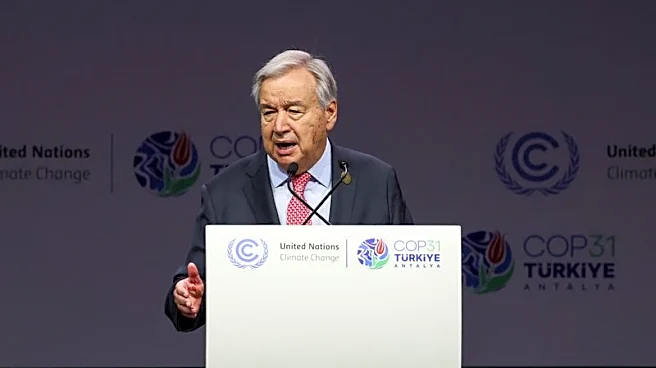
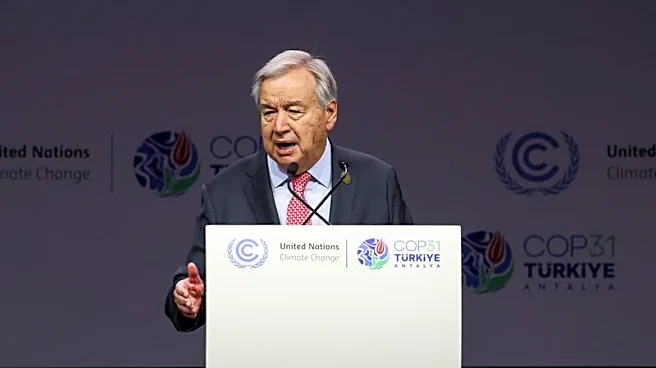
The New York State Energy Research and Development Authority (NYSERDA) and the Danish Ministry of Climate, Energy and Utilities have announced an expanded cooperative agreement. This collaboration, unveiled at the 2026 United Nations Climate Change Conference
(COP31) in Antalya, Turkey, aims to advance renewable energy and energy efficiency solutions. The agreement builds on a decade-long working relationship and focuses on several key areas: growing thermal energy networks, enhancing energy efficiency, improving demand flexibility, and developing innovative fuels. Specific initiatives include exploring the viability of district heating in New York, utilizing excess heat from industrial facilities, and implementing heat storage solutions. The partnership also seeks to establish regulatory frameworks for increased adoption of energy efficiency technologies across various sectors and to share best practices for accelerating the production and deployment of alternative fuels. NYSERDA President and CEO Doreen M. Harris emphasized that this expanded agreement will help New York reduce its reliance on fossil fuels and foster a sustainable energy future.
Why It's Important?
This expanded agreement is significant for New York State as it directly supports Governor Hochul’s clean energy goals and the state's broader energy transition. By collaborating with Denmark, a leader in renewable energy, New York gains access to advanced expertise and proven strategies for decarbonization. The focus on thermal energy networks and innovative fuels addresses challenging sectors, such as heavy-duty transportation and industrial processes, which are difficult to electrify. Reducing reliance on fossil fuels is crucial for mitigating climate change, improving air quality, and enhancing energy security by making the state less vulnerable to volatile global energy prices. The partnership also aims to create economic growth and jobs within the clean energy sector, providing tangible benefits to New Yorkers. This international cooperation serves as a model for other U.S. states seeking to accelerate their clean energy transitions and achieve ambitious climate targets.
What's Next?
The expanded cooperative agreement will lead to continued information sharing, research, and the implementation of best practices between NYSERDA and the Danish Energy Ministry. Future steps will involve detailed planning and coordination for long-term energy system flexibility in New York State and Denmark. The collaboration is expected to result in the development of new clean energy and energy efficiency strategies tailored to New York's specific needs. This includes exploring regulatory frameworks to encourage wider adoption of energy-saving technologies and sharing approaches for fuel system planning to ensure reliable energy services during the transition away from fossil fuels. The success of these initiatives will likely be monitored, and outcomes could influence future policy decisions and investment in clean energy infrastructure within New York and potentially inspire similar partnerships across the United States.
Beyond the Headlines
This collaboration highlights a growing trend of sub-national entities, like New York State, forging international partnerships to address global challenges such as climate change. While national governments often lead climate negotiations, direct cooperation between states and foreign ministries demonstrates a pragmatic approach to achieving specific environmental and economic objectives. The agreement underscores the recognition that climate action requires diverse solutions, including technological innovation, policy development, and cross-border knowledge exchange. It also implicitly acknowledges that energy security and economic resilience are increasingly intertwined with the transition to clean energy, moving beyond purely environmental motivations. This type of partnership can foster a more robust and diversified energy landscape, reducing geopolitical risks associated with fossil fuel dependency and promoting a more sustainable global economy.