




What's Happening?
The International Atomic Energy Agency (IAEA), in collaboration with scientific experts from 65 countries, has officially launched the “NUTEC Plastics Global Marine Monitoring Platform.” This online repository aims to consolidate research findings from a global
network of laboratories to enhance international cooperation and knowledge sharing regarding the abundance and trends of microplastics in coastal and marine zones. The platform utilizes advanced tools like vibrational spectroscopy (ATR-FTIR) for accurate chemical analysis of plastic particles, and the IAEA has trained over 400 experts and provided equipment to more than 80 countries to establish standardized sampling and data analysis protocols. Thailand's Office of Atoms for Peace (OAP), a key partner, proposes that IAEA Member States and the United Nations endorse the NUTEC Plastics platform's data as the global standard database for the Global Plastics Treaty negotiations.
Why It's Important?
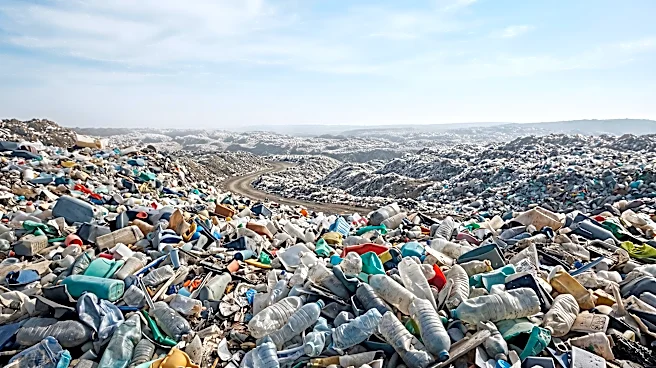
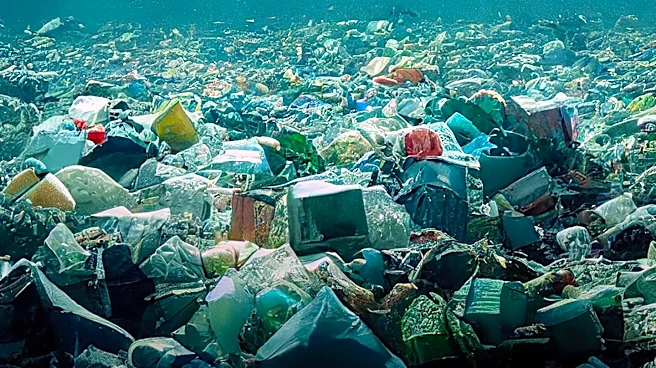
Plastic pollution is a critical environmental crisis, with an estimated 19 to 23 million tonnes of plastic waste entering marine ecosystems annually, degrading into microplastics that infiltrate water, soil, and living organisms. The NUTEC Plastics platform is vital because it addresses the lack of a unified scientific baseline, which is essential for setting concrete and effective targets in global plastics treaty negotiations. By standardizing data collection and analysis, the platform ensures that all nations can work from a common, reliable scientific foundation. This initiative is crucial for developing countries, as it includes enhanced technology transfer and capacity building, bridging the technological divide in environmental monitoring. The proposal for regional hubs, with Thailand offering to serve as one for Southeast Asia, will streamline operations and tailor efforts to specific regional contexts, making the global response more efficient and equitable. This scientific rigor is indispensable for translating data into science-based actions, such as waste management policies and bans on single-use plastics.
What's Next?
Thailand's OAP is actively proposing that IAEA Member States and the United Nations officially endorse the NUTEC Plastics platform's data as the global standard for the Global Plastics Treaty negotiations. This endorsement would provide a unified scientific baseline for setting concrete targets for reducing marine plastic discharges. Further steps include advocating for enhanced technology transfer, where developed nations and international organizations would increase funding and provide advanced equipment and marine sampling kits to developing countries. The establishment of 'Regional Nodes' for microplastic monitoring networks is also proposed, with Thailand prepared to serve as a regional hub for data collection and analysis in Southeast Asia. The ultimate goal is to ensure that scientific data from the platform directly informs and enforces at-source waste management policies, single-use plastic bans, and the development of alternative materials, translating scientific findings into sustainable, long-lasting solutions.
Beyond the Headlines
The launch of the NUTEC Plastics platform signifies a broader shift in environmental governance, emphasizing the critical role of scientific data and international collaboration in addressing complex global challenges. It highlights how nuclear science and technology, often associated with energy, are increasingly being applied to environmental protection. The initiative also underscores the importance of 'open science' and data integration, promoting transparency and shared knowledge across borders. The push for standardized protocols and technology transfer addresses historical disparities in scientific capacity between developed and developing nations, fostering a more equitable global response to pollution. This platform could serve as a model for other international environmental agreements, demonstrating how a robust scientific foundation can strengthen policy-making and ensure accountability. It also implicitly challenges the notion that environmental action is solely a political or economic issue, asserting the indispensable role of scientific consensus and evidence-based decision-making.