





What's Happening?
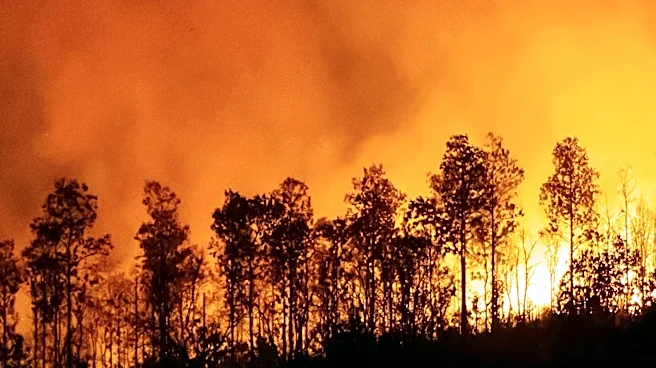
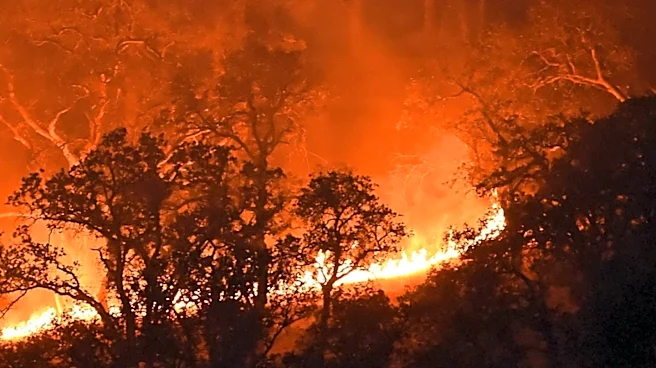
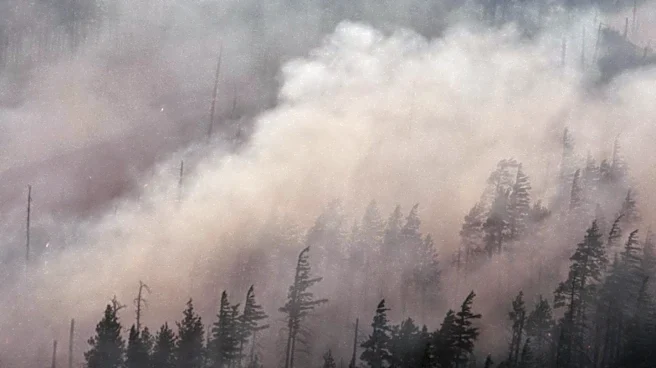
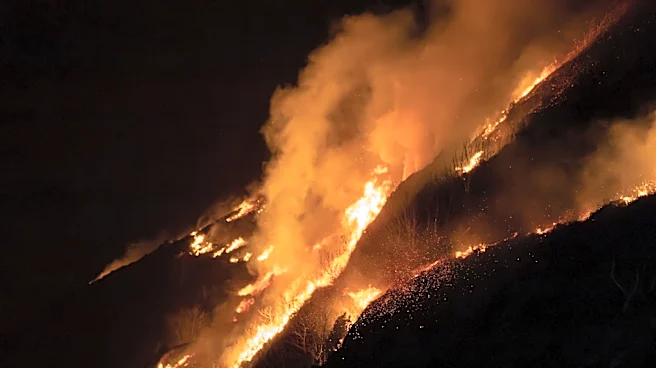
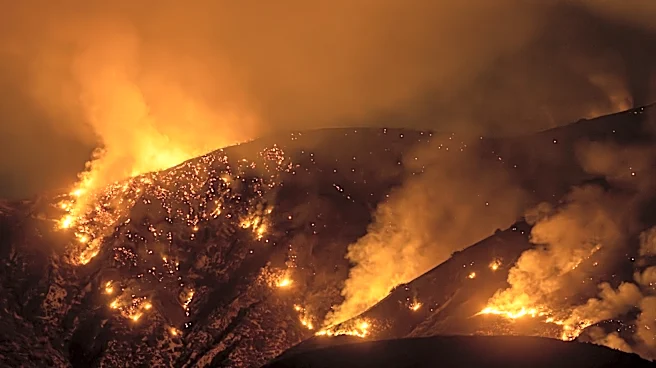
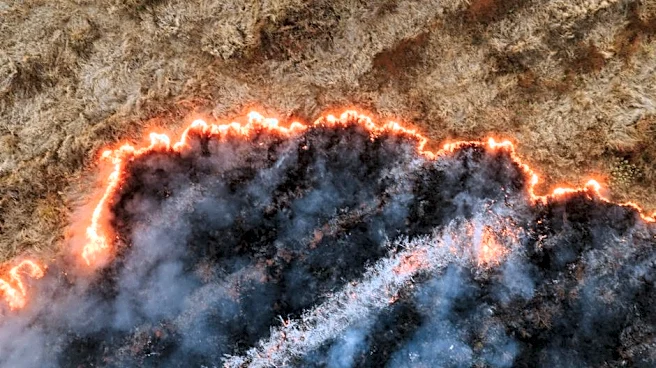
The Cottonwood Fire, currently the largest wildfire in the United States, is rapidly spreading through Utah's deep canyons and steep mountainsides, severely affecting the region's landscape. The fire has already caused significant damage to the Eagle
Point ski resort and destroyed several summer cabins in Beaver County. In response to the escalating situation, Utah Governor Spencer Cox has declared an emergency and called for prayers for the firefighters and much-needed rain. The fire has prompted the closure of campgrounds in Fishlake National Forest and other public lands as a precaution. Firefighters are battling the blaze under challenging conditions, with critical fire weather characterized by low humidity, warm temperatures, and gusty winds exacerbating the situation. The fire has grown to over 144 square miles, and approximately 1,300 residents in nearby towns have been advised to prepare for potential evacuations.
Why It's Important?
The Cottonwood Fire highlights the increasing severity of wildfire seasons in the western United States, driven by climate conditions such as record-low snowpack and unusually warm winters. The fire's rapid spread and the resulting emergency declaration underscore the strain on Utah's firefighting resources and the broader implications for public safety and environmental health. The situation also raises concerns about human-caused fires, which have been a significant factor in this year's wildfire incidents. The fire's impact on local communities, tourism, and natural resources is profound, with potential long-term consequences for the region's economy and ecosystem. The state's decision to restrict fireworks further emphasizes the critical need for preventive measures to mitigate wildfire risks.
What's Next?
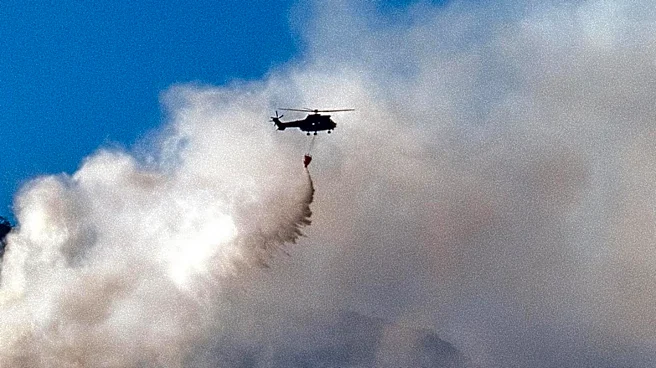
Firefighters are continuing their efforts to contain the Cottonwood Fire, utilizing air tankers and helicopters to combat the flames before worsening weather conditions hinder their progress. The state has implemented fireworks restrictions to prevent additional fires, and residents in affected areas remain on high alert for possible evacuations. As the fire season progresses, Utah and other western states may face similar challenges, necessitating coordinated efforts to manage resources and protect communities. The ongoing situation may prompt further policy discussions on wildfire prevention and response strategies, as well as the role of climate change in exacerbating fire risks.
Beyond the Headlines
The Cottonwood Fire serves as a stark reminder of the broader environmental challenges posed by climate change, particularly in regions prone to wildfires. The increasing frequency and intensity of such fires highlight the need for comprehensive strategies to address climate resilience and adaptation. Additionally, the fire's impact on local tourism and recreation underscores the economic vulnerabilities of communities dependent on natural attractions. The situation also raises ethical considerations regarding land management practices and the balance between development and conservation in fire-prone areas.