







What's Happening?
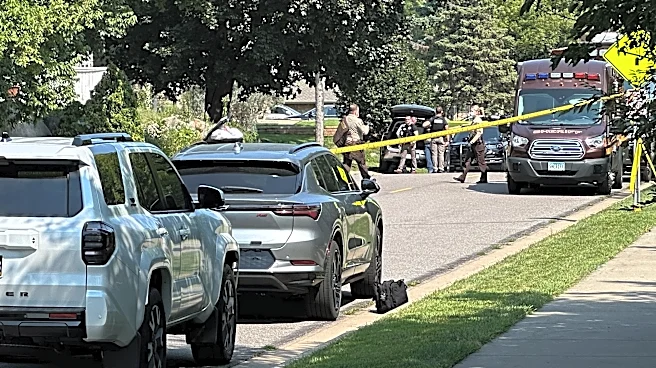
Nathan Brown, 41, fatally stabbed his wife, Kristen Brown, also 41, and their 7-year-old daughter, Evie Brown, inside a home daycare in Hopkins, Minnesota, on a Wednesday morning. Following the stabbings, Nathan Brown took his own life by shooting himself
in an upstairs closet. Kristen Brown operated the daycare from the basement of their family home. The tragic events unfolded while six other children were present at the daycare; however, authorities confirmed that none of these children sustained physical harm. According to police records, a father dropping off his own children witnessed part of the attack, initially mistaking Nathan Brown's actions for CPR before realizing the severity of the situation. He promptly called 911 and fled with his children and two others. Investigators also believe Nathan Brown was responsible for the death of a 78-year-old relative at her home in Burnsville, approximately 20 miles from Hopkins, where he had recently resided. The identity of this relative and the exact circumstances of her death have not yet been released. According to a search warrant obtained by The Associated Press, Kristen Brown had recently informed parents of the daycare's impending closure, citing "relationship issues with Nathan." Hopkins police are continuing their investigation into the incident and have not yet disclosed a motive for the killings. Authorities noted there was no prior history of police calls to the Hopkins address.
Why It's Important?
This tragic murder-suicide in a Minnesota daycare underscores the devastating and far-reaching consequences of domestic violence, particularly when it escalates to such extreme levels. The incident highlights the critical need for increased awareness and intervention strategies for individuals experiencing severe relationship issues, as the victim, Kristen Brown, had already indicated "relationship issues" leading to the daycare's impending closure. This pre-existing context suggests a potential for escalation that went unaddressed, emphasizing the importance of recognizing warning signs. The presence of six other children during the attack, though physically unharmed, raises significant concerns about the psychological trauma inflicted upon young witnesses and the broader community's sense of safety, especially regarding home-based childcare facilities. While the violence stemmed from a domestic dispute, it inevitably impacts the perception of security in environments where children are cared for. Furthermore, the alleged murder of a 78-year-old relative in a separate location suggests a broader pattern of violence, emphasizing the complex and destructive nature of the perpetrator's actions. This event serves as a stark reminder of the hidden dangers of domestic conflict and its potential to shatter lives and communities, prompting reflection on how such tragedies might be prevented.
What's Next?
The immediate next steps involve the ongoing investigation by Hopkins police, who are working diligently to piece together the full timeline of events, establish a definitive motive for the killings, and formally identify the 78-year-old relative found deceased in Burnsville. This comprehensive investigation will aim to clarify the circumstances surrounding all three deaths attributed to Nathan Brown, including how the violence escalated and whether any prior indicators were missed. Concurrently, the community will face the challenging task of processing this profound tragedy. Support services will likely be crucial for the children who were present at the daycare during the attack, as well as for their families and the wider community grappling with the shock and grief. These services will focus on addressing potential psychological trauma and fostering healing. While the incident appears to be a domestic matter, there may be broader discussions or reviews regarding safety protocols and support systems for home-based childcare operations, even if the direct cause was not related to daycare operations themselves. The legal process will also involve the formal closure of the cases once the investigations are complete and all victims are identified, bringing a measure of finality to the official proceedings.
Beyond the Headlines
This tragedy extends beyond the immediate headlines by exposing the often-hidden and complex nature of domestic violence, which can escalate to catastrophic levels without overt signs of prior police intervention, as indicated by the lack of calls to the Hopkins address. It highlights the critical challenge of identifying and addressing severe relationship issues before they manifest in extreme violence. The incident also brings to light the profound vulnerability of children caught in the crossfire of domestic disputes, even when they are not the direct targets. Their presence during such a horrific event can leave lasting psychological scars, prompting a deeper societal reflection on child protection in volatile home environments. Furthermore, the pre-emptive closure of the daycare due to "relationship issues" serves as a stark, tragic premonition, emphasizing the importance of taking such warnings seriously and providing accessible support for individuals experiencing domestic conflict. This event calls for a broader examination of community resources, mental health support, and intervention strategies to prevent similar future tragedies.