
What's Happening?
China is actively engaging in diplomatic efforts to address the ongoing war with Iran, proposing a five-point plan in collaboration with Pakistan. This initiative aims to rally support from Gulf countries
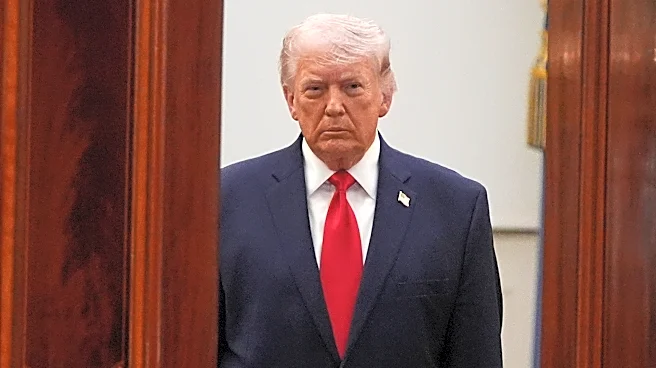
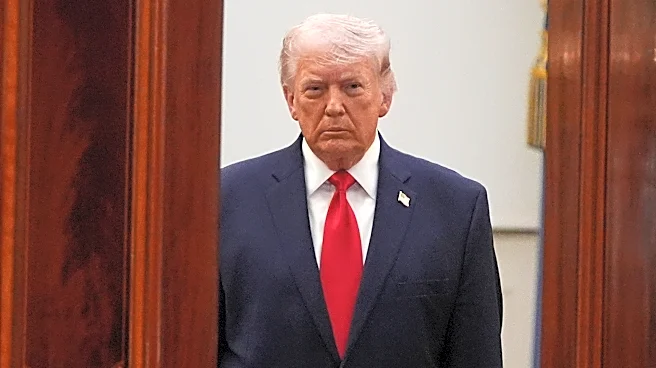
and opposes a United Nations proposal to use force to open the Strait of Hormuz. Despite these efforts, the U.S. appears uninterested in China's mediation attempts. Analysts suggest that China's actions are more about projecting a narrative of responsible leadership rather than substantive mediation. The Trump administration remains skeptical of China's intentions, viewing them as performative rather than genuine attempts at conflict resolution.
Why It's Important?
China's involvement in the Iran conflict highlights its ambition to play a more significant role in global diplomacy, challenging U.S. influence in the region. This move could shift geopolitical dynamics, especially if China succeeds in positioning itself as a peace broker. However, the U.S. remains wary of China's intentions, potentially leading to increased tensions between the two powers. The outcome of China's diplomatic efforts could impact global energy markets, given the strategic importance of the Strait of Hormuz for oil transportation.
What's Next?
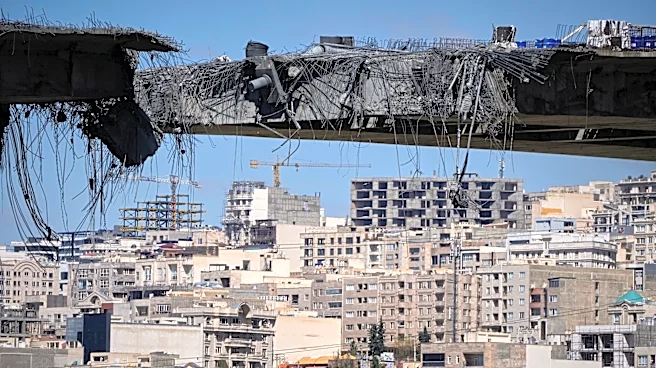
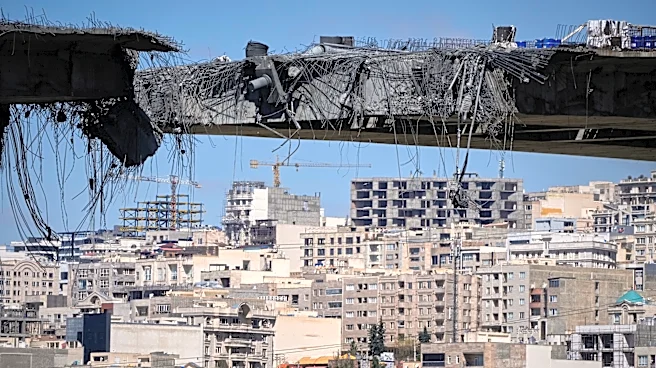
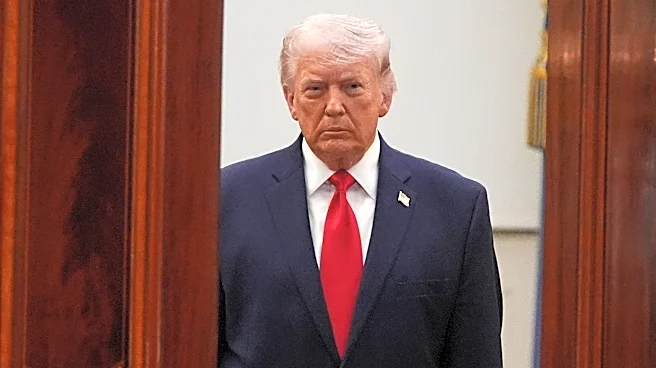
The U.S. administration's response to China's diplomatic efforts remains uncertain, with potential implications for future U.S.-China relations. President Trump's upcoming summit with Chinese President Xi Jinping may influence the U.S. stance. Meanwhile, China's continued engagement with regional players could either bolster its diplomatic standing or expose it to criticism if perceived as ineffective. The situation in the Strait of Hormuz remains volatile, with potential for further escalation if diplomatic solutions are not reached.