



What's Happening?
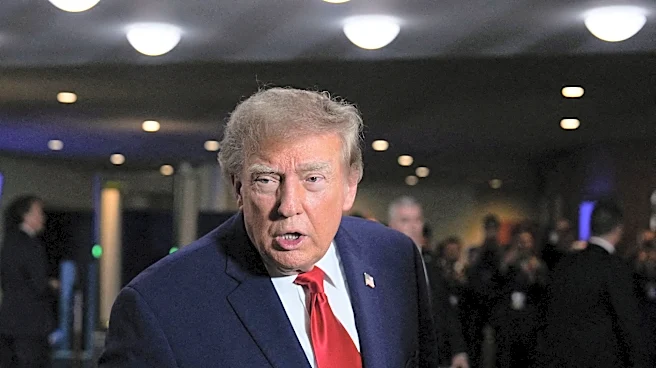
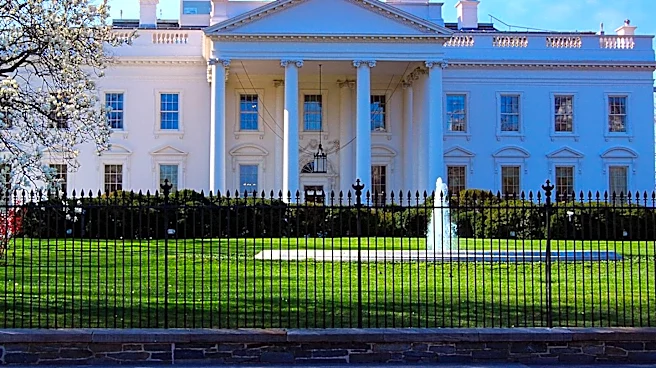
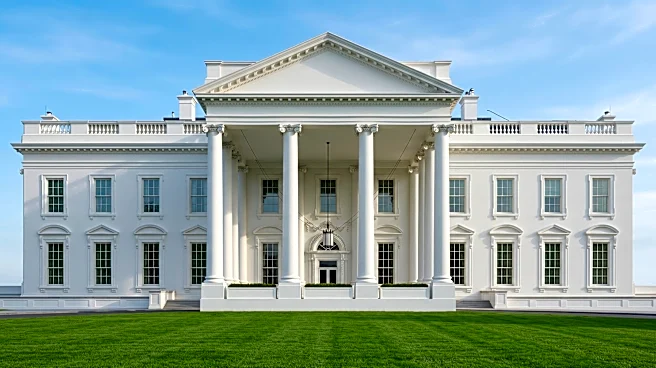
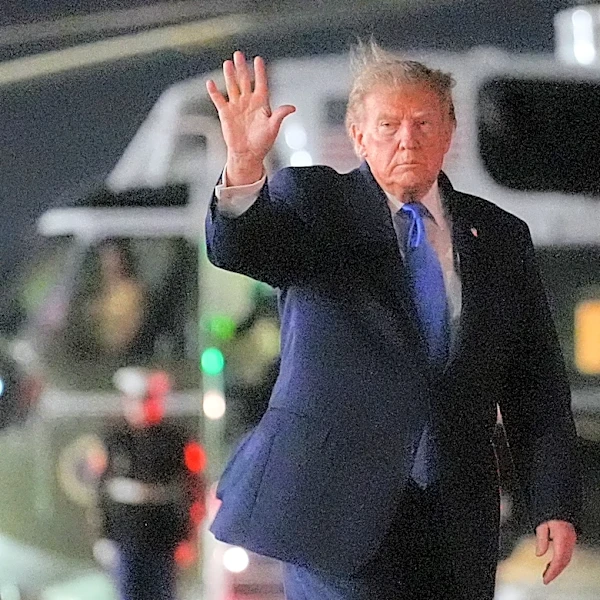
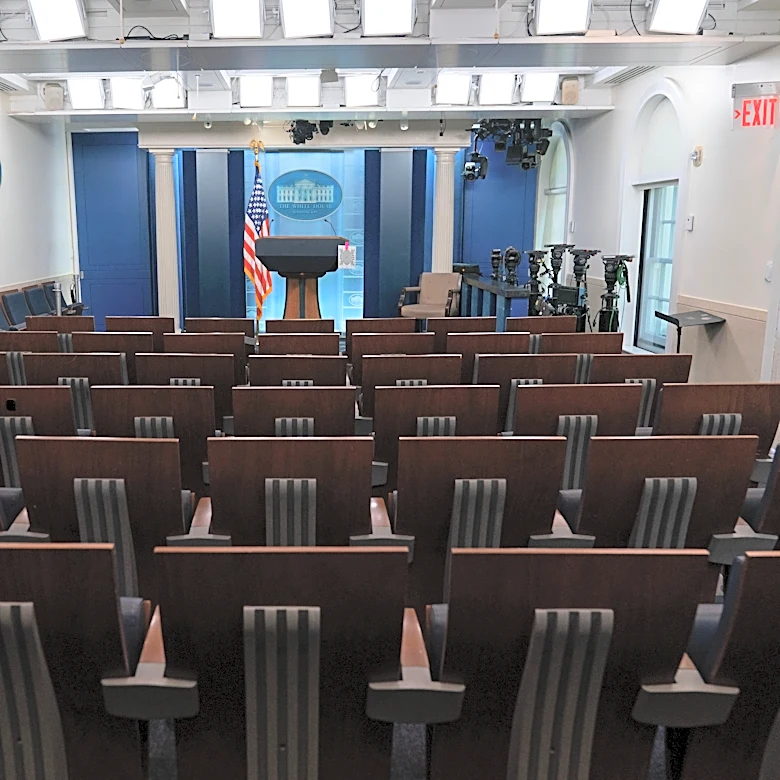
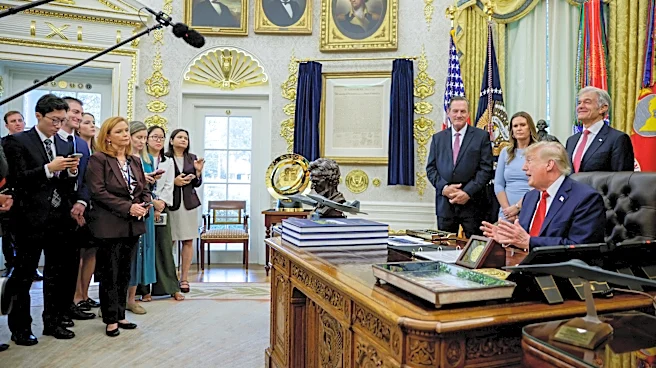
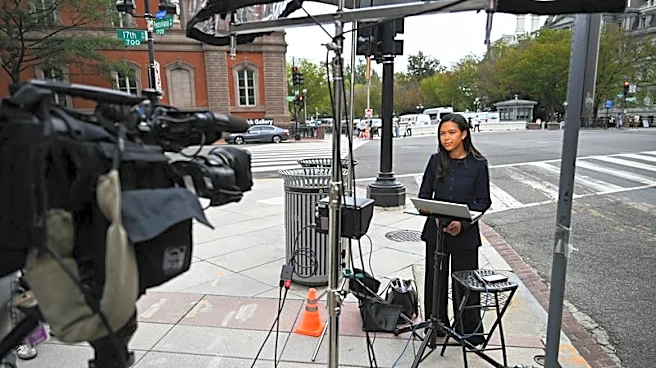
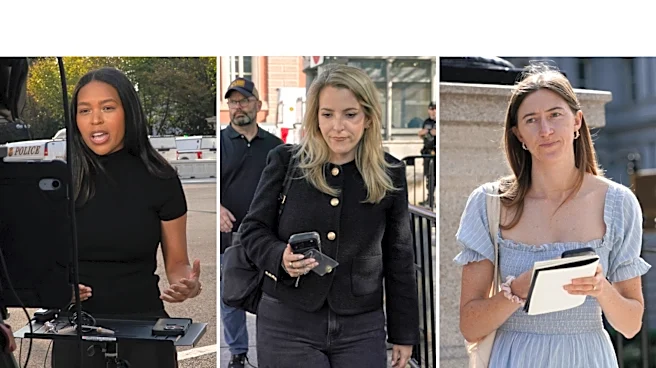
The Department of Justice (DOJ) has defended President Trump's decision to revoke White House press credentials for CNN, MS Now, and Politico. In a court filing, the DOJ argued that these media outlets jeopardized national security and spread falsehoods
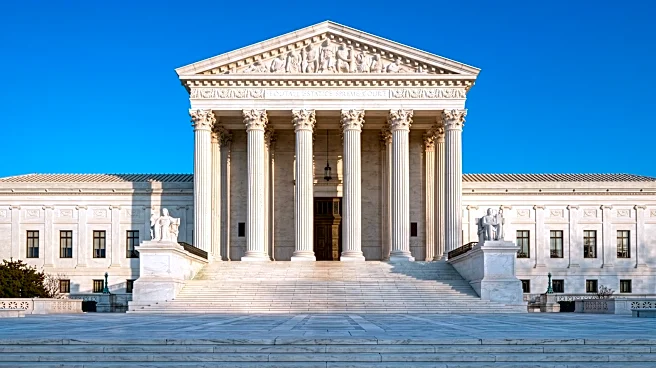
through their reporting on various issues, including White House ballroom construction, ammunition depletion during the Iran war, and the Republican midterm convention. The DOJ's response came in anticipation of an emergency federal court session in Washington, D.C., scheduled to address a lawsuit filed by the three media organizations. The lawsuit alleges that President Trump's actions violate their First and Fifth Amendment rights, asserting that the ban is a direct assault on constitutional principles. The White House, in letters dated September 22, accused the outlets of "trafficking in verifiable falsehoods about national security and other issues, and publishing sensitive or classified information." The DOJ maintains that access to the White House is a privilege, not a right, and that the President concluded the outlets failed to meet basic standards of professionalism and decorum.
Why It's Important?
This case is a significant test of First Amendment protections under the Trump administration and has broad implications for press freedom and the relationship between the executive branch and the media in the U.S. The DOJ's argument that White House access is a privilege rather than a right challenges established norms regarding the press's role in covering the presidency. If the court sides with the administration, it could set a precedent allowing future administrations to more easily restrict access for news organizations deemed critical or unreliable, potentially limiting the public's access to diverse information. Conversely, a ruling in favor of the media outlets would reinforce the constitutional protections afforded to the press, underscoring their role as a check on government power. The outcome will influence how journalists operate within the White House and could shape future legal battles concerning media access and government transparency.
What's Next?
An emergency session by the federal court in Washington, D.C., is scheduled to hear the case. The court will consider the arguments presented by both the Department of Justice and the three media organizations. The White House has set a Friday deadline for the banned media outlets to submit written complaints to contest President Trump's decision. The legal proceedings will determine whether the media ban constitutes a violation of constitutional rights. Depending on the court's decision, there could be immediate implications for the access of CNN, MS Now, and Politico to the White House. The case may also lead to appeals, potentially escalating to higher courts, further prolonging the legal battle and its impact on press freedom.
Beyond the Headlines
Beyond the immediate legal and political ramifications, this dispute highlights a deeper tension between the executive branch and the press, particularly concerning what constitutes 'truth' and 'national security' in public discourse. The administration's accusations of 'falsehoods' and 'sensitive information' raise questions about the criteria used to evaluate journalistic integrity and the potential for such claims to be used to silence critical reporting. This situation could contribute to a climate of distrust between the government and media, potentially impacting public perception of both institutions. The case also touches upon the evolving nature of information dissemination in the digital age, where the line between legitimate journalism and misinformation can be blurred, and the role of the judiciary in arbitrating these complex issues becomes increasingly crucial for maintaining a healthy democracy.